flightchecklist.appFocus mode active
MSFS 2024 · Airliner
McDonnell Douglas MD-11 Startup Checklist
Related Aircraft
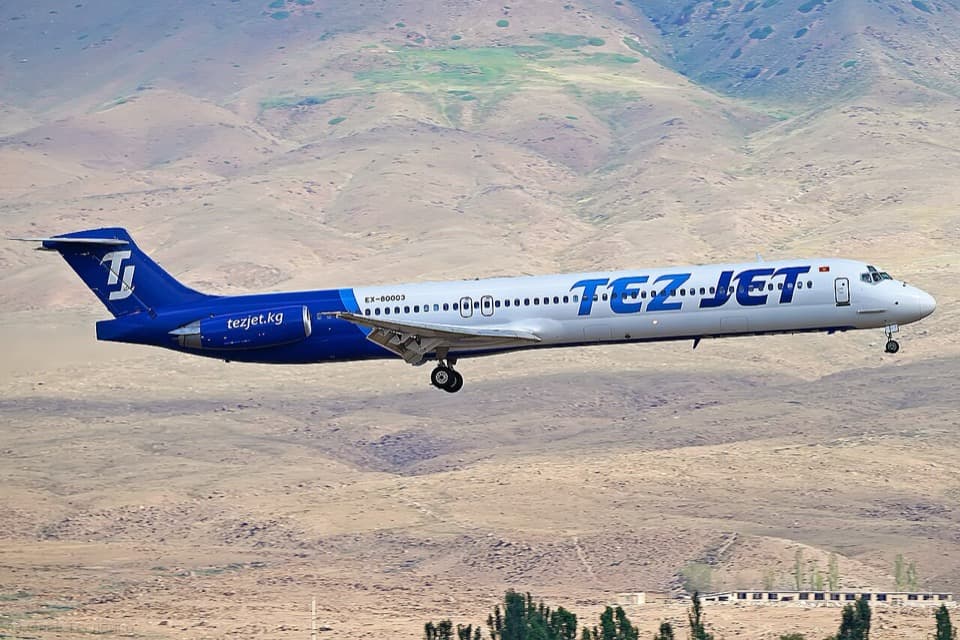
Pilot Tools for This Flight
FLIGHT2.22.0Checklist
McDonnell Douglas MD-11MSFS 2024 · Startup Checklist · 182 steps · 18 phases
PHS 1 - Pre-Flight Planning12 steps
| 01 | Weather Briefing (METAR / TAF / SIGMET)REVIEWED | |
| 02 | Alternate AirportsSELECTED | |
| 03 | NOTAMsREVIEWED | |
| 04 | OFP / Flight PlanFILED | |
| 05 | Block FuelCALCULATED | |
| 06 | Weight and Balance / LoadsheetWITHIN LIMITSNOTE: Passenger MD-11 certificated maxima: takeoff 610,000 lb (618,000, 625,500 or 630,500 lb with the applicable service bulletins), taxi and ramp 613,000 to 633,000 lb, landing 458,000 lb, zero fuel 430,000 lb. The MD-11F freighter is certificated to a higher landing weight (471,500 to 491,500 lb) and zero fuel weight (451,300 to 461,300 lb). All weight above the zero fuel weight must be fuel. | |
| 07 | Center of Gravity (percent MAC)VERIFIEDNOTE: The MD-11 uses a fuel-carrying horizontal stabilizer for cruise CG control, so planned CG drives both the takeoff trim setting and the fuel schedule. | |
| 08 | Takeoff / Landing Wind LimitsCHECKEDNOTE: Maximum rolling takeoff or landing crosswind 31 knots. Maximum takeoff or landing tailwind 10 knots. Maximum crosswind with poor runway braking action 10 knots. Autoland crosswind 15 knots, autoland headwind 25 knots. CAT II/III crosswind 10 knots. | |
| 09 | SID / STAR / ApproachBRIEFEDNOTE: The MD-11 is aircraft approach category D. | |
| 10 | MEL / CDL CheckREVIEWEDNOTE: Dispatch is not permitted with the anti-skid system inoperative. Standard (reduced) takeoff thrust is not authorized with anti-skid inoperative, a wet, cluttered or icy runway, windshear, any wheelbrake inoperative, engine anti-ice on at airport pressure altitudes above 6,000 feet, or where noise abatement requires maximum takeoff thrust. | |
| 11 | Takeoff Performance / V-SpeedsCALCULATEDNOTE: Entered later at the FMS/TAKEOFF DATA item on the Before Start checklist, once paperwork is received. | |
| 12 | Cruise AltitudeWITHIN LIMITSNOTE: Maximum operating altitude 43,200 feet. VMO is 350 KCAS at sea level and 365 KCAS from 10,000 to 25,670 feet; above 25,670 feet MMO is Mach 0.87. |
PHS 2 - Cockpit Preparation32 steps
| 01 | Emergency EquipmentCHECKEDNOTE: The Cockpit Preparation checklist is accomplished silently by the pilot not flying. | |
| 02 | ClockSET | |
| 03 | IRSNAV | |
| 04 | Cargo Fire TestCHECKED | |
| 05 | Voice RecorderCHECKED | |
| 06 | Cargo TemperatureAS REQUIRED | |
| 07 | Forward Aux Tanks (if required)CHECKED | |
| 08 | IgnitionCHECKED | |
| 09 | Fire Handles / Discharge LightsCHECKED | |
| 10 | Hydraulic PanelAUTO OR MANUAL | |
| 11 | Electrical PanelAUTO OR MANUAL | |
| 12 | Emergency Power SelectorARM | |
| 13 | Air PanelAUTO OR MANUAL | |
| 14 | Fuel PanelAUTO OR MANUAL | |
| 15 | Engine / APU Fire TestCHECKED | |
| 16 | GPWS TestCHECKED | |
| 17 | Evac Signal SwitchARM | |
| 18 | AFS Control PanelAUTO | |
| 19 | PressurizationAUTO | |
| 20 | Wing / Tail / Engine Anti-IceOFF | |
| 21 | Windshield DefogON | |
| 22 | Fuel Used ResetRESET | |
| 23 | Emergency LightsCHECKED / ARMED | |
| 24 | Landing GearDOWN / 4 GREEN | |
| 25 | Anti-SkidON | |
| 26 | SpoilersRETRACT | |
| 27 | ThrottlesCHECKED / IDLE | |
| 28 | Flaps / SlatsUP / RETRACT | |
| 29 | Fuel SwitchesOFF | |
| 30 | Oil QuantityCHECKED | |
| 31 | ACARS InfoINITIALIZED | |
| 32 | ADG Release HandleSAFETIED |
PHS 3 - Before Start28 steps
| 01 | Exterior Preflight / Cockpit Prep / Interior PreflightCOMPLETE | |
| 02 | Log BookCHECKED | |
| 03 | Circuit BreakersCHECKED | |
| 04 | IRS / FMSNAV / INITIALIZED / CHECKED | |
| 05 | No Smoking / Seat BeltsON | |
| 06 | Exterior LightsAS REQUIRED | |
| 07 | Glareshield Control PanelSET | |
| 08 | Oxygen Mask / Regulator / InterphoneCHECKED | |
| 09 | Source Input Selector PanelsSET | |
| 10 | Static Air SwitchesNORMAL | |
| 11 | Standby InstrumentsCHECKED | |
| 12 | Flight Instruments / Display UnitsCHECKED | |
| 13 | Parking BrakeAS REQUIRED | |
| 14 | System DisplayCHECKED | |
| 15 | RadiosCHECKED | |
| 16 | RadarCHECKED / TEST | |
| 17 | Transponder / TCASTEST / TA / RA | |
| 18 | Rudder / Aileron TrimZERO | |
| 19 | Cockpit WindowsOVER CENTER AND LOCKED | |
| 20 | Flight Attendant BriefingCOMPLETE | |
| 21 | Departure BriefingCOMPLETE | |
| 22 | Fuel RequiredON BOARDNOTE: This item begins the After Paperwork Received section of the Before Start checklist. | |
| 23 | Passenger LoadENTERED | |
| 24 | ACARS InfoENTERED | |
| 25 | FMS / Takeoff DataENTERED | |
| 26 | Flap T/O SelectorSET | |
| 27 | IRSTAXI | |
| 28 | EAD (Engine and Alert Display)CHECKED |
PHS 4 - Pushback / Start5 steps
| 01 | Door AlertsCHECKED | |
| 02 | Parking BrakeAS REQUIRED | |
| 03 | Aux Hyd Pump 1ON | |
| 04 | BeaconON | |
| 05 | IgnitionA OR B |
PHS 5 - After Start6 steps
| 01 | Engine Anti-IceAS REQUIREDNOTE: Wing, tail and engine anti-ice should be on whenever an ICE DETECTED alert is displayed or when icing conditions are expected. | |
| 02 | AutobrakesT/O | |
| 03 | Hyd SysMANUALNOTE: Applies only if taxiing with less than all engines operating. | |
| 04 | APU Air SwitchOFFNOTE: This item and the two that follow apply if two engines are running. | |
| 05 | APU Elec SwitchOFF | |
| 06 | APUVERIFY OFF |
PHS 6 - Taxi7 steps
| 01 | Flaps / SlatsFLAPS SET | |
| 02 | SpoilersARMED | |
| 03 | Stab TrimSET | |
| 04 | Flight ControlsTOPS / BOTTOMS | |
| 05 | AltimetersSET / CROSS-CHECKED | |
| 06 | Flight / Nav InstrumentsSET / CROSS-CHECKED | |
| 07 | Shoulder HarnessON |
PHS 7 - Delayed Start6 steps
| 01 | Hyd SysAUTONOTE: The Delayed Start checklist is used only when an engine start is deferred. This item and the next are accomplished before the delayed start. | |
| 02 | ECONOFF | |
| 03 | Engine Anti-IceAS REQUIREDNOTE: This item and the three that follow are accomplished after the delayed start. | |
| 04 | ECONON | |
| 05 | APU Air SwitchOFF | |
| 06 | APUVERIFY OFF |
PHS 8 - Before Takeoff8 steps
| 01 | Auto Flight / NAVON / AS REQUIRED | |
| 02 | Flaps / SlatsFLAPS SET | |
| 03 | Flight AttendantsNOTIFIED / ACKNOWLEDGED | |
| 04 | Cockpit DoorCLOSED | |
| 05 | Takeoff BriefingCOMPLETE | |
| 06 | Wing and Tail Anti-IceAS REQUIRED | |
| 07 | EADCHECKED / GREEN BOX | |
| 08 | Exterior LightsAS REQUIREDNOTE: Final item of the Before Takeoff checklist. |
PHS 9 - Takeoff5 steps
| 01 | Takeoff Power (GE N1 or PW EPR)SET BY 80 KIASNOTE: After 80 KIAS do not adjust the throttles except to prevent exceeding engine limits. | |
| 02 | Engine InstrumentsCHECK PROPER INDICATIONS EARLY IN THE TAKEOFF ROLLCAUTION: On a slippery runway maintain heading during a rolling takeoff by using small rudder pedal steering inputs. Nose gear steering of 3 deg or more may cause the nose gear to slip on an icy or wet runway. Do not use differential thrust.NOTE: On a contaminated runway, release the parking brakes before setting takeoff power, advance the throttles to approximately 70 percent N1, verify symmetrical thrust, then continue with normal takeoff procedures. | |
| 03 | Rotation2.5 DEG PER SECOND TO APPROXIMATELY 15 DEG PITCHCAUTION: The aft fuselage will contact the runway at approximately 10 deg of pitch attitude with the struts compressed.NOTE: Recommended rotation technique. A two step or segmented rotation is not appropriate and will significantly impact takeoff performance. | |
| 04 | Flight Director pitch barFOLLOW AFTER NOSE GEAR STRUT EXTENSIONNOTE: The Flight Director pitch bar is not usable until approximately five seconds after nose gear strut extension. | |
| 05 | Positive rate of climbCONFIRMED |
PHS 10 - After Takeoff5 steps
| 01 | Landing GearUPNOTE: VLO retraction 230 KCAS to Mach 0.70. | |
| 02 | Flaps / SlatsUP / RETRACT | |
| 03 | SpoilersDISARM | |
| 04 | AutobrakesOFF | |
| 05 | Altimeters (Transition Altitude)29.92 (1013) SET / CROSS-CHECKED |
PHS 11 - Climb4 steps
| 01 | No Smoking / Seat Belt LightsCHECKED | |
| 02 | Altimeters (Transition Altitude)29.92 (1013) SET / CROSS-CHECKED | |
| 03 | Exterior LightsAS REQUIRED | |
| 04 | Wing, Tail and Engine Anti-IceON IF ICE DETECTEDNOTE: In moderate to severe icing conditions with prolonged periods of N1 settings less than 70 percent, every 10 minutes verify IGN OVRD is selected and, one engine at a time, reduce the throttle toward idle then advance to a minimum of 70 percent N1 for 10 to 30 seconds. |
PHS 12 - Descent9 steps
| 01 | GCPHDG / MAG | |
| 02 | Windshield Anti-IceAS REQUIRED | |
| 03 | Seat Belt LightsON | |
| 04 | Exterior LightsAS REQUIRED | |
| 05 | Altimeters (Transition Level)SET / CROSS-CHECKED | |
| 06 | Landing DataCHECKED / SETNOTE: The MD-11/MD-10 Landing Data Card records ATIS, gate, altimeter, international transition level, planned flap setting and runway, and minimum and medium braking figures. | |
| 07 | Shoulder HarnessON | |
| 08 | EADCHECKED | |
| 09 | FMS Speed TargetMONITORNOTE: Approaching 10,000 feet the FMS SPD target drops to 245 knots. At approximately 15 miles to go it drops to clean foot plus 20 knots. Magenta ball cues appear at approximately 11 miles for slats, 7 miles for flaps 15, 6 miles for flaps 28 and 5 miles for flaps 35. |
PHS 13 - Approach9 steps
| 01 | Approach BriefingCOMPLETENOTE: The pilot flying calls for the Approach checklist no earlier than adjusting all altimeters to the local pressure setting and no later than flaps 15, normally when below transition level with the briefing complete and the approach navaid tuned and identified. | |
| 02 | Radio / Baro Alt BugsSET / CROSS-CHECKED | |
| 03 | EADCHECKED | |
| 04 | AltimetersSET / CROSS-CHECKEDNOTE: This item and the two that follow are the Final Items of the Approach checklist. | |
| 05 | No Smoking LightsCYCLED / ON | |
| 06 | PFD / NDSET / CROSS-CHECKED | |
| 07 | Flap / Slat DeploymentSLATS FIRST, THEN FLAPSNOTE: Flaps and slats should not be used as drag devices to slow the aircraft by deploying them as soon as speed permits. Deploy each at a speed less than the maximum for the configuration desired. Flaps 15/EXT is the recommended configuration for maneuvering prior to the final approach fix. Placard speeds with slats extended: clean 280 KCAS, flaps 15 255 KCAS, flaps 22 240 KCAS, flaps 25 229 KCAS. | |
| 08 | VAPPVREF PLUS WIND ADDITIVEWARNING: Landing distance is calculated on a standard 5 knot wind additive. A wind additive above standard may increase landing distance, depending on the headwind component.NOTE: The wind additive is one half of the steady state wind in excess of 20 knots, or the full gust factor, whichever is greater. Minimum additive 5 knots, maximum additive 20 knots. The FMS automatically applies a standard 5 knot additive to VREF. | |
| 09 | Approaching Minimums / Alert Height Callout200 FEET ABOVE MINIMUMS |
PHS 14 - Before Landing7 steps
| 01 | Landing GearDOWN / 4 GREENNOTE: VLO extension 260 KCAS. VLE, gear extended, 300 KCAS. | |
| 02 | AutobrakesAS REQUIRED | |
| 03 | Flaps / SlatsFLAPS 35 OR 50NOTE: Flaps 35 or 50 are the normal landing configurations. Flaps 35 is recommended for crosswinds greater than 15 knots, potential windshear and noise abatement, and creates 10 percent less aerodynamic loading on the flap structure. Flaps 50 may be appropriate with tailwinds, contaminated runways, low visibility approaches and marginal computed landing distances, and decreases the approach deck angle by one degree and landing distance by up to 500 feet. Placard speeds with slats extended: flaps 28 219 KCAS, flaps 35 198 KCAS, flaps 50 178 KCAS. | |
| 04 | SpoilersARMED | |
| 05 | EADCHECKED / GREEN BOX | |
| 06 | GCPCHECKED | |
| 07 | Stable Callout1,000 FEET AGL AND 500 FEET AGL |
PHS 15 - Landing10 steps
| 01 | Touchdown PointPLAN 1,500 FEET FROM THE RUNWAY THRESHOLDNOTE: During a visual approach the main landing gear should cross the runway threshold at approximately 50 feet above the TCH. Do not deviate from the visual glidepath in an attempt to touch down shorter than normal. | |
| 02 | AutothrottlesRETARD MODE AT 50 FEET RANOTE: In retard mode the throttles move to idle at a preprogrammed rate without regard to airspeed, vertical velocity or radio altitude. The pilot flying must maintain the appropriate glide path to touchdown and override the autothrottles if a deviation occurs. | |
| 03 | FlareSMOOTH 2.5 DEG FLARE AT 30 FEETCAUTION: The aft fuselage will contact the runway at approximately 10 deg pitch attitude with the struts compressed. One degree per second of increasing pitch attitude rate at touchdown generates as much pitch up tendency as full spoiler deployment.NOTE: Initiate a smooth 2.5 deg flare at 30 feet so as to arrive below 10 feet in the landing attitude. Do not trim in the flare. Elevator back pressure should be relaxed and a constant pitch attitude maintained from 10 feet radio altitude to touchdown. | |
| 04 | Crosswind AlignALIGN AT APPROXIMATELY 200 FEET AGLNOTE: Fly the final approach in a wings level crab into the wind, then align the fuselage with the runway by smoothly applying rudder and maintain runway centerline by lowering the upwind wing. The align maneuver shall be established by 100 feet AGL. | |
| 05 | AutospoilersMONITOR / DEPLOY MANUALLY IF REQUIREDNOTE: At main wheel touchdown the autospoilers partially deploy if throttle number 2 is at idle. If throttle number 2 is above idle at touchdown, autospoilers and autobrakes may not activate. Counter any pitch up tendency associated with spoiler extension. | |
| 06 | NosewheelFLY SMOOTHLY TO THE RUNWAYNOTE: Avoid full elevator down input. Do not delay lowering the nosewheel to the runway. Aerodynamic braking is ineffective and increases the likelihood of a tailstrike. | |
| 07 | Thrust ReversersREVERSE ALL THREE ENGINES AS SOON AS POSSIBLEWARNING: After reverse thrust is initiated, a full stop landing must be made. Do not attempt a go-around.NOTE: A momentary pause is encountered at the interlock stop. Engine number 2 provides only idle thrust until nosewheel strut compression. | |
| 08 | Reverse LeversIDLE FORWARD THRUST BY 60 KNOTSNOTE: At 80 knots smoothly move the reverse thrust levers toward the reverse idle detent so as to be at idle forward thrust by 60 knots. Fast movement out of reverse will produce a sudden surge of forward thrust that will negate some of the airplane's stopping ability. | |
| 09 | Rollout Callouts80 / 60 KNOTS, AUTOBRAKES OFF | |
| 10 | Autobrake SystemTERMINATE BY RETRACTING SPOILERS OR DEPRESSING BRAKE PEDALSNOTE: The pilot flying may smoothly deactivate ABS by stowing the ground spoilers at or below 60 knots, or disarm ABS by manually applying the brake pedals. |
PHS 16 - After Landing11 steps
| 01 | Exterior LightsAS REQUIRED | |
| 02 | Wing and Tail Anti-IceOFF | |
| 03 | SpoilersRETRACT | |
| 04 | Autobrake SwitchOFF | |
| 05 | Flaps / SlatsUP / RETRACTNOTE: If the approach was made through icing conditions or the runway was covered by slush or snow, do not retract the flaps to less than 28 degrees on the MD-11 until an inspection after parking shows whether de-icing is required. | |
| 06 | Stab Trim3 DEG ANU | |
| 07 | RadarOFF / TEST | |
| 08 | Transponder / TCASSTBY | |
| 09 | APUAS REQUIRED | |
| 10 | EADCHECKED | |
| 11 | Fuel SwitchesAS REQUIRED |
PHS 17 - Shutdown13 steps
| 01 | Engine / Windshield Anti-IceOFF | |
| 02 | Windshield DefogOFF | |
| 03 | Seat BeltsOFF | |
| 04 | APU / External PowerAS REQUIRED | |
| 05 | Emergency Power SwitchOFF | |
| 06 | Fuel SwitchesOFF | |
| 07 | BeaconOFF | |
| 08 | Air PanelSET | |
| 09 | Parking BrakeAS REQUIRED | |
| 10 | ACARS InfoENTERED | |
| 11 | IRS Selectors (3)OFF | |
| 12 | Coded Circuit BreakersPULLED | |
| 13 | Log BookAS REQUIRED |
PHS 18 - Termination5 steps
| 01 | Emergency LightsOFF | |
| 02 | Evac Command SwitchOFF | |
| 03 | Cabin Press ValveCLOSED | |
| 04 | APU / External PowerAS REQUIRED | |
| 05 | Battery SwitchAS REQUIRED |