flightchecklist.appFocus mode active
MSFS 2024 · General Aviation
Cirrus SR22 Startup Checklist
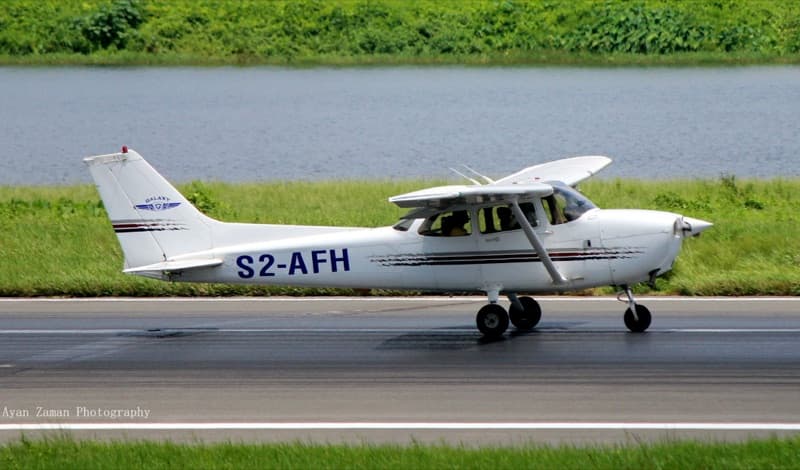
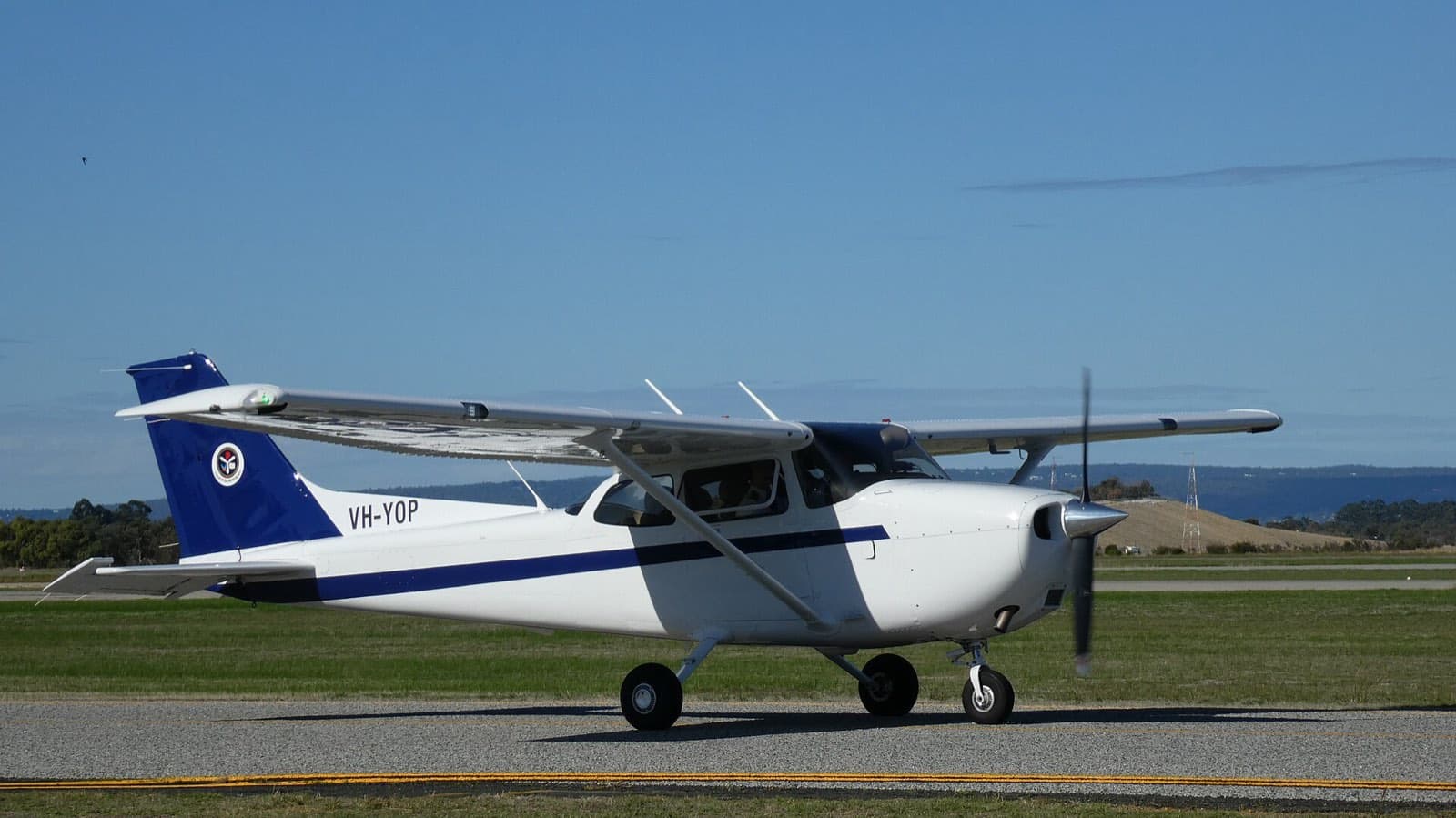
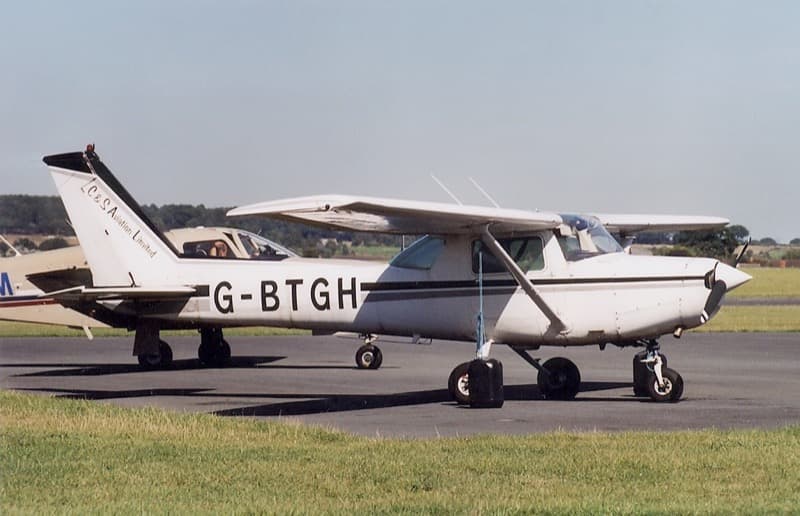
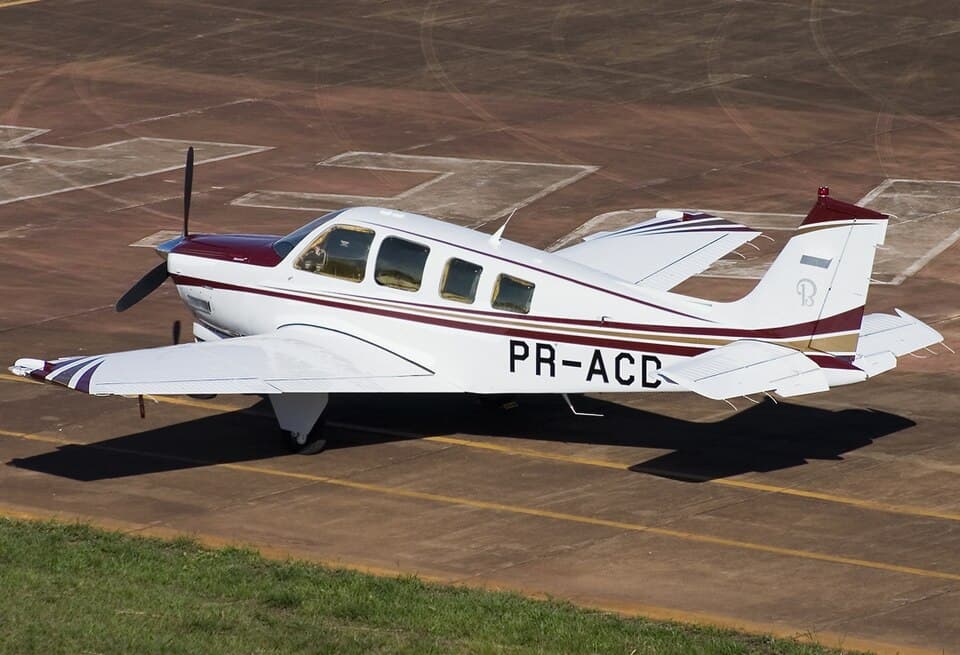
Related Aircraft
Pilot Tools for This Flight
FLIGHT2.22.0Checklist
Cirrus SR22MSFS 2024 · Startup Checklist · 146 steps · 16 phases
PHS 1 - Pre-Flight Planning8 steps
| 01 | Weather Briefing (METAR / TAF)REVIEWEDNOTE: Assess ceiling, visibility, winds and icing risk. Flight into known icing requires the optional FIKI TKS installation and its own AFM supplement (Section 9). | |
| 02 | NOTAMsREVIEWED | |
| 03 | Fuel RequiredCALCULATEDNOTE: POH Section 2: total capacity 94.5 US gal, total usable 92.0 US gal in all flight conditions. | |
| 04 | Weight and BalanceWITHIN LIMITSCAUTION: POH Section 2 weight limits: max takeoff weight 3,600 lb (1,633 kg), max zero fuel weight 3,400 lb (1,542 kg), max baggage compartment weight 130 lb (59 kg). | |
| 05 | CAPS ReviewREVIEWEDNOTE: Cirrus Airframe Parachute System. Max demonstrated deployment speed 140 KIAS (VPD). POH Section 10 sets no minimum deployment altitude, but advises activating at or above 2,000 ft AGL where circumstances permit. | |
| 06 | Takeoff and Landing PerformanceCALCULATEDNOTE: Section 5 charts. Max demonstrated crosswind for takeoff or landing is 21 knots. | |
| 07 | Flight Plan / Perspective+PREPARED | |
| 08 | ATISOBTAINED |
PHS 2 - Preflight Inspection32 steps
| 01 | Required DocumentsON BOARDWARNING: Before the walk-around, ensure all required maintenance has been accomplished. In cold weather remove all frost, ice, snow or slush from fuselage, wings, stabilizers and control surfaces. | |
| 02 | AVIONICS SwitchOFF | |
| 03 | BAT 2 SwitchON | |
| 04 | PFDVERIFY ON | |
| 05 | Essential Bus Voltage23-25 VOLTS | |
| 06 | BAT 1 SwitchON | |
| 07 | Fuel QuantityCHECK | |
| 08 | Fuel SelectorSELECT FULLER TANK | |
| 09 | Flaps100%, CHECK LIGHT ON | |
| 10 | Stall Warning System InletUNOBSTRUCTED | |
| 11 | Stall WarningTESTNOTE: Apply suction to the stall warning system inlet and note that the warning horn sounds. | |
| 12 | Pitot HeatON - VERIFY PROBE HOT - THEN OFFWARNING: Pitot heat probe may be hot. | |
| 13 | BAT 1 and BAT 2 SwitchesOFF | |
| 14 | Alternate Static SourceNORMAL | |
| 15 | Circuit BreakersIN | |
| 16 | Fire Extinguisher and Egress HammerCHARGED AND AVAILABLE | |
| 17 | CAPS HandlePIN REMOVEDWARNING: The CAPS activation handle safety pin must be removed before flight. | |
| 18 | Parachute Cover (Left Fuselage)SEALED AND SECURE | |
| 19 | Static Buttons (Both Sides)CHECK FOR BLOCKAGE | |
| 20 | Empennage - Stabilizers, Elevator, Rudder and Trim TabCONDITION AND FREEDOM OF MOVEMENT | |
| 21 | Ailerons, Gap Seals and FlapsCONDITION, SECURITY AND MOVEMENT | |
| 22 | Wing Leading Edges and Stall StripsCONDITION | |
| 23 | Fuel Caps (Both Wings)CHECK QUANTITY AND SECURE | |
| 24 | Fuel Drains (2 Underside Per Wing)DRAIN AND SAMPLE | |
| 25 | Gascolator (Underside, Nose Left)DRAIN FOR 3 SECONDS, SAMPLE | |
| 26 | Fuel Vents (Underside, Both Wing Tips)UNOBSTRUCTED | |
| 27 | Pitot Probe (Left Wing Tip)COVER REMOVED, UNOBSTRUCTED | |
| 28 | Engine OilCHECK 6-8 QUARTS, CAP AND DOOR SECURECAUTION: The engine should not be operated with less than six quarts of oil. Seven quarts (dipstick indication) is recommended for extended flights. | |
| 29 | Propeller and SpinnerCONDITION - NO INDENTATIONS OR NICKSWARNING: Keep clear of the propeller rotation plane. Do not allow others to approach the propeller. | |
| 30 | Air Inlets and CowlingUNOBSTRUCTED - ATTACHMENTS SECURE | |
| 31 | Tires, Wheels and BrakesCONDITION, INFLATION AND WEAR | |
| 32 | Chocks, Tow Bar and Tiedown RopesREMOVE AND STOW |
PHS 3 - Before Engine Start5 steps
| 01 | Preflight InspectionCOMPLETED | |
| 02 | Weight and BalanceVERIFY WITHIN LIMITSWARNING: Ensure the airplane is properly loaded and within the AFM's weight and balance limitations prior to takeoff. | |
| 03 | Emergency EquipmentON BOARD | |
| 04 | PassengersBRIEFEDNOTE: Brief smoking, oxygen system, seat belts, doors, emergency exits, egress hammer and CAPS. Verify the CAPS handle safety pin is removed. | |
| 05 | Seats, Seat Belts and HarnessesADJUST AND SECUREWARNING: Crew seats must be locked in position and control handles fully down before flight. Ensure seat belt harnesses are not twisted. |
PHS 4 - Engine Start16 steps
| 01 | External Power (If Applicable)CONNECTWARNING: If the airplane will be started using external power, keep all personnel and power unit cables well clear of the propeller rotation plane. | |
| 02 | BrakesHOLD | |
| 03 | BAT 1 and BAT 2 SwitchesON (CHECK VOLTS)CAUTION: Alternators should be left OFF during engine starting to avoid high electrical loads. | |
| 04 | Strobe LightsON | |
| 05 | MixtureFULL RICH | |
| 06 | Power LeverFULL FORWARD | |
| 07 | Fuel PumpPRIME, THEN BOOSTNOTE: On the first start of the day, especially in cool ambient conditions, holding the Fuel Pump switch to PRIME for 2 seconds will improve starting. If the engine is warm, no priming is required. | |
| 08 | Propeller AreaCLEAR | |
| 09 | Power LeverOPEN 1/4 INCH | |
| 10 | Ignition SwitchSTART (RELEASE AFTER ENGINE STARTS)CAUTION: Limit cranking to intervals of 10 seconds with a 20-second cooling period between cranks. This will improve battery and contactor life. | |
| 11 | Oil PressureCHECKWARNING: If the oil gauge does not begin to show pressure within 30 seconds in warm weather, or about 60 seconds in very cold weather, shut down the engine and investigate. Lack of oil pressure indicates loss of lubrication and can cause severe engine damage. | |
| 12 | Power LeverRETARD (MAINTAIN 1000 RPM) | |
| 13 | ALT 1 and ALT 2 SwitchesON | |
| 14 | AVIONICS SwitchON | |
| 15 | Engine ParametersMONITOR | |
| 16 | External Power (If Applicable)DISCONNECT |
PHS 5 - Before Taxiing4 steps
| 01 | FlapsUP (0%) | |
| 02 | Radios / AvionicsAS REQUIRED | |
| 03 | Cabin Heat / DefrostAS REQUIRED | |
| 04 | Fuel SelectorSWITCH TANK |
PHS 6 - Taxiing5 steps
| 01 | Parking BrakeDISENGAGE | |
| 02 | BrakesCHECKWARNING: Maximum continuous engine speed for taxiing is 1000 RPM on flat, smooth, hard surfaces. Settings slightly above 1000 RPM are permissible to start motion, for turf, soft surfaces and inclines. If the 1000 RPM taxi limit and proper braking procedures are not observed, the brake system may overheat and result in brake damage or brake fire. | |
| 03 | HSI OrientationCHECK | |
| 04 | Attitude GyroCHECK | |
| 05 | Turn CoordinatorCHECK |
PHS 7 - Before Takeoff27 steps
| 01 | DoorsLATCHEDWARNING: Do not take off with frost, ice, snow or other contamination on the fuselage, wings, stabilizers or control surfaces. | |
| 02 | CAPS HandleVERIFY PIN REMOVED | |
| 03 | Seat Belts and Shoulder HarnessSECURE | |
| 04 | Cabin Heat / DefrostAS REQUIRED | |
| 05 | Air ConditionerRECIRC DISABLEDCAUTION: Use of RECIRC mode is prohibited in flight. | |
| 06 | Fuel QuantityCONFIRM | |
| 07 | Fuel SelectorFULLER TANK | |
| 08 | Fuel PumpBOOST | |
| 09 | MixtureAS REQUIRED | |
| 10 | FlapsSET 50% AND CHECKNOTE: Normal and short field takeoffs are accomplished with flaps set at 50%. Takeoffs with 100% flaps are not approved. | |
| 11 | AutopilotCHECK AND DISCONNECT | |
| 12 | TransponderSET | |
| 13 | COM and NAV / GPSSET | |
| 14 | BrakesHOLD | |
| 15 | Power Lever1700 RPMNOTE: In cold weather the engine should be warmed before takeoff; in most cases this is accomplished when oil temperature has reached at least 100 degF (38 degC). | |
| 16 | AlternatorCHECKNOTE: Check with Pitot Heat ON, Navigation Lights ON and Landing Light ON. | |
| 17 | VoltageCHECK | |
| 18 | Pitot HeatAS REQUIREDNOTE: Pitot heat should be ON for flight into IMC, flight into visible moisture, or whenever ambient temperature is 41 degF (5 degC) or less. | |
| 19 | Navigation LightsAS REQUIRED | |
| 20 | Landing LightAS REQUIRED | |
| 21 | MagnetosCHECK LEFT AND RIGHTNOTE: Ignition switch to R, note RPM, then BOTH; then to L, note RPM, then BOTH. RPM drop must not exceed 150 RPM for either magneto and the differential must not exceed 75 RPM between magnetos. An absence of RPM drop may indicate faulty grounding of one side of the ignition system. | |
| 22 | Engine ParametersCHECK | |
| 23 | Power LeverIDLENOTE: Verify smooth engine operation at idle speed of 600 to 750 RPM. | |
| 24 | Flight Instruments, HSI and AltimeterCHECK AND SET | |
| 25 | Flight ControlsFREE AND CORRECT | |
| 26 | TrimSET TAKEOFF | |
| 27 | CAS MessagesCHECK |
PHS 8 - Takeoff5 steps
| 01 | BrakesRELEASE (STEER WITH RUDDER ONLY) | |
| 02 | Power LeverFULL FORWARDNOTE: Check full-throttle engine operation early in the takeoff run. The engine should run smoothly and turn approximately 2700 RPM. Discontinue takeoff at any sign of rough operation or sluggish acceleration. | |
| 03 | Engine ParametersCHECKNOTE: Fuel BOOST should be left ON during takeoff and for climb as required for vapor suppression with hot or warm fuel. | |
| 04 | Elevator ControlROTATE SMOOTHLY AT 73-76 KIASNOTE: Short field takeoff: rotate smoothly at 73 KIAS and cross the obstacle at 84 KIAS. | |
| 05 | At 90 KIAS, FlapsUP |
PHS 9 - Climb5 steps
| 01 | Climb PowerSETNOTE: Normal climbs are performed flaps UP and full power at speeds 5 to 10 knots higher than best rate-of-climb speed. Best rate of climb is 108 KIAS at sea level and 99 KIAS at 10,000 ft; best angle of climb is 88 KIAS. Normal enroute climb is 110-120 KIAS. | |
| 02 | FlapsVERIFY UP | |
| 03 | MixtureLEAN AS REQUIRED FOR ALTITUDENOTE: Maintain target fuel flow at the top of the dynamically calculated green arc on the fuel gauge. Maximum power fuel flow is 27.1 GPH at sea level, 22.8 GPH at 5,000 ft, 19.5 GPH at 10,000 ft. An excessively rich mixture will occur if Mixture is set FULL RICH above 7,500 ft pressure altitude. | |
| 04 | Engine ParametersCHECK | |
| 05 | Fuel PumpBOOSTNOTE: The fuel pump is used for vapor suppression during climb. It is also recommended that it be left on for 30 minutes after leveling off following a climb, and any time fuel flow or EGT anomalies occur. |
PHS 10 - Cruise5 steps
| 01 | Fuel PumpOFFNOTE: The fuel pump may be used for vapor suppression during cruise, and should be set to BOOST during maneuvering flight (training maneuvers, chandelles, stalls). | |
| 02 | Cruise PowerSETNOTE: Normal cruising is performed between 55% and 85% power. For engine break-in, cruise at a minimum of 75% power until the engine has been operated for at least 25 hours or oil consumption has stabilized. | |
| 03 | MixtureLEAN AS REQUIREDNOTE: Lean to establish peak EGT as a reference, then adjust: Best Power is 75 degF rich of peak EGT (use 75% power or less); Best Economy is 50 degF lean of peak EGT (use 65% power or less). | |
| 04 | Engine ParametersMONITOR | |
| 05 | Fuel Flow and BalanceMONITORCAUTION: Fuel BOOST must be used when switching from one tank to another. Failure to activate the fuel pump before transfer could result in delayed restart if the engine quits due to fuel starvation. |
PHS 11 - Descent6 steps
| 01 | AltimeterSET | |
| 02 | Cabin Heat / DefrostAS REQUIRED | |
| 03 | Landing LightON | |
| 04 | Fuel SystemCHECK | |
| 05 | MixtureAS REQUIRED | |
| 06 | Brake PressureCHECK |
PHS 12 - Before Landing5 steps
| 01 | Seat Belt and Shoulder HarnessSECURE | |
| 02 | Fuel PumpBOOST | |
| 03 | MixtureAS REQUIRED | |
| 04 | FlapsAS REQUIREDNOTE: VFE is 150 KIAS at 50% flaps and 110 KIAS at 100% flaps. | |
| 05 | AutopilotAS REQUIRED |
PHS 13 - Landing5 steps
| 01 | Flaps100%CAUTION: Landings should be made with full flaps. Landings with less than full flaps are recommended only if the flaps fail to deploy, or to extend glide distance due to engine malfunction. | |
| 02 | Airspeed80-85 KIASNOTE: Normal approach speeds: 90-95 KIAS flaps up, 85-90 KIAS flaps 50%, 80-85 KIAS flaps 100%. Short field approach (VREF) is 79 KIAS with 100% flaps. | |
| 03 | Power LeverAS REQUIRED | |
| 04 | TouchdownMAIN WHEELS FIRST - POWER OFFNOTE: Gently lower the nose wheel to the runway after speed has diminished. This is especially important for rough or soft field landings. | |
| 05 | BrakesAS REQUIREDNOTE: For a short field landing, retract the flaps, hold the control yoke full back, and apply maximum brake pressure without skidding. Maximum demonstrated crosswind is 21 knots. |
PHS 14 - Balked Landing / Go-Around5 steps
| 01 | AutopilotDISENGAGE | |
| 02 | Power LeverFULL FORWARD | |
| 03 | Flaps50% | |
| 04 | Airspeed80-85 KIAS | |
| 05 | Flaps (After Clear of Obstacles)UP |
PHS 15 - After Landing5 steps
| 01 | Power Lever1000 RPM | |
| 02 | Fuel PumpOFF | |
| 03 | FlapsUP | |
| 04 | LightsAS REQUIRED | |
| 05 | Pitot HeatOFFNOTE: As the airplane slows the rudder becomes less effective and taxiing is accomplished using differential braking. |
PHS 16 - Shutdown8 steps
| 01 | Fuel PumpOFF | |
| 02 | Power LeverIDLE | |
| 03 | Ignition SwitchCYCLECAUTION: The engine should hesitate as the switch cycles through the OFF position. If it does not hesitate, one or both magnetos are not grounded. Prominently mark the propeller as Hot and contact maintenance immediately. | |
| 04 | MixtureCUTOFF | |
| 05 | All SwitchesOFF | |
| 06 | MagnetosOFF | |
| 07 | ELTTRANSMIT LIGHT OUTNOTE: After a hard landing the ELT may activate. If this is suspected, press the RESET button. | |
| 08 | Chocks, Tie-Downs and Pitot CoversAS REQUIRED |