flightchecklist.appFocus mode active
MSFS 2024 · General Aviation
Cessna 152 Startup Checklist
Related Aircraft
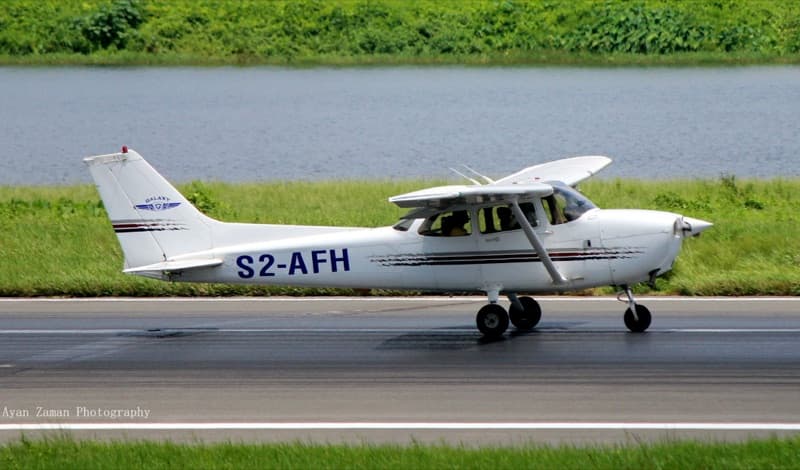
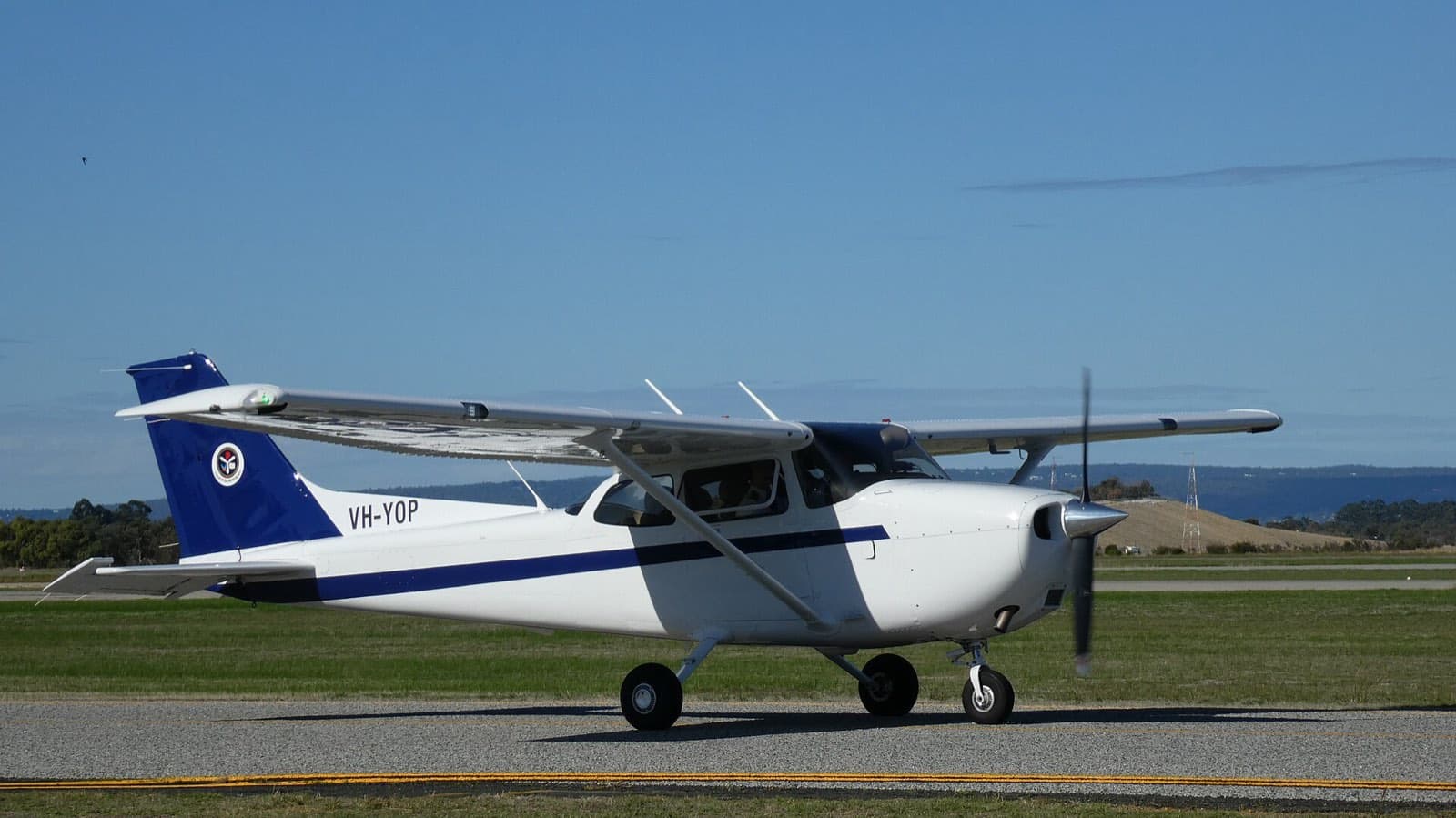
Pilot Tools for This Flight
FLIGHT2.17.1Checklist
Cessna 152MSFS 2024 · Startup Checklist · 105 steps · 12 phases
PHS 1 - Pre-Flight Planning7 steps
| 01 | Weather Briefing (METAR / TAF)REVIEWEDNOTE: Check current conditions and forecast at departure, enroute, and destination airports. | |
| 02 | NOTAMsREVIEWEDNOTE: Check for runway closures, TFRs, and airspace restrictions. | |
| 03 | Fuel RequiredCALCULATEDNOTE: POH Section 5 Cruise Performance (Figure 5-7) at 1670 lb, recommended lean mixture: 6.1 GPH at 75% power, down to about 3.7 GPH at 2000 RPM. Standard tanks hold 26 US gal total, 24.5 gal usable; optional long range tanks hold 39 US gal total, 37.5 gal usable. Plan trip fuel plus a 30-minute VFR reserve (45 min at night). | |
| 04 | Weight & BalanceWITHIN LIMITSCAUTION: POH Section 2: max ramp weight 1675 lb, max takeoff and landing weight 1670 lb. CG range 31.0 in aft of datum at 1350 lb or less, varying linearly to 32.65 in at 1670 lb; aft limit 36.5 in at all weights. Max combined baggage 120 lb (Area 1 120 lb, Area 2 40 lb). | |
| 05 | Takeoff & Landing DistancesCALCULATEDNOTE: POH performance specification at 1670 lb, sea level, standard day: takeoff ground roll 725 ft, 1340 ft over a 50 ft obstacle; landing ground roll 475 ft, 1200 ft over a 50 ft obstacle. Account for density altitude, runway surface, and slope. | |
| 06 | VFR Charts / Flight PlanPREPAREDNOTE: Mark waypoints, frequencies, and altitudes on sectional chart or EFB. | |
| 07 | Passenger BriefingCOMPLETEDNOTE: Brief seat belt use, doors, fire extinguisher location, and sterile cockpit during critical phases. |
PHS 2 - Preflight Inspection37 steps
| 01 | Pilot's Operating HandbookAVAILABLE IN THE AIRPLANE | |
| 02 | Control Wheel LockREMOVE | |
| 03 | Ignition SwitchOFF | |
| 04 | Avionics Master SwitchOFF | |
| 05 | Master SwitchONWARNING: When turning on the master switch, using an external power source, or pulling the propeller through by hand, treat the propeller as if the ignition switch were on. Do not stand, nor allow anyone else to stand, within the arc of the propeller. | |
| 06 | Fuel Quantity IndicatorsCHECK QUANTITY | |
| 07 | External and Interior LightsON if night flight is contemplatedNOTE: Check to ensure that all are working. | |
| 08 | Pitot HeatON if flight in instrument conditions is contemplatedNOTE: Check to ensure that the pitot tube is warm to the touch within 30 seconds. | |
| 09 | Lights and Pitot HeatOFF | |
| 10 | Master SwitchOFF | |
| 11 | Fuel ValveON | |
| 12 | Empennage - Rudder Gust LockREMOVE | |
| 13 | Empennage - Tail TiedownDISCONNECT | |
| 14 | Empennage - Control SurfacesCHECKNOTE: Check for freedom of movement and security. | |
| 15 | Right Wing Trailing Edge - AileronCHECKNOTE: Check freedom of movement and security. | |
| 16 | Right Wing - Wing TiedownDISCONNECT | |
| 17 | Right Wing - Main Wheel TireCHECKNOTE: Check for proper inflation, cuts, and wear. | |
| 18 | Right Wing - Fuel SumpDRAINNOTE: Before the first flight of the day and after each refueling, drain a fuel sample from the sump and check for water and other contaminants. | |
| 19 | Right Wing - Fuel QuantityCHECK VISUALLY | |
| 20 | Right Wing - Fuel Filler CapSECURE | |
| 21 | Nose - Engine OilCHECKCAUTION: 4 quarts minimum. 5 quarts maximum for flights of less than 3 hours; 6 quarts maximum otherwise. | |
| 22 | Nose - Engine Oil CapSECURE | |
| 23 | Nose - Fuel StrainerDRAINNOTE: Before the first flight of the day and after each refueling, pull out the fuel strainer knob for 4 seconds. | |
| 24 | Nose - Propeller and SpinnerCHECKNOTE: Check for nicks and cracks. | |
| 25 | Nose - Air IntakeCHECKNOTE: Check for obstructions. | |
| 26 | Nose - Nose Wheel StrutCHECKNOTE: Check for proper inflation. | |
| 27 | Nose - Nose Wheel TireCHECKNOTE: Check for inflation, cuts, and wear. | |
| 28 | Nose - Nose TiedownREMOVE | |
| 29 | Left Wing - Main Wheel TireCHECKNOTE: Check for proper inflation, cuts, and wear. | |
| 30 | Left Wing - Fuel SumpDRAINNOTE: Before the first flight of the day and after each refueling, drain a fuel sample from the sump and check for water and other contaminants. | |
| 31 | Left Wing - Fuel QuantityCHECK VISUALLY | |
| 32 | Left Wing - Fuel Filler CapSECURE | |
| 33 | Left Wing Leading Edge - Pitot TubeREMOVE COVER and CHECKNOTE: Check for obstruction and damage. | |
| 34 | Left Wing Leading Edge - Stall Warning VaneCHECK | |
| 35 | Left Wing Leading Edge - Fuel Tank Vent OpeningCHECKNOTE: Check for stoppage. | |
| 36 | Left Wing Leading Edge - Wing TiedownDISCONNECT | |
| 37 | Left Wing Trailing Edge - AileronCHECKNOTE: Check freedom of movement and security. |
PHS 3 - Before Starting Engine6 steps
| 01 | Preflight InspectionCOMPLETE | |
| 02 | Seats, Belts, Shoulder HarnessesADJUST and LOCK | |
| 03 | Fuel Shutoff ValveON | |
| 04 | Radios, Electrical EquipmentOFF | |
| 05 | BrakesTEST and SET | |
| 06 | Circuit BreakersCHECK IN |
PHS 4 - Starting Engine (Temperatures Above Freezing)9 steps
| 01 | MixtureRICH | |
| 02 | Carburetor HeatCOLDNOTE: The carburetor heat control knob should be pushed full in during all ground operations unless heat is absolutely necessary; in the heat position the induction air is unfiltered. | |
| 03 | PrimeAS REQUIRED (up to 3 strokes)NOTE: In warm weather one stroke should be sufficient; in temperatures near freezing up to 3 strokes may be necessary. Below freezing, refer to the POH Cold Weather Operation paragraphs. | |
| 04 | ThrottleOPEN 1/2 INCHCAUTION: The carburetor has no accelerator pump, so pumping the throttle during starting must be avoided; it will only cause excessive leaning. | |
| 05 | Propeller AreaCLEAR | |
| 06 | Master SwitchON | |
| 07 | Ignition SwitchSTART (release when engine starts)NOTE: Weak intermittent firing followed by puffs of black smoke indicates overpriming or flooding. To clear: mixture IDLE CUT-OFF, throttle full open, crank through several revolutions, then repeat the start without additional priming. | |
| 08 | ThrottleADJUST for 1000 RPM or less | |
| 09 | Oil PressureCHECKWARNING: If the oil gage does not begin to show pressure within 30 seconds in summertime (about twice that long in very cold weather), stop the engine and investigate. Lack of oil pressure can cause serious engine damage. |
PHS 5 - Before Takeoff16 steps
| 01 | Parking BrakeSET | |
| 02 | Cabin DoorsCLOSED and LATCHED | |
| 03 | Flight ControlsFREE and CORRECT | |
| 04 | Flight InstrumentsSET | |
| 05 | Fuel Shutoff ValveON | |
| 06 | MixtureRICH (below 3000 feet)NOTE: Prior to takeoff from fields above 3000 feet elevation, lean the mixture to give maximum RPM in a full-throttle static runup. | |
| 07 | Elevator TrimTAKEOFF | |
| 08 | Throttle1700 RPM | |
| 09 | MagnetosCHECKNOTE: Move the ignition switch to R and note RPM, back to BOTH to clear the other set of plugs, then to L, note RPM, and return to BOTH. RPM drop should not exceed 125 RPM on either magneto or 50 RPM differential between magnetos. | |
| 10 | Carburetor HeatCHECK (for RPM drop) | |
| 11 | Engine Instruments and AmmeterCHECKNOTE: Alternator check: load the electrical system momentarily (3 to 5 seconds) with the landing light, or operate the wing flaps at 1700 RPM. The ammeter should remain within a needle width of its initial position. | |
| 12 | Suction GageCHECK | |
| 13 | RadiosSET | |
| 14 | Flashing Beacon, Navigation Lights and/or Strobe LightsON as required | |
| 15 | Throttle Friction LockADJUST | |
| 16 | BrakesRELEASE |
PHS 6 - Takeoff6 steps
| 01 | Wing Flaps0 deg to 10 degNOTE: Using 10 deg of flap reduces the total distance over an obstacle by approximately 10%. Flap deflections greater than 10 deg are not approved for takeoff. Short field takeoff uses 10 deg with the brakes applied before full throttle. | |
| 02 | Carburetor HeatCOLD | |
| 03 | ThrottleFULL OPENCAUTION: Check full-throttle engine operation early in the takeoff run. The engine should turn approximately 2280 to 2380 RPM with carburetor heat off and mixture leaned to maximum RPM. Any sign of rough running or sluggish acceleration is good cause for discontinuing the takeoff. | |
| 04 | Elevator ControlLIFT NOSE WHEEL at 50 KIASNOTE: Short field and soft field technique: lift off in a slightly tail-low attitude. | |
| 05 | Climb Speed65 - 75 KIASNOTE: Short field: climb at 54 KIAS until all obstacles are cleared. | |
| 06 | Wing FlapsRETRACT after reaching 60 KIASNOTE: If 10 deg of flap was used for takeoff, leave it down until all obstacles are cleared and a safe flap retraction speed of 60 KIAS is reached. |
PHS 7 - Enroute Climb3 steps
| 01 | Airspeed70 - 80 KIASNOTE: If a maximum performance climb is necessary, refer to POH Section 5: 67 KIAS at sea level, decreasing to 60 KIAS at 12,000 ft MSL. Best angle-of-climb speed is 55 KIAS from sea level through 10,000 ft. | |
| 02 | ThrottleFULL OPEN | |
| 03 | MixtureRICH below 3000 feet; LEAN for maximum RPM above 3000 feet |
PHS 8 - Cruise4 steps
| 01 | Power1900 - 2550 RPMCAUTION: No more than 75% power. Normal cruising is performed between 55% and 75% power. Cruise at 65% to 75% power until 50 hours have accumulated or oil consumption has stabilized on a new or newly overhauled engine. | |
| 02 | Elevator TrimADJUST | |
| 03 | MixtureLEANNOTE: Lean until engine RPM peaks and drops 25-50 RPM. At lower powers it may be necessary to enrich slightly for smooth operation. | |
| 04 | Carburetor HeatAS REQUIREDCAUTION: Carburetor ice shows as an unexplained drop in RPM and is removed with full carburetor heat. Heated air enriches the mixture, so readjust the mixture if carburetor heat is used continuously. Full carburetor heat is recommended in very heavy rain to avoid engine stoppage from water ingestion. |
PHS 9 - Before Landing3 steps
| 01 | Seats, Belts, HarnessesADJUST and LOCK | |
| 02 | MixtureRICH | |
| 03 | Carburetor HeatONCAUTION: Apply full heat before closing the throttle. |
PHS 10 - Landing6 steps
| 01 | Airspeed60 - 70 KIAS (flaps UP) | |
| 02 | Wing FlapsAS DESIRED (below 85 KIAS)CAUTION: Vfe is 85 KIAS. Approved landing flap range is 10 deg to 30 deg. In a strong crosswind use the minimum flap setting required for the field length. | |
| 03 | Airspeed55 - 65 KIAS (flaps DOWN)NOTE: Short field landing: 30 deg flaps and 54 KIAS maintained until the obstacle is cleared, then reduce power to idle. | |
| 04 | TouchdownMAIN WHEELS FIRSTNOTE: Actual touchdown should be made with power off. | |
| 05 | Landing RollLOWER NOSE WHEEL GENTLY | |
| 06 | BrakingMINIMUM REQUIREDNOTE: Short field landing: lower the nose wheel immediately, apply heavy braking, and retract the flaps for maximum brake effectiveness. Balked landing: throttle FULL OPEN, carburetor heat COLD, flaps retract to 20 deg, airspeed 55 KIAS, then retract flaps slowly. |
PHS 11 - After Landing2 steps
| 01 | Wing FlapsUP | |
| 02 | Carburetor HeatCOLD |
PHS 12 - Securing Airplane6 steps
| 01 | Parking BrakeSET | |
| 02 | Radios, Electrical EquipmentOFF | |
| 03 | MixtureIDLE CUT-OFF (pull full out) | |
| 04 | Ignition SwitchOFF | |
| 05 | Master SwitchOFF | |
| 06 | Control LockINSTALL |