Daher TBM 930 Startup Checklist
Daher TBM 930 Startup Notes
First quirk: the red crash lever on the left console must be up or the airplane plays dead, and it catches almost everyone once. The start itself is a single-lever affair. With ignition and auxiliary boost pump in AUTO, hit the starter, watch Ng rise, and only at 13 percent move the throttle from cutoff into low idle. From there your job is pure ITT monitoring, because the PT6 will happily cook itself if the battery is weak or fuel came in early.
The classic mistakes are all about heat and electrons. Introducing fuel below 13 percent Ng is the fastest route to a hot start, and so is starting on a tired battery, so check voltage and use ground power if it is marginal. When ITT does surge, sim pilots tend to freeze and watch; the correct move is throttle back to cutoff immediately while the starter keeps motoring to cool the engine. And again: crash lever up before you blame the sim.
Common mistakes
- Introducing fuel below 13 percent Ng
- Forgetting the crash lever and finding a dead cockpit
- Starting on a weak battery instead of ground power
Related Aircraft
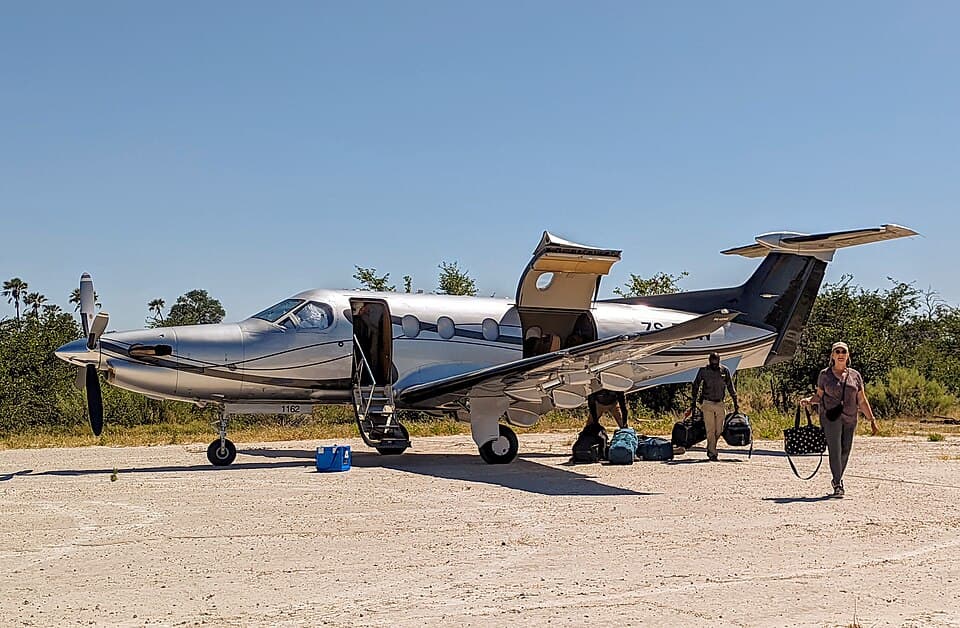
| 01 | Weather Briefing (METAR / TAF)REVIEWEDNOTE: Manual temperature limits: minimum -40 degC at start and takeoff; maximum ISA +37 degC (+67 degF) from 0 to 8000 ft pressure altitude. | |
| 02 | NOTAMsREVIEWED | |
| 03 | Fuel RequiredCALCULATEDCAUTION: Maximum fuel imbalance is 15 USG (57 litres).NOTE: Two tanks of 150.5 USG each. Total fuel 301 USG (1140 litres), usable 292 USG (1106 litres), unusable 9 USG. | |
| 04 | Weight and BalanceWITHIN LIMITSCAUTION: MRW 7430 lb (3370 kg), MTOW 7394 lb (3354 kg), MLW 7024 lb (3186 kg), MZFW 6032 lb (2736 kg). | |
| 05 | Takeoff PerformanceCALCULATEDNOTE: Flight load factor limits flaps up: -1.5 to +3.8 g below 6579 lb (2984 kg), -1.5 to +3.5 g above. Flaps down: 0 to +2.0 g. | |
| 06 | Route / Flight PlanPREPARED AND LOADEDNOTE: Garmin G3000 integrated flight deck. Approved for IFR en-route, terminal and RNP APCH (LNAV, LNAV/VNAV and LPV minima). | |
| 07 | ATISOBTAINED | |
| 08 | Oxygen CylinderOPENNOTE: The manual requires the oxygen cylinder open before the inside inspection is started. |
| 01 | Preflight Scan Method6 SUBPARTSNOTE: Manual 4.4: initial inside inspection, cabin, LH wing, fuselage forward section, RH wing, fuselage rear section / empennages. | |
| 02 | Inspection Doors and General ConditionCHECKED VISUALLYWARNING: Check systems and parts for attachment, deflection, leaks, cracks, deterioration, obstruction, nicks and free movement. | |
| 03 | Frost, Ice or SnowREMOVEDWARNING: In cold weather, remove even small accumulations of frost, ice or snow from wing, tail and control surfaces. | |
| 04 | Covers and LocksREMOVEDNOTE: Remove covers on pitots (2), static ports (2), static dischargers (2), engine air inlet (1), air inlets (2), exhaust cover and propeller locks (2). | |
| 05 | Tie-DownsREMOVEDWARNING: Remove tie-downs before flight. | |
| 06 | Fuel Type and QuantityCORRECT FOR REFUELINGCAUTION: AVGAS use is restricted to emergency purposes only and to 150 cumulative hours between engine overhauls.NOTE: Jet A / Jet A1 / JP-5 / JP-8 per manual figure 2.3.1. | |
| 07 | Navigation, Landing and Strobe LightsCHECKEDNOTE: Night flight: check operation of all lights and confirm an emergency lamp is on board. | |
| 08 | Ice Protection SystemsCHECKEDNOTE: If icing conditions are foreseen, check operation of all electrical and pneumatic ice protection systems. | |
| 09 | Flight Controls LockREMOVED / STOWEDNOTE: Normally stowed in the front cargo compartment with the towing bar and blanking covers. | |
| 10 | Flight Control DeflectionsCHECK | |
| 11 | PROP DE ICEDO NOT TEST ON GROUNDCAUTION: With the engine shut down, do not set PROP DE ICE to ON for more than 10 seconds; damage to the propeller blades could result. | |
| 12 | MAN OVRD ControlBACKWARD | |
| 13 | THROTTLECUT OFFCAUTION: With the engine shut down the throttle must not be moved into the reverse area; lack of hydraulic pressure prevents movement into reverse and forcing the mechanism causes damage. | |
| 14 | Landing Gear Emergency ControlLEVER PUSHED DOWN / BY-PASS FULLY DEPRESSEDNOTE: Door must be in place; the by-pass selector must be pushed to its maximum stop. | |
| 15 | Breakers PanelALL BREAKERS CHECKED | |
| 16 | ELT SwitchARM / OFF | |
| 17 | SOURCE SelectorBATT OR GPUCAUTION: Before selecting source, check the position of the IGNITION and STARTER switches. | |
| 18 | Battery VoltageCHECK GREATER THAN 24.5 VNOTE: GPU source should read approximately 28 V. A GPU is recommended in cold weather after more than 3 hours below -10 degC (+14 degF). | |
| 19 | Standby Instrument Battery SymbolNOT DISPLAYEDWARNING: If a battery symbol appears on the standby instrument display, takeoff is not allowed until the situation is resolved. |
| 01 | Cabin Door and Pilot Door (if installed)CLOSED / LOCKED | |
| 02 | BaggageSTOWED | |
| 03 | EMERGENCY EXIT PinREMOVED | |
| 04 | Seat, Pedals, HarnessADJUST / LOCK | |
| 05 | PASSENGER OXYGENSTBY | |
| 06 | OXYGENON | |
| 07 | Crew Oxygen MasksTEST | |
| 08 | EXT LIGHTSALL OFF | |
| 09 | INT LIGHTSALL OFF | |
| 10 | Crash LeverDOWN | |
| 11 | STARTEROFF | |
| 12 | IGNITIONAUTO | |
| 13 | AUX BPOFF | |
| 14 | FUEL SELMAN | |
| 15 | AP / TRIMSOFF | |
| 16 | A/COFF | |
| 17 | SEATS HTRS MASTER (if installed)OFFNOTE: Airplanes with the seat heater system, Post-MOD70-0588-25. | |
| 18 | CB LIGHTSOFF | |
| 19 | MICRO / MASKMICRO / GUARDED | |
| 20 | DE ICE SYSTEMALL OFF | |
| 21 | INERT SEPOFF | |
| 22 | PARK BRAKERESET / ON | |
| 23 | LANDING GEARDN | |
| 24 | DUMPNORM / GUARDED | |
| 25 | BLEEDOFF | |
| 26 | HOT AIR FLOWFULLY TURNED TO THE RIGHT | |
| 27 | MAN OVRDFULL BACKWARD (NOTCHED) | |
| 28 | THROTTLECUT OFF | |
| 29 | FUEL TANK SELECTOROPEN / L OR R | |
| 30 | ALTERNATE STATIC SOURCEPUSHED | |
| 31 | EMERGENCY RAM AIRPUSHED | |
| 32 | ESS BUS TIENORM / GUARDED | |
| 33 | BreakersALL PUSHED | |
| 34 | Landing Gear Emergency Pump HandleCHECK |
| 01 | Crash LeverUP | |
| 02 | ATISCOPIED | |
| 03 | Start ClearanceAS REQUIRED | |
| 04 | SOURCEBATT OR GPU | |
| 05 | GENERATORMAIN | |
| 06 | TESTPRESS | |
| 07 | LANDING GEAR LIGHTS / CHECK DOWNTEST | |
| 08 | MFDINITIALIZE | |
| 09 | Fuel On BoardCHECK | |
| 10 | Residual ITTCHECKCAUTION: If residual ITT is above 150 degC, perform the Motoring procedure before starting. | |
| 11 | Motoring (if residual ITT above 150 degC)IGNITION OFF / AUX BP ON / STARTER ON 2 SEC THEN OFFNOTE: Manual motoring procedure: IGNITION OFF, AUX BP ON, check AUX BOOST PMP ON, propeller area clear, STARTER ON (2 sec then OFF), abort after 30 seconds maximum then STARTER OFF and AUX BP OFF. | |
| 12 | VOLTSBATT GREATER THAN 24.5 V / GPU APPROX 28 V | |
| 13 | CASCHECK |
| 01 | IGNITIONAUTOCAUTION: After an aborted engine start wait 1 min / 5 min / 30 min before the 2nd / 3rd / 4th new start attempt. | |
| 02 | AUX BPON | |
| 03 | AUX BOOST PMP ONCHECK ON | |
| 04 | Propeller AreaCLEAR | |
| 05 | STARTERON - 2 SEC THEN OFF | |
| 06 | THROTTLE (when Ng around 13%)LO-IDLE | |
| 07 | ITT, Ng, OIL degC and OIL PSIMONITORWARNING: Start ITT maximum 1000 degC for 5 seconds; 870 degC for 20 seconds.CAUTION: Ng must reach 30% before 30 seconds and 50% before 1 minute. | |
| 08 | Starter (Ng above 50%, 1 minute max)CHECK OFF AUTOMATICALLY |
| 01 | SOURCE (if GPU used)BATT | |
| 02 | GPU (if used)DISCONNECT - CHECK GPU DOOR OFF | |
| 03 | THROTTLELO-IDLE OR FLIGHT IDLE | |
| 04 | NgCHECK 70% PLUS OR MINUS 2% | |
| 05 | OIL degC and OIL PSICHECKNOTE: Normal oil pressure 105 to 135 psi. Minimum 60 psi; maximum 135 psi with a transient up to 170 psi acceptable for 20 seconds maximum. Maximum oil temperature 104 degC. | |
| 06 | AUX BPAUTO | |
| 07 | FUEL SELAUTO | |
| 08 | SHIFTTEST | |
| 09 | AP / TRIMSON | |
| 10 | GENERATOR (if BATT below 80 amps)ST-BY / TEST | |
| 11 | GENERATORMAINCAUTION: Generator load must be below 200 A when the airplane is on the ground. | |
| 12 | CASCHECK | |
| 13 | A/CAS REQUIRED | |
| 14 | SEATS HTRS MASTER (if installed)AS REQUIRED | |
| 15 | BLEEDAUTO OR MAX DIFF |
| 01 | Stand-By InstrumentsCHECK | |
| 02 | DE ICE SYSTEMTEST | |
| 03 | INERT SEPON | |
| 04 | Flight ControlsCHECK | |
| 05 | TRIMSTEST | |
| 06 | FLAPSUP | |
| 07 | MFD - FPLSET | |
| 08 | MFD - LFESET / CHECK | |
| 09 | MFD - WX RADARSTBY | |
| 10 | THROTTLEFEATHER TWICE | |
| 11 | EISCHECK | |
| 12 | CASCHECK | |
| 13 | TAXI LightsON |
| 01 | LDG LightsON | |
| 02 | NAVON | |
| 03 | STROBEON | |
| 04 | IGNITIONAS REQUIRED - AUTO OR ON | |
| 05 | AUX BPAUTO | |
| 06 | FUEL SELAUTO | |
| 07 | DE ICE SYSTEMAS REQUIRED | |
| 08 | PITOT L HTR / PITOT R AND STALL HTRON | |
| 09 | INERT SEPON | |
| 10 | TRIMSTO | |
| 11 | FLAPSTO | |
| 12 | A/CAS REQUIRED | |
| 13 | BLEEDAUTO OR MAX DIFF | |
| 14 | LFECHECK | |
| 15 | FUEL GagesCHECK IMBALANCECAUTION: Maximum fuel imbalance 15 USG (57 litres). | |
| 16 | BATTCHECK BELOW 50 AMPS | |
| 17 | EISCHECK | |
| 18 | CASCHECK | |
| 19 | Altimeters SettingAS REQUIRED | |
| 20 | Instruments Departure SettingCHECK | |
| 21 | SID (PROC)SET | |
| 22 | ALT SELSET | |
| 23 | XPDR SquawkSET |
| 01 | ADI, HSI, HeadingsCHECK | |
| 02 | PROP RPMGREEN SECTORNOTE: Np limitation 2000 RPM plus or minus 40 RPM. | |
| 03 | BrakesRELEASE | |
| 04 | TRQ100%WARNING: Takeoff ITT limit 850 degC. Ng limitation 104.1%. | |
| 05 | Rotation AirspeedVR 90 KIAS - FLAPS TONOTE: VR at maximum takeoff weight 7394 lb (3354 kg), flaps TO. | |
| 06 | Attitude10 DEG UP | |
| 07 | Brakes (positive vertical speed)APPLY | |
| 08 | LANDING GEARUPNOTE: Maximum landing gear retraction speed 150 KIAS. | |
| 09 | FLAPS (above 115 KIAS)UP |
| 01 | LANDING GEARCHECK UP | |
| 02 | FLAPSCHECK UP | |
| 03 | TRQCHECK MAX 100% | |
| 04 | EISCHECK | |
| 05 | CASCHECK | |
| 06 | DE ICE SYSTEMAS REQUIRED | |
| 07 | INERT SEPAS REQUIRED |
| 01 | ALT SELCHECK | |
| 02 | Altimeters SettingAS REQUIRED | |
| 03 | AutopilotCHECKCAUTION: Do not engage the autopilot below 1000 ft (300 m) AGL in cruise or climb, and not below 85 KIAS. | |
| 04 | TRQ Adjustment / ITT / NgCHECKWARNING: Maximum climb and cruise ITT limit 840 degC. | |
| 05 | EISCHECK | |
| 06 | CASCHECK | |
| 07 | WX RADARAS REQUIRED | |
| 08 | PressurizationCHECK | |
| 09 | FUEL GagesCHECK | |
| 10 | AMPS / VOLTSCHECK | |
| 11 | DE ICE SYSTEMAS REQUIRED | |
| 12 | INERT SEPAS REQUIRED | |
| 13 | LDG LightsAS REQUIRED | |
| 14 | Climb Speed ReferenceVY 124 KIAS / VX 100 KIASNOTE: Best rate of climb 124 KIAS and best angle of climb 100 KIAS, landing gear and flaps UP. |
| 01 | Altimeters SettingCHECK | |
| 02 | AutopilotCHECK | |
| 03 | TRQ Adjustment / ITT / NgCHECKCAUTION: Maximum cruise ITT 840 degC. VMO 266 KIAS. | |
| 04 | EISCHECK | |
| 05 | CASCHECK | |
| 06 | PressurizationCHECK | |
| 07 | FUEL GagesCHECK | |
| 08 | AMPS / VOLTSCHECK | |
| 09 | DE ICE SYSTEMAS REQUIRED | |
| 10 | INERT SEPAS REQUIRED | |
| 11 | LDG LightsOFF | |
| 12 | Top of DescentCOMPUTED |
| 01 | Briefing Before ApproachCOMPLETED | |
| 02 | Altimeters SettingCHECK | |
| 03 | PressurizationCHECK | |
| 04 | LFECHECK | |
| 05 | FUEL GagesCHECK | |
| 06 | AMPS / VOLTSCHECK | |
| 07 | DE ICE SYSTEMAS REQUIRED | |
| 08 | INERT SEPAS REQUIRED |
| 01 | Altimeters Setting (QNH)SET / CHECK | |
| 02 | MinimumsSET / CHECK | |
| 03 | COM / NAV / GPSSET / CHECK | |
| 04 | PressurizationCHECK | |
| 05 | LFECHECK | |
| 06 | FUEL GagesCHECK | |
| 07 | AMPS / VOLTSCHECK | |
| 08 | DE ICE SYSTEMAS REQUIRED | |
| 09 | INERT SEPON | |
| 10 | LDG Lights (below FL100)ON |
| 01 | LDG LightsON | |
| 02 | LANDING GEARDN - CHECK 3 GREENCAUTION: Maximum landing gear extension speed 178 KIAS. | |
| 03 | FLAPSTOCAUTION: Maximum flaps extended speed, takeoff configuration, 178 KIAS. |
| 01 | LANDING GEARCHECK DN AND 3 GREEN | |
| 02 | FLAPSLDGCAUTION: Maximum flaps extended speed, landing configuration, 122 KIAS. | |
| 03 | AP / YDDISCONNECTWARNING: The autopilot and yaw damper must be OFF during takeoff and landing.NOTE: Approach airspeed with flaps LDG is 85 KIAS at maximum landing weight 7024 lb (3186 kg). |
| 01 | TAXI LightON | |
| 02 | NAVAS REQUIRED | |
| 03 | STROBEAS REQUIRED | |
| 04 | DE ICE SYSTEMAS REQUIRED | |
| 05 | TRIMSRESET TO TO | |
| 06 | FLAPSUP | |
| 07 | A/CAS REQUIRED | |
| 08 | XPDRCHECK | |
| 09 | WX RADARCHECK |
| 01 | PARK BRAKESET / ON | |
| 02 | EXT LIGHTSALL OFF | |
| 03 | INT LIGHTSAS REQUIRED | |
| 04 | OXYGENOFF | |
| 05 | FUEL SELMAN | |
| 06 | AP / TRIMSOFF | |
| 07 | A/COFF | |
| 08 | SEATS HTRS MASTER (if installed)OFF | |
| 09 | BLEEDOFF | |
| 10 | THROTTLEFLIGHT IDLE FOR 2 MIN | |
| 11 | THROTTLELO-IDLE FOR 15 SEC | |
| 12 | THROTTLECUT OFF | |
| 13 | INERT SEPOFF | |
| 14 | AUX BOOST PMP ONCHECK ON | |
| 15 | AUX BPOFF | |
| 16 | GENERATOROFF | |
| 17 | SOURCEOFFNOTE: After the inertial separator is retracted, approximately 40 seconds. | |
| 18 | Crash LeverPULL DOWN | |
| 19 | Stand-By InstrumentsOFF | |
| 20 | Oxygen Cylinder (right wing fairing)CLOSE | |
| 21 | Air Inlet, Static Port, Exhaust and Pitot CoversINSTALLCAUTION: Be careful of exhaust stub temperature before installing covers.NOTE: Check engine oil level 15 to 20 minutes after engine shutdown. |