Airbus A400M AtlasMSFS 2024 Startup Checklist · 171 steps
Airbus A400M Atlas
MSFS 2024 — 0/171 STEPS

Wikimedia CommonsCC BY-SA 4.0
TransportModern
AIRCRAFT BRIEF
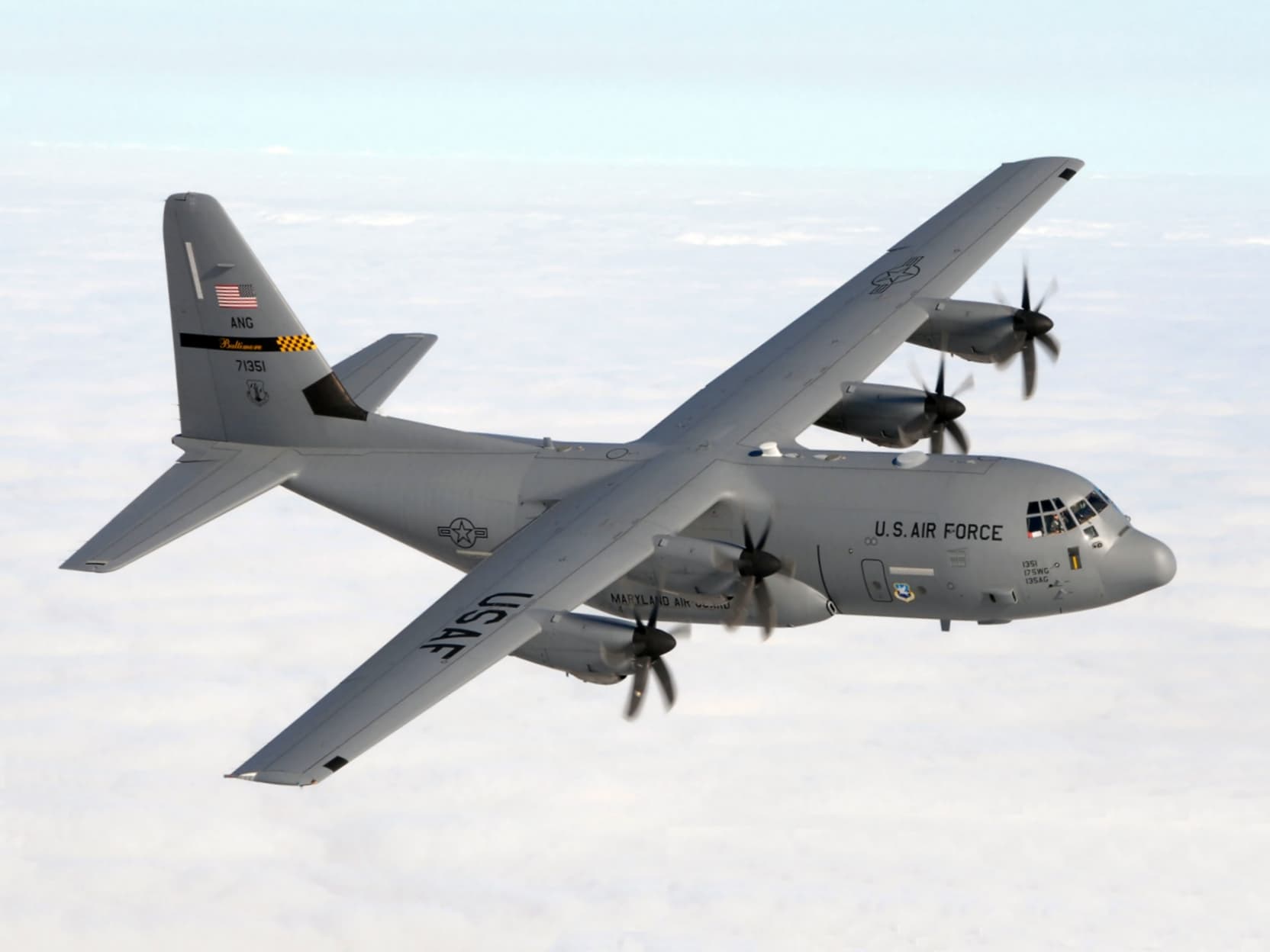
The Airbus A400M Atlas is a European four-engine turboprop military transport aircraft. First flown in 2009, it was designed to replace aging C-130 Hercules and C-160 Transall fleets across NATO nations. It combines tactical airlift capability with strategic range, able to operate from short unpaved runways while carrying heavy loads over long distances.
SOURCES
SPECIFICATIONS
manufacturerAirbus Defence and Space
first Flight2009
roleMilitary transport
crew3 (2 pilots + 1 loadmaster)
engines4x Europrop TP400-D6 (11,000 shp each)
max Speed780 km/h (421 kts)
range8,700 km (4,700 nmi)
ceiling40,000 ft
weight141,000 kg (MTOW)
PHS 1 — Pre-Flight Planning8 steps
| 01 | Weather Briefing (METAR / TAF / Sigmet)NOTE: Check departure, enroute, destination, and alternate weather. | REVIEWED | |
| 02 | NOTAMs / Mission BriefNOTE: Check for airspace restrictions, TFRs, and review mission tasking. | REVIEWED | |
| 03 | Flight Plan / RouteNOTE: Review planned route, waypoints, altitudes, and ETAs. | FILED | |
| 04 | Fuel PlanningNOTE: Block fuel includes taxi, trip, contingency, alternate, and reserves. Consider cargo weight impact on burn. | VERIFIED | |
| 05 | Weight & Balance / Cargo ManifestCAUTION: Verify payload, ZFW, TOW, and LW. Check CG limits with current cargo configuration. | WITHIN LIMITS | |
| 06 | SID / STAR / Approach ReviewNOTE: Review departure and expected arrival procedures. | BRIEFED | |
| 07 | Performance — Takeoff DataNOTE: Takeoff speeds and distances based on TOW, runway, and conditions. | CALCULATED | |
| 08 | Crew BriefingNOTE: Brief crew on mission, roles, emergency procedures, and comms plan. | COMPLETE |
PHS 2 — Electrical Power Up6 steps
| 01 | Battery 1 & 2 | ON | |
| 02 | External Power | CONNECT (if available) | |
| 03 | APU Master | ON | |
| 04 | APU StartNOTE: Wait for APU AVAIL on ECAM. | ON | |
| 05 | APU Generator | ON | |
| 06 | External Power | OFF (if APU running) |
PHS 3 — Cockpit Preparation9 steps
| 01 | ADIRS 1, 2, 3CAUTION: Do not move aircraft during alignment (~7 min). | NAV | |
| 02 | Navigation Lights | ON | |
| 03 | Seat Belts Sign | ON | |
| 04 | No Smoking Sign | AUTO | |
| 05 | Emergency Exit Lights | ARM | |
| 06 | Fuel PumpsNOTE: Inner tanks, outer tanks, and centre tank pumps. | ALL ON | |
| 07 | Hydraulic Pumps | ON (All systems) | |
| 08 | Bleed Air | APU BLEED ON | |
| 09 | Panel Lights | SET AS NEEDED |
PHS 4 — FMS Setup7 steps
| 01 | FMS — INIT Page | ENTER Flight Number, Cost Index | |
| 02 | FMS — FROM/TO | SET Departure/Arrival airports | |
| 03 | FMS — PERFNOTE: Refer to loadsheet or performance calculator. | ENTER Takeoff Speeds and FLEX Temp | |
| 04 | FMS — F-PLN | VERIFY or ENTER route | |
| 05 | FCU Altitude | SET Initial Climb Altitude | |
| 06 | Transponder | SET assigned code — STBY | |
| 07 | Radios | SET COM1 / COM2 Frequencies |
PHS 5 — Before Start6 steps
| 01 | Parking Brake | SET | |
| 02 | Beacon LightNOTE: Signal to ground crew that engines will start. | ON | |
| 03 | Doors | CLOSED (check ECAM DOOR page) | |
| 04 | Power Levers | IDLE | |
| 05 | Engine Master Switches | ALL OFF | |
| 06 | Ground CrewCAUTION: Wait for pushback clearance if required. | CLEARED TO START |
PHS 6 — Engine Start15 steps
| 01 | Engine 3 Start ButtonNOTE: Start sequence: 3, 4, 1, 2 (outboard first, then inboard). | PRESS | |
| 02 | Engine 3 Master SwitchCAUTION: Monitor ITT — abort if exceeding limits. | ON (at ~55% Nh) | |
| 03 | Engine 3 | STABILIZE — Check Nh, ITT, oil pressure | |
| 04 | Engine 4 Start Button | PRESS | |
| 05 | Engine 4 Master Switch | ON (at ~55% Nh) | |
| 06 | Engine 4 | STABILIZE | |
| 07 | Engine 1 Start Button | PRESS | |
| 08 | Engine 1 Master Switch | ON (at ~55% Nh) | |
| 09 | Engine 1 | STABILIZE | |
| 10 | Engine 2 Start Button | PRESS | |
| 11 | Engine 2 Master Switch | ON (at ~55% Nh) | |
| 12 | Engine 2WARNING: Shut down any engine immediately if no oil pressure within 60 seconds. | STABILIZE | |
| 13 | APU Bleed | OFF | |
| 14 | APU | OFF | |
| 15 | Generators | VERIFY ON (all 4) |
PHS 7 — After Start / Taxi13 steps
| 01 | Flight ControlsCAUTION: Verify on ECAM — ailerons, elevator, rudder, spoilers. | CHECK (full deflection) | |
| 02 | Trim | SET FOR TAKEOFF | |
| 03 | FlapsNOTE: Typically Flaps 2 or 3 — check performance data. | SET FOR TAKEOFF | |
| 04 | Autobrake | MAX | |
| 05 | Ground Spoilers | ARM | |
| 06 | Probe Heat | ON | |
| 07 | Anti-IceNOTE: Engine and wing anti-ice ON if OAT <10C and visible moisture. | AS REQUIRED | |
| 08 | Taxi Light | ON | |
| 09 | Nose Light | TAXI | |
| 10 | Parking Brake | RELEASE | |
| 11 | Brakes | CHECK during first movement | |
| 12 | NWS | ON | |
| 13 | Flight InstrumentsNOTE: PFD, ND, ECAM — cross-check heading and attitude. | CHECK during taxi |
PHS 8 — Before Takeoff13 steps
| 01 | Flight Controls | CHECKED | |
| 02 | Flight Instruments | CHECKED | |
| 03 | Takeoff BriefingNOTE: Review departure, SID, engine failure procedure. | CONFIRMED | |
| 04 | Flaps | CONFIRM takeoff setting | |
| 05 | Takeoff Speeds | CONFIRMED on FMS | |
| 06 | Transponder | ON / ALT RPTG ON | |
| 07 | Radar / PWS | ON / AUTO | |
| 08 | ATC Clearance | OBTAINED | |
| 09 | Landing Lights | ON | |
| 10 | Strobe Lights | ON | |
| 11 | Nose Light | T.O. | |
| 12 | TCAS | TA/RA | |
| 13 | Crew | READY |
PHS 9 — Takeoff8 steps
| 01 | Brakes | HOLD | |
| 02 | Power LeversNOTE: Stabilize all 4 engines before releasing brakes. | ADVANCE to stable RPM | |
| 03 | Brakes | RELEASE | |
| 04 | Power LeversNOTE: Use FLEX if temperature entered. | TAKEOFF (FLX or MAX) | |
| 05 | FMACAUTION: Reject if modes incorrect. | VERIFY correct modes | |
| 06 | Rotate at VRNOTE: Rotation rate ~3°/sec. | PITCH UP to 12-15° | |
| 07 | Positive Climb | CONFIRMED | |
| 08 | Landing Gear | UP |
PHS 10 — After Takeoff / Climb14 steps
| 01 | Thrust ReductionNOTE: Typically 1,500 ft AGL. | AT reduction altitude | |
| 02 | Power Levers | MCT | |
| 03 | Autopilot | ON | |
| 04 | At S-Speed — FlapsNOTE: Retract incrementally. | RETRACT to 0 | |
| 05 | Speed Brake | DISARM | |
| 06 | Packs | ON (if turned off) | |
| 07 | Runway Turnoff Lights | OFF | |
| 08 | Nose Light | OFF | |
| 09 | Landing Gear | CONFIRM UP | |
| 10 | Flaps | CONFIRM RETRACTED | |
| 11 | Baro Reference | SET STD above transition altitude | |
| 12 | Altitude on FCU | SET cleared cruise level | |
| 13 | 10,000 ft — Landing Lights | OFF | |
| 14 | 10,000 ft — Seat Belts Sign | OFF (if conditions permit) |
PHS 11 — Cruise8 steps
| 01 | Altitude | VERIFY level at cruise FL | |
| 02 | Autopilot | ON — managed speed | |
| 03 | ECAM — Engine ParametersNOTE: Monitor all 4 engines. | CHECK normal | |
| 04 | Fuel Quantity & BalanceNOTE: A400M has multiple tank groups. | CHECK | |
| 05 | Flight Progress | MONITOR | |
| 06 | FMS Cruise Page | VERIFY | |
| 07 | Radios | SET for ATC sectors | |
| 08 | Signs | AS REQUIRED |
PHS 12 — Descent Preparation7 steps
| 01 | ATIS / Airport InformationNOTE: Note QNH, wind, runway, transition level. | OBTAINED | |
| 02 | FMS — APPR Page | ENTER QNH, Temp, Wind, Minimums | |
| 03 | FMS — Approach | VERIFY or SELECT | |
| 04 | Approach Briefing | COMPLETED | |
| 05 | Autobrake | SET (LO or MED) | |
| 06 | ILS / NAV Frequency | SET and IDENTIFIED | |
| 07 | FCU Altitude | SET first constraint |
PHS 13 — Descent6 steps
| 01 | ATC Clearance | OBTAINED | |
| 02 | FCU Altitude | SET cleared altitude | |
| 03 | Descent Mode | MANAGED or SELECTED | |
| 04 | Transition Level — Altimeter | SET local QNH | |
| 05 | 10,000 ft — Landing Lights | ON | |
| 06 | 10,000 ft — Seat Belts Sign | ON |
PHS 14 — Approach10 steps
| 01 | APPR ModeNOTE: Arms LOC/G/S. | ENGAGED when cleared | |
| 02 | FlapsNOTE: Follow speed/flap schedule. | SET incrementally | |
| 03 | Landing Gear | DOWN | |
| 04 | Ground Spoilers | ARM | |
| 05 | Flaps | SET landing configuration | |
| 06 | Landing Gear | CONFIRM DOWN — all greens | |
| 07 | Autobrake | CONFIRM ARMED | |
| 08 | Crew | NOTIFIED | |
| 09 | Runway Turnoff Lights | ON | |
| 10 | Nose Light | T.O. |
PHS 15 — Landing10 steps
| 01 | 1,000 ft — Stable ApproachWARNING: Go-around if not stabilized. | VERIFY | |
| 02 | 500 ft — AutopilotNOTE: Or leave for autoland if capable. | OFF | |
| 03 | Approach Speed | MAINTAIN | |
| 04 | Flare | REDUCE descent rate | |
| 05 | Power Levers | IDLE at touchdown | |
| 06 | Ground Spoilers | VERIFY DEPLOYED | |
| 07 | Reverse ThrustNOTE: Propellers to ground range. | SELECT (all 4 engines) | |
| 08 | Autobrake | VERIFY ACTIVE | |
| 09 | 60 Knots | REVERSE IDLE — stow | |
| 10 | Braking | MANUAL as required |
PHS 16 — After Landing12 steps
| 01 | Runway Vacated | CONFIRMED | |
| 02 | Flaps | RETRACT to 0 | |
| 03 | Ground Spoilers | DISARM | |
| 04 | Strobe Lights | OFF | |
| 05 | Landing Lights | OFF | |
| 06 | Nose Light | TAXI | |
| 07 | Runway Turnoff Lights | ON | |
| 08 | Radar / PWS | OFF | |
| 09 | Transponder | STBY | |
| 10 | APU MasterNOTE: Start for gate power. | ON | |
| 11 | APU Start | ON | |
| 12 | Taxi to Parking | FOLLOW ATC |
PHS 17 — Parking / Shutdown19 steps
| 01 | Parking Brake | SET | |
| 02 | Taxi Light / Nose Light | OFF | |
| 03 | APU Bleed | ON | |
| 04 | Engine Master 1 | OFF | |
| 05 | Engine Master 2 | OFF | |
| 06 | Engine Master 3 | OFF | |
| 07 | Engine Master 4 | OFF | |
| 08 | EnginesNOTE: Wait for full spool-down. | VERIFY all stopped | |
| 09 | Seat Belts Sign | OFF | |
| 10 | Beacon Light | OFF | |
| 11 | Fuel Pumps | ALL OFF | |
| 12 | Hydraulic Pumps | OFF | |
| 13 | ADIRS | ALL OFF | |
| 14 | APU Bleed | OFF | |
| 15 | Emergency Exit Lights | OFF | |
| 16 | No Smoking Sign | OFF | |
| 17 | APU MasterNOTE: Allow cooling. | OFF | |
| 18 | Navigation Lights | OFF | |
| 19 | Battery 1 & 2 | OFF |