flightchecklist.appFocus mode active
FALCON BMS · Fighter
F-15C Eagle (BMS) Startup Checklist
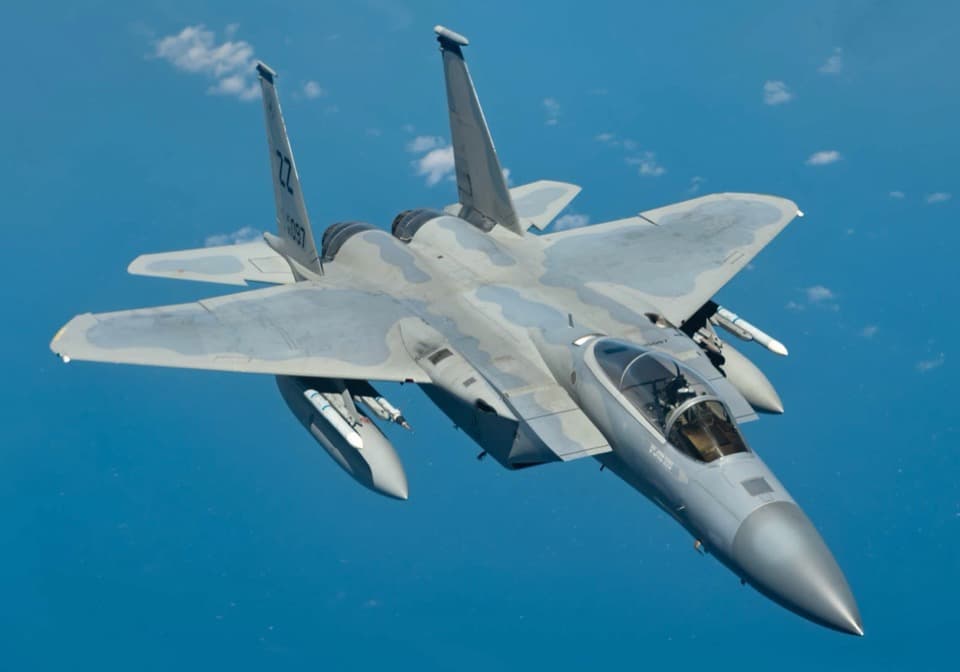
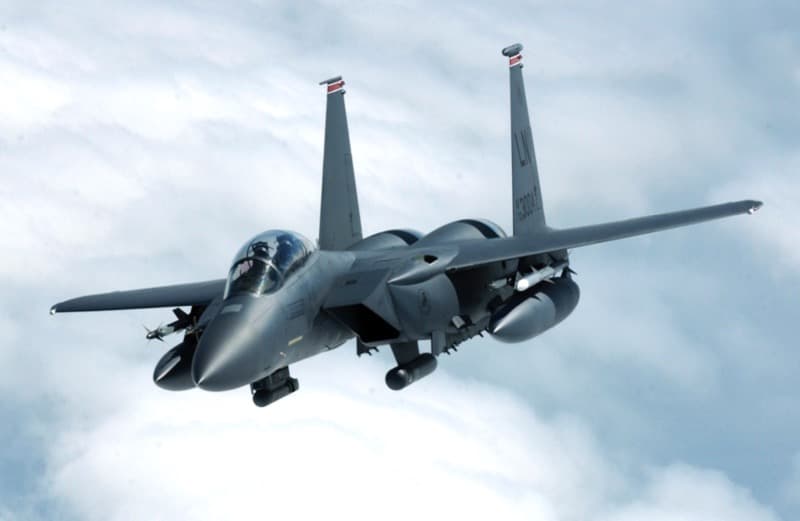
FLIGHT2.17.1Checklist
F-15C Eagle (BMS)FALCON BMS · Startup Checklist · 164 steps · 18 phases
PHS 1 - Pre-Flight Planning8 steps
| 01 | Mission BriefREVIEWEDNOTE: Review mission type, objectives, ROE, threat environment, timeline, and kill box assignments. | |
| 02 | Weather BriefingREVIEWEDNOTE: Check departure, area of operations, and recovery weather. Note icing levels and visibility. | |
| 03 | NOTAMs / AirspaceREVIEWEDNOTE: Check restricted areas, active MOAs, EMCON requirements, and any NOTAM restrictions. | |
| 04 | Fuel Planning - Bingo / JokerSETNOTE: Calculate bingo fuel (min to RTB) and joker fuel (leave target area). Twin-engine - fuel burn is high in AB. | |
| 05 | Stores / LoadoutVERIFIEDNOTE: Confirm AIM-120, AIM-9, and any external tanks match mission requirements. | |
| 06 | Data Transfer Module (DTM)LOADEDNOTE: Verify DTM contains correct steerpoints, threat data, radio frequencies, and IFF codes for the mission. DTM is the F-15C equivalent of the F-16 Data Cartridge. | |
| 07 | Radio Frequencies / IFFSETNOTE: Set UHF/VHF presets. Confirm IFF Mode 1/2/3/4 codes. Brief EMCON restrictions. | |
| 08 | Divert BasesIDENTIFIEDNOTE: Know nearest divert fields, runway lengths, and approach frequencies. |
PHS 2 - Electrical Power6 steps
| 01 | Battery SwitchONNOTE: Applies battery power. Essential bus and battery bus energise. | |
| 02 | CanopyCLOSE & LOCKCAUTION: Ensure canopy is fully latched before applying full electrical power. | |
| 03 | Emergency Vent HandleNORMAL (IN)NOTE: Verify emergency vent/canopy jettison handle is in the stowed/normal position. | |
| 04 | Oxygen SupplyONNOTE: Check oxygen quantity and flow. Diluter lever to 100% or NORM as required. | |
| 05 | Cockpit LightingSET AS REQUIREDNOTE: Set flood, console, instrument, and warning/caution lighting for conditions. | |
| 06 | Emergency GeneratorsCHECK OFFNOTE: Both emergency generator switches should be in the NORMAL position. |
PHS 3 - Avionics Power-Up9 steps
| 01 | Avionics Master SwitchONNOTE: Applies power to avionics buses. Allow ~60 seconds for systems to initialise. | |
| 02 | IFF PowerSTBYNOTE: Set IFF to STBY during startup - do not transmit on Mode 4 until aligned and ready. | |
| 03 | TACAN PowerT/RNOTE: Set TACAN to T/R mode. Set departure airfield channel. | |
| 04 | UHF RadioBOTH - PRESET SETNOTE: Select appropriate preset frequency for ground operations. | |
| 05 | VHF/UHF (IC)INTERCOM CHECKNOTE: Verify intercommunication system operational. | |
| 06 | Radar PowerSTBYNOTE: APG-63/70 to STBY. Allow radar to warm up during INS alignment. | |
| 07 | RWR PowerONNOTE: Radar Warning Receiver - power on. Verify display functioning. | |
| 08 | ECM PowerON (If equipped)NOTE: ALQ-135 internal ECM - power on and allow warm-up. | |
| 09 | Master ArmOFF |
PHS 4 - Before Engine Start8 steps
| 01 | ThrottlesCUTOFFWARNING: Both throttles must be in CUTOFF before engine start attempt. | |
| 02 | Ejection Seat Safety PinREMOVED (ARMED)CAUTION: Ensure area above and behind aircraft is clear before arming seat. | |
| 03 | Parking BrakeSET | |
| 04 | Wheel ChocksIN PLACE (Confirm with Crew Chief) | |
| 05 | Engine Fuel Control SwitchesMOTOR (Guard Up)NOTE: Both EFC switches - verify in MOTOR position for pre-start checks. | |
| 06 | Anti-Ice SwitchAS REQUIREDNOTE: Engine Anti-Ice switches - set based on temperature and moisture conditions. | |
| 07 | Fuel QuantityCHECKNOTE: Verify fuel quantity matches pre-flight plan. Check all tanks reading correctly. | |
| 08 | Fuel Control ModeNORMNOTE: Engine fuel control - normal operation mode. |
PHS 5 - Engine Start (JFS)14 steps
| 01 | JFS SwitchSTART (Hold until JFS Runs)NOTE: Jet Fuel Starter activates. Hold switch to START until JFS RUN light illuminates. | |
| 02 | JFS RUN LightILLUMINATEDNOTE: Confirm JFS running before advancing throttle. | |
| 03 | Right Engine Fuel ControlIDLENOTE: Advance right throttle over idle detent when JFS reaches operating speed. Start right engine first. | |
| 04 | Right Engine RPMRISING (~20-25%)CAUTION: If no light-off by 25% RPM, retard throttle to CUTOFF immediately. | |
| 05 | Right Engine FTITRISING (WATCH FOR HOT START)WARNING: If FTIT exceeds 980 C during start, immediately retard throttle to CUTOFF. | |
| 06 | Right Engine Oil PressureRISING WITHIN 10 SECWARNING: Shut down immediately if oil pressure does not rise within 10 seconds. | |
| 07 | Right Engine RPM at Idle~67-68% N2NOTE: Allow engine to stabilise at idle before starting left engine. | |
| 08 | Left Engine Fuel ControlIDLENOTE: Advance left throttle to IDLE. JFS provides cross-bleed to start left engine. | |
| 09 | Left Engine RPMRISING (~20-25%)CAUTION: Monitor FTIT - same hot start limits apply to left engine. | |
| 10 | Left Engine Oil PressureRISING WITHIN 10 SECWARNING: Shut down left engine immediately if oil pressure does not rise. | |
| 11 | Left Engine RPM at Idle~67-68% N2NOTE: Allow both engines to stabilise at idle. | |
| 12 | JFS SwitchOFF (Auto - Verify)NOTE: JFS should auto-disengage. Verify JFS RUN light extinguishes. | |
| 13 | Generator Switches (Both)PWR (ON)NOTE: Set both engine-driven generator switches to PWR. AC/DC buses come online. | |
| 14 | External PowerDISCONNECT (If Used)NOTE: Signal ground crew to disconnect external power once generators are online. |
PHS 6 - Post-Start Checks9 steps
| 01 | Caution / Warning LightsALL CLEARNOTE: Address any remaining caution or warning lights before proceeding. | |
| 02 | Hydraulic Pressure (Systems A & B)2,850-3,000 PSICAUTION: Do not move flight controls until both hydraulic systems show normal pressure. | |
| 03 | Engine Instruments - RightIN LIMITSNOTE: Verify RPM ~67-68%, FTIT stable, oil pressure 40-80 PSI, nozzle position normal. | |
| 04 | Engine Instruments - LeftIN LIMITSNOTE: Verify RPM ~67-68%, FTIT stable, oil pressure 40-80 PSI, nozzle position normal. | |
| 05 | Fuel Quantity IndicatorsCROSS-CHECK ALL TANKSNOTE: Verify internal fuel and CFT (Conformal Fuel Tank) quantities if fitted. | |
| 06 | AltimeterSET QNH / FIELD ELEVATIONNOTE: Set barometric altimeter. Verify reads within 75 ft of field elevation. | |
| 07 | ADI / Attitude ReferenceERECTED AND STABLE | |
| 08 | Airspeed IndicatorZERO | |
| 09 | Flight ControlsCHECK FREE & CORRECTNOTE: Full deflection check - stick fore/aft, left/right; rudder left/right. Check FCS response. |
PHS 7 - INS / Navigation Alignment7 steps
| 01 | INS Mode SelectorALIGNNOTE: Switch INS to ALIGN mode to begin full gyro alignment. Full alignment takes 8-10 minutes. | |
| 02 | Present Position (LAT/LONG)ENTERED / VERIFIEDNOTE: Ensure ramp coordinates are entered or loaded from DTM. Verify on INS display. | |
| 03 | Data Transfer Module (DTM)INSERT & LOADNOTE: Insert DTM into the DTC (Data Transfer Cartridge) slot. Load steerpoints, threat data, and radio presets. | |
| 04 | SteerpointsVERIFY COORDINATESNOTE: Cycle through key steerpoints on HSD. Confirm they match briefed coordinates. | |
| 05 | IFF CodesLOADED FROM DTMNOTE: Verify Mode 1, Mode 2, and Mode 4 codes loaded correctly. Confirm with wingman. | |
| 06 | TACAN ChannelSET FOR DEPARTURENOTE: Set TACAN to departure airfield channel for post-takeoff navigation. | |
| 07 | INS Alignment StatusALIGNED (READY FOR NAV)NOTE: Wait for INS ALIGN light to extinguish or alignment status to show READY. Do not taxi until aligned. |
PHS 8 - Weapons & Sensors8 steps
| 01 | Weapons LoadVERIFY ON ARMAMENT PANELNOTE: Check armament panel - verify all loaded stations indicated correctly (AIM-120, AIM-9, gun). | |
| 02 | Master ArmSAFENOTE: Confirm Master Arm remains in SAFE during ground operations. | |
| 03 | APG-63/70 RadarON / BIT PASSNOTE: Switch radar from STBY to ON. Complete radar BIT. Verify APG-63/70 operating normally. | |
| 04 | Radar ModeRWS (Range While Search)NOTE: Set initial radar mode to RWS for departure. Switch to appropriate mode per mission. | |
| 05 | AIM-120 AMRAAMMISSILES CHECKED (if loaded)NOTE: Verify AIM-120 stations show ready on armament display. | |
| 06 | AIM-9 SidewinderUNCAGED / TONE CHECKNOTE: Verify AIM-9 seeker growl present when uncaged. Recage for taxi. | |
| 07 | Gun SystemLOADED / SAFENOTE: M61A1 Vulcan 20mm - verify rounds loaded. Gun switch SAFE. | |
| 08 | TEWS (Tactical Electronic Warfare)ACTIVE / PROGRAMS SETNOTE: Set chaff and flare programs per threat briefing. Verify RWR display active. |
PHS 9 - Before Taxi9 steps
| 01 | Radar AltimeterON, LOW ALT WARNING SETNOTE: Set low altitude warning appropriate for departure (200-300 ft typical). | |
| 02 | IFF MasterNORMNOTE: IFF from STBY to NORM once cleared by ATC. Mode 4 active. | |
| 03 | LightsAS REQUIREDNOTE: Navigation lights ON. Anti-collision light ON. Taxi light ON for taxiing. | |
| 04 | Speed BrakesCLOSED | |
| 05 | FlapsAUTONOTE: F-15C uses automatic leading/trailing edge flaps. Verify in AUTO mode. | |
| 06 | TrimSET FOR TAKEOFFNOTE: Longitudinal trim - set to takeoff position (approximately neutral). | |
| 07 | Seat / HarnessADJUSTED AND LOCKED | |
| 08 | Parking BrakeRELEASE (When cleared to taxi) | |
| 09 | Nose Wheel SteeringENGAGED |
PHS 10 - Taxi6 steps
| 01 | BrakesCHECK (Initial roll)CAUTION: Test brake effectiveness at slow speed before committing to taxi. | |
| 02 | ThrottlesADVANCE TO TAXI POWERNOTE: High idle may be sufficient on smooth taxiway. Avoid high power near ground personnel. | |
| 03 | Engine InstrumentsIN LIMITS DURING TAXI | |
| 04 | ADI / AttitudeWINGS LEVEL CONFIRMED | |
| 05 | AltimeterRECHECK FIELD ELEVATION | |
| 06 | Hot Pit Refuelling (If required)COMPLETE BEFORE ARMING AREA |
PHS 11 - Before Takeoff12 steps
| 01 | EnginesRUN-UP CHECK TO 80% RPMNOTE: Hold brakes and advance throttles to ~80% RPM. Verify engine instruments stable. | |
| 02 | FTIT (Both Engines)WITHIN LIMITSNOTE: Fanjet Turbine Inlet Temp - should be below 935 C at military power. | |
| 03 | Oil Pressure (Both)40-80 PSI | |
| 04 | Hydraulic Pressure (A & B)2,850-3,000 PSI | |
| 05 | RadarON / MODE SETNOTE: Confirm radar is active and set to appropriate departure mode. | |
| 06 | IFFNORM / MODE 4 ACTIVE | |
| 07 | Master ArmSAFE (ARM when cleared for weapons) | |
| 08 | Speed BrakesCLOSED | |
| 09 | FlapsAUTO - VERIFY TRAILING EDGE POSITIONNOTE: At low speed on ground, check trailing edge flaps are in takeoff position. | |
| 10 | Fuel QuantityRECHECK / BINGO SETNOTE: Confirm bingo fuel value entered in UFC / set on fuel panel. | |
| 11 | CanopyCLOSED & LOCKEDWARNING: Never attempt takeoff with canopy unlocked. | |
| 12 | Ejection SeatARMED |
PHS 12 - Takeoff8 steps
| 01 | BrakesHOLD (Full brake application)NOTE: Hold brakes while advancing throttles. | |
| 02 | ThrottlesMILITARY POWER (Then AB)NOTE: Advance to MIL power first, check engine instruments, then light afterburners if required. | |
| 03 | Afterburner CheckBOTH ZONES LIGHTINGCAUTION: Verify both AB zones light symmetrically. Abort if asymmetric or no AB. | |
| 04 | BrakesRELEASENOTE: Release brakes when both engines are at required power. | |
| 05 | Airspeed IndicatorALIVE (CHECK ON ROLL) | |
| 06 | Rotate~130-145 KIASNOTE: Rotate smoothly at approximately 130-145 KIAS depending on fuel and stores load. | |
| 07 | Positive Rate of ClimbGEAR UPCAUTION: Confirm positive climb rate on VSI before raising gear. | |
| 08 | Landing GearUP (< 250 KIAS)NOTE: Gear lever UP once positive climb is confirmed. |
PHS 13 - After Takeoff / Climb9 steps
| 01 | GearUP AND INDICATING | |
| 02 | AfterburnerAS REQUIRED (Reduce to MIL for fuel economy)NOTE: Pull out of AB once safely airborne and gear is up unless performance required. | |
| 03 | Speed BrakesCLOSED / CHECK | |
| 04 | Climb Speed350 KIAS (MIL POWER)NOTE: Accelerate to 350 KIAS for military power climb schedule. | |
| 05 | ATC / DepartureCHECK IN / SQUAWK AS ASSIGNED | |
| 06 | RadarACTIVE / RWS or TWSNOTE: Switch to appropriate radar mode for the mission profile. | |
| 07 | RWRMONITORNOTE: Radar Warning Receiver - monitor for threat emissions post-takeoff. | |
| 08 | Fuel CheckVERIFY FLOW RATENOTE: Check fuel quantity and flow. Ensure all tanks transferring correctly. | |
| 09 | Pressurisation / EnvironmentalCHECKNOTE: Verify cabin pressurisation and oxygen flow at altitude. |
PHS 14 - Cruise / Transit7 steps
| 01 | Throttles80-85% RPM (Cruise Power)NOTE: Reduce to cruise power for fuel economy. Monitor fuel flow. | |
| 02 | AltitudeAS BRIEFED (Cruise FL)NOTE: Maintain briefed cruise altitude. F-15C typically transits at medium-high altitude for range. | |
| 03 | Radar ModeRWS or TWS AS REQUIREDNOTE: Select appropriate radar search mode for transit. Balance detection vs. emissions. | |
| 04 | EMCONAS BRIEFEDNOTE: Emissions control - restrict radar/radio use if mission EMCON plan requires. | |
| 05 | Fuel StatusMONITOR - CHECK JOKERNOTE: Periodically check fuel against bingo/joker plan. Transfer tanks as required. | |
| 06 | Navigation / SteerpointsCYCLE AND VERIFYNOTE: Cross-check HSD position with TACAN and visual references where possible. | |
| 07 | TEWS / RWRMONITOR FOR THREATS |
PHS 15 - Descent / Approach8 steps
| 01 | FuelRECHECK - ABOVE BINGONOTE: Confirm fuel sufficient for approach and landing. Do not descend below bingo. | |
| 02 | ATIS / WeatherOBTAINNOTE: Get destination ATIS or weather update before commencing approach. | |
| 03 | AltimeterSET QNH (Destination) | |
| 04 | ILS / TACAN ApproachSET / TUNENOTE: Set ILS frequency or TACAN channel for recovery airfield approach. | |
| 05 | Radar AltimeterON / LOW ALT WARNING SET | |
| 06 | Radar ModeSTBY (If EMCON) or OFFNOTE: Reduce radar emissions near friendly airfield unless air threat exists. | |
| 07 | Speed BrakesAS REQUIRED FOR DESCENTNOTE: Deploy speed brakes to increase descent rate while controlling airspeed. | |
| 08 | Descent Speed300-350 KIAS CLEANNOTE: Initiate descent at 300-350 KIAS clean. Slow to pattern speed on final. |
PHS 16 - Landing12 steps
| 01 | IFFNORM / CODES ACTIVENOTE: Ensure IFF transmitting for recovery airfield identification. | |
| 02 | Landing GearDOWN (< 250 KIAS)NOTE: Select gear DOWN at or below 250 KIAS. Verify 3 green. | |
| 03 | Landing Gear Indication3 GREENWARNING: Do not land without 3 green gear indication. Declare emergency if not confirmed. | |
| 04 | Speed BrakesCLOSED FOR LANDING | |
| 05 | FlapsAUTO - VERIFY FULL DOWN POSITIONNOTE: Auto flaps system commands full trailing edge down for landing. | |
| 06 | Approach Speed155-165 KIAS (CLEAN WEIGHT DEP.)NOTE: Approach speed depends on fuel and store weight. On-speed AOA targeting. | |
| 07 | AOA IndexerON-SPEED (CHECK BRACKET)NOTE: Use AOA indexer for on-speed indication. Target the centre/on-speed bracket. | |
| 08 | Master ArmSAFE | |
| 09 | TouchdownSMOOTH - MAIN GEAR FIRSTNOTE: Grease the main gear on, then gently lower nose. Full stab trim authority maintained. | |
| 10 | Anti-Skid BrakingAPPLY AFTER NOSEWHEEL DOWNCAUTION: Do not apply heavy braking until nosewheel is on the runway. | |
| 11 | Drag Chute (If required)DEPLOY AT ~175 KIASNOTE: F-15C is not equipped with a drag chute - use anti-skid braking and aerodynamic braking. | |
| 12 | Nose High Aerodynamic BrakingHOLD 10-12 DEG AOA UNTIL ~100 KIASNOTE: Hold slight nose-high attitude after touchdown to use aerodynamic drag for deceleration. |
PHS 17 - After Landing9 steps
| 01 | Speed BrakesCLOSED | |
| 02 | FlapsAUTO (Check retracting) | |
| 03 | Landing GearDOWN (Leave DOWN - Verify) | |
| 04 | IFFSTBYNOTE: Set IFF to STBY after clearing active runway. | |
| 05 | RadarSTBY or OFFNOTE: Reduce radar emissions on the ground. | |
| 06 | Master ArmSAFE / OFF | |
| 07 | LightsTAXI LIGHT ON / LANDING LIGHT OFFNOTE: Switch to taxi lighting configuration for ground movement. | |
| 08 | Fuel QuantityNOTE AND REPORTNOTE: Record fuel state for debrief. Check against bingo/joker planning. | |
| 09 | BrakesNORMAL OPERATIONNOTE: Monitor brake temperature if heavy braking was used. Taxi slowly if hot. |
PHS 18 - Shutdown15 steps
| 01 | Parking BrakeSET | |
| 02 | Wheel ChocksIN PLACE (Signal Crew Chief) | |
| 03 | AvionicsOFF (All Systems) | |
| 04 | RadarOFF | |
| 05 | ECM / RWROFF | |
| 06 | IFFOFF | |
| 07 | Master ArmOFF | |
| 08 | Left ThrottleCUTOFFNOTE: Retard left throttle to CUTOFF to shut down left engine. | |
| 09 | Right ThrottleCUTOFFNOTE: Retard right throttle to CUTOFF to shut down right engine. | |
| 10 | Engine ShutdownBOTH RPM DECREASINGNOTE: Monitor both engines spooling down. Allow full spool-down before moving. | |
| 11 | Oxygen SupplyOFF | |
| 12 | Battery SwitchOFFNOTE: Master battery off - cockpit goes dark. | |
| 13 | Ejection Seat Safety PinINSTALLED (SAFE)CAUTION: Re-install seat safety pin before exiting cockpit. | |
| 14 | CanopyOPENNOTE: Open canopy after engines are fully stopped and crew chief gives the all-clear. | |
| 15 | Post-Flight InspectionCOMPLETE WITH CREW CHIEFNOTE: Walk around aircraft with crew chief. Note any discrepancies for maintenance debrief. |