Boeing 737 MAX 8 (iFly) Startup Checklist
Boeing 737 MAX 8 (iFly) Startup Notes
The iFly MAX follows the classic Boeing flow but rewards doing it in order: battery, ground or APU power, then IRS switches to NAV early, because alignment takes several minutes and needs a position entered through the FMC. FMC setup runs POS INIT, ROUTE, PERF INIT, then N1 LIMIT and TAKEOFF ref. For engine start you want APU bleed on, packs off, and the isolation valve open, then start switch to GRD and the fuel lever to idle at 25 percent N2. The LEAP-1B spools slowly, so starts feel long.
The classic MAX mistakes are all bleed related: starting with the packs on, forgetting APU bleed, or flipping the start switch before duct pressure is up, all of which produce a weak or hung start. On the FMC side, pilots skip PERF INIT and then wonder why there are no V-speeds or N1 limits at the runway. And be patient with the LEAP-1B: fuel goes in at 25 percent N2, not the moment the motor starts turning.
Common mistakes
- Starting engines with the packs still on
- Forgetting APU bleed before engaging the start switch
- Introducing fuel before N2 reaches 25 percent
Related Aircraft
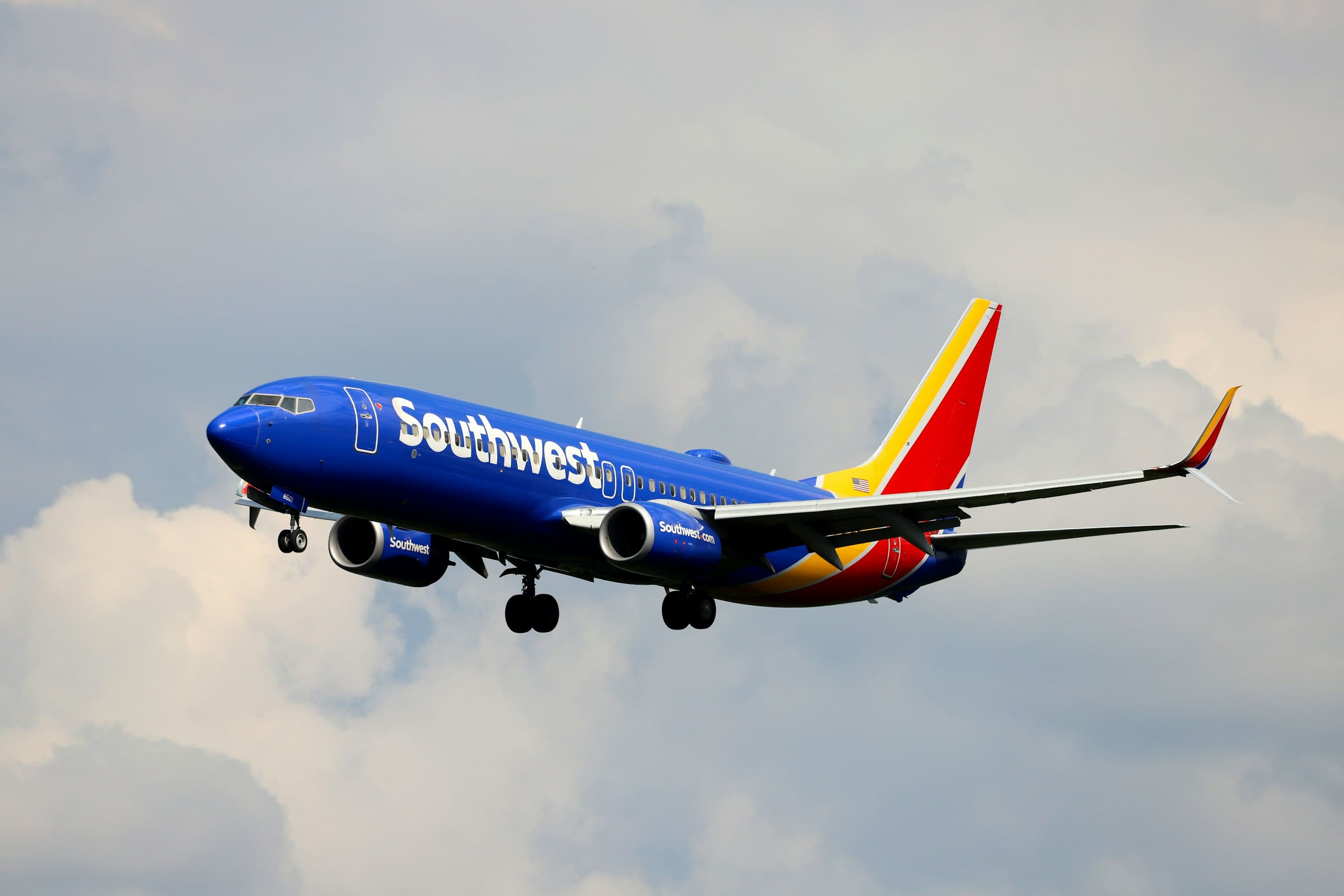

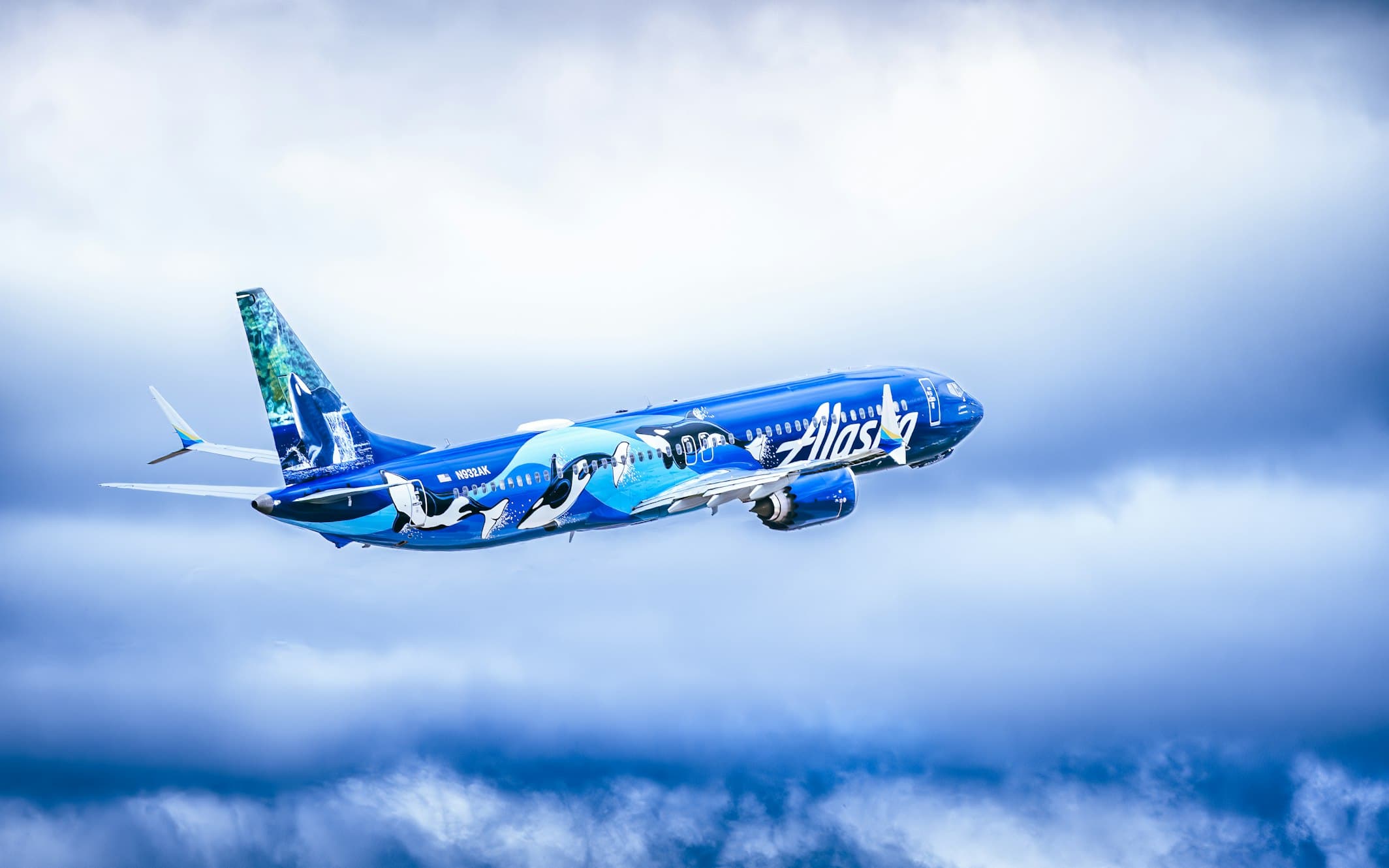

| 01 | Weather Briefing (METAR / TAF / SIGMET)REVIEWEDNOTE: Check departure, enroute, destination, and alternate weather. | |
| 02 | NOTAMsREVIEWEDNOTE: Check for runway closures, navigation aid outages, and airspace restrictions. | |
| 03 | Operational Flight PlanREVIEWEDNOTE: Route, fuel, winds, and alternates. On the line this is the dispatch release plus the performance/weight and balance (PWB) message the Before Push and Departure Plan checklists call for. | |
| 04 | Fuel PlanningVERIFIEDNOTE: Taxi, trip, contingency, alternate, and final reserve. The Before Takeoff checklist requires minimum takeoff fuel to be verified against the release. | |
| 05 | Weight and Balance / LoadsheetWITHIN LIMITSNOTE: Zero fuel weight and gross weight are set and crosschecked on the Before Push checklist. | |
| 06 | SID / STAR / Approach ReviewBRIEFEDNOTE: Review the departure and the expected arrival and approach, including transition altitude and transition level. | |
| 07 | MEL / CDL ItemsCHECKEDNOTE: Review any Minimum Equipment List or Configuration Deviation List items and their operational restrictions. | |
| 08 | Takeoff PerformanceCALCULATEDNOTE: Runway, flap setting, N1s (reduced or MAX), V speeds, stab trim, and minimum cleanup altitude. All of these are set and read back on the Before Push / Departure Plan checklist. Takeoff flap settings authorized by the operator are 1, 5, 10, 15 and 25; flaps 2 is not authorized for takeoff (Southwest B737 AOM Table 3.18). | |
| 09 | Minimum Dispatch Oil QuantityCHECKEDNOTE: Departure from a non-maintenance station requires 66 percent; from a maintenance base, 70 percent. Arrange oil servicing when terminating at a non-maintenance station below 70 percent. Low oil quantity alerts may be seen during initial takeoff and climb below 70 percent. |
| 01 | Battery SwitchON, GUARD CLOSEDCAUTION: Do not move the airplane until the Integrated Standby Flight Display alignment is complete.NOTE: First action in a cold and dark flight deck. Powers the DC standby buses and the standby instruments. | |
| 02 | Standby Power SwitchAUTO, GUARD CLOSED | |
| 03 | Alternate Flaps Master SwitchOFF, GUARD CLOSED | |
| 04 | Windshield Wiper SelectorsPARK | |
| 05 | Electric Hydraulic PumpsOFF | |
| 06 | Landing Gear LeverDOWNNOTE: Verify the green landing gear indicator lights are illuminated and the red lights are extinguished. | |
| 07 | Ground Power (if external power is needed)AVAILABLE LIGHT ON, SWITCH ONNOTE: Verify the SOURCE OFF, TRANSFER BUS OFF and STANDBY PWR OFF lights are extinguished. | |
| 08 | Engine No. 1, APU and Engine No. 2 Fire SwitchesINNOTE: Checked before APU power is selected. | |
| 09 | Overheat Detector SwitchesNORMAL | |
| 10 | Fire and Overheat TestFAULT/INOP, THEN OVHT/FIRECAUTION: Alert ground personnel before the test. Do not operate the APU if the APU DET INOP light fails to illuminate.NOTE: Hold to FAULT/INOP: MASTER CAUTION, OVHT/DET and FAULT lights illuminate. Hold to OVHT/FIRE: bell sounds and the master FIRE WARN lights illuminate. | |
| 11 | Extinguisher Test SwitchTEST 1 AND 2, THREE GREEN LIGHTSNOTE: Hold to position 1, verify three green lights, release, then repeat for position 2. | |
| 12 | APU SwitchSTART, THEN ONWARNING: Verify the APU exhaust area is clear before starting.NOTE: Spring loaded to ON. This is the item the challenge-response card assumes is already done. | |
| 13 | APU Generator Bus SwitchesONNOTE: Selected when the APU GEN OFF BUS light illuminates. Verify the APU DOOR, LOW OIL PRESSURE, FAULT and OVERSPEED lights are extinguished. | |
| 14 | Wheel Well Fire Detection SystemTESTEDNOTE: Done once AC power is established. Hold the test switch to OVHT/FIRE and verify the WHEEL WELL light illuminates. |
| 01 | IRS Mode SelectorsOFF, THEN NAVNOTE: A full alignment is recommended before each flight. ON DC lights illuminate then extinguish, ALIGN lights illuminate. Keep the airplane stationary. | |
| 02 | Yaw Damper SwitchONNOTE: Selected a few seconds after starting a full IRS alignment. Verify the YAW DAMPER light is extinguished. | |
| 03 | Oxygen, Hydraulic and Engine Oil QuantitiesSUFFICIENT FOR FLIGHT | |
| 04 | Maintenance Documents and Aircraft ManualsCHECKED | |
| 05 | Emergency EquipmentCHECKED AND STOWEDNOTE: Fire extinguisher, crash axe, escape ropes, life vests and protective breathing equipment. | |
| 06 | ELT SwitchGUARD CLOSEDNOTE: Verify the ELT light is extinguished. | |
| 07 | Elevator Jam Landing Assist SwitchGUARD CLOSEDNOTE: MAX 8 only. Not fitted to the NG. | |
| 08 | MAINT LightEXTINGUISHED | |
| 09 | Service Interphone SwitchOFF | |
| 10 | Engine PanelEEC SWITCHES ONNOTE: Verify the REVERSER COMMAND, REVERSER AIR/GRD, REVERSER LIMITED and ENGINE CONTROL lights are extinguished, and the ALTERNATE lights are extinguished. | |
| 11 | Passenger Oxygen SwitchGUARD CLOSEDCAUTION: Activating the PASSENGER OXYGEN switch deploys the passenger oxygen masks. | |
| 12 | Flight Recorder SwitchGUARD CLOSED | |
| 13 | Mach Airspeed Warning Test SwitchesPUSH ONE AT A TIME, CLACKER SOUNDS | |
| 14 | Stall Warning Test SwitchesPUSH AND HOLD ONE AT A TIMENOTE: Each control column must vibrate. The test needs the AC transfer buses powered for up to 4 minutes. | |
| 15 | Circuit Breakers (P6 and P18 Panels)CHECKEDNOTE: Check carefully after maintenance action or an overnight, when breakers may be found pulled. |
| 01 | Flight Control SwitchesGUARDS CLOSEDNOTE: Verify the flight control LOW PRESSURE lights are illuminated. | |
| 02 | Flight Spoiler SwitchesGUARDS CLOSEDNOTE: Verify the SPOILERS light is extinguished on the MAX. | |
| 03 | Alternate Flaps Position SwitchOFFNOTE: Verify the FEEL DIFF PRESS, SPEED TRIM FAIL, MACH TRIM FAIL and AUTO SLAT FAIL lights are extinguished. | |
| 04 | Navigation and Displays PanelsNORMAL, SOURCE AUTONOTE: VHF NAV transfer, IRS transfer and FMC source select to NORMAL; display SOURCE to AUTO and CONTROL PANEL to NORMAL. | |
| 05 | Fuel Crossfeed SelectorCLOSEDNOTE: Verify the VALVE OPEN light is extinguished and the ENG VALVE CLOSED and SPAR VALVE CLOSED lights are dim. | |
| 06 | Fuel Pump SwitchesOFFNOTE: Main tank LOW PRESSURE lights illuminated at this stage. The pumps go ON in the Before Start flow. | |
| 07 | Electrical PanelSETNOTE: CAB/UTIL, IFE/PASS SEAT and GALLEY power ON. Standby power, battery, generator drive disconnect and bus transfer guards closed. | |
| 08 | Equipment Cooling SwitchesNORM | |
| 09 | Emergency Exit Lights SwitchARMED, GUARD CLOSEDNOTE: Verify the NOT ARMED light is extinguished. | |
| 10 | Passenger SignsNO SMOKING ON, FASTEN BELTS OFF | |
| 11 | Window Heat SwitchesONNOTE: Position ON at least 10 minutes before takeoff. | |
| 12 | Probe Heat SwitchesAUTONOTE: Verify all lights are illuminated. | |
| 13 | Wing and Engine Anti-Ice SwitchesOFFNOTE: Verify the L VALVE, R VALVE, ENG ANTI-ICE, COWL ANTI-ICE and COWL VALVE lights are extinguished. | |
| 14 | Hydraulic PanelENGINE PUMPS ON, ELECTRIC PUMPS OFFNOTE: LOW PRESSURE lights illuminated with the engines not running. | |
| 15 | Air Conditioning PanelSETCAUTION: With both the APU bleed and the engine bleeds open the DUAL BLEED light illuminates. Thrust must be limited to idle with DUAL BLEED illuminated.NOTE: Trim air ON, recirculation fans AUTO, packs as required, isolation valve OPEN, engine bleeds ON, APU bleed ON or OFF. | |
| 16 | Cabin Pressurization PanelMODE SELECTOR AUTONOTE: Verify the AUTO FAIL and OFF SCHED DESCENT lights are extinguished. Flight and landing altitudes are set on the Before Start card. | |
| 17 | Lighting PanelLANDING, TURNOFF, TAXI OFF | |
| 18 | Ignition Select SwitchIGN L OR IGN RNOTE: Alternate the position on subsequent starts. Consider BOTH for the first flight of the day above 2,000 ft with temperature below 5 degC. | |
| 19 | Engine Start SwitchesOFF | |
| 20 | OxygenTESTED AND SET, 100%NOTE: Crew oxygen pressure must not decrease more than 100 psi during the test, and the yellow cross must clear when the test is released. | |
| 21 | ClockSET, UTC | |
| 22 | Display Select PanelPFD/MFD NORMAL | |
| 23 | Takeoff Config and Cabin Altitude LightsEXTINGUISHED | |
| 24 | Disengage Light Test SwitchHOLD TO 1, THEN 2NOTE: Position 1 gives steady amber A/P, A/T and FMC lights. Position 2 gives steady red A/P and A/T with amber FMC. | |
| 25 | Ground Proximity PanelGUARDS CLOSED, INOP EXTINGUISHEDNOTE: FLAP, GEAR and TERRAIN inhibit switches guarded. | |
| 26 | Mode Control Panel and EFISSETNOTE: Courses set, flight director ON (pilot flying first), minimums and barometric references set, mode selector to MAP. | |
| 27 | Flight InstrumentsCHECKEDNOTE: Checked after IRS alignment is complete. Only TCAS OFF, NO VSPD and expected RMI flags may show. | |
| 28 | Nose Wheel Steering SwitchGUARD CLOSED | |
| 29 | Fuel Flow SwitchRESET, THEN RATE | |
| 30 | Hydraulic Brake Pressure IndicatorCHECKEDNOTE: An indication in the amber band is normal with hydraulic system B not pressurized. | |
| 31 | Speed Brake LeverDOWN DETENTNOTE: Verify the SPEED BRAKE ARMED, DO NOT ARM and EXTENDED lights are extinguished. | |
| 32 | Reverse and Forward Thrust LeversDOWN, CLOSED | |
| 33 | Flap LeverSET TO AGREE WITH FLAP POSITION | |
| 34 | Engine Start LeversCUTOFF | |
| 35 | Stabilizer Trim Cutout SwitchesNORMAL | |
| 36 | Stabilizer Trim Override SwitchGUARD CLOSED | |
| 37 | Radio Tuning Panel and NAV RadiosSET FOR DEPARTUREWARNING: Do not key the HF radio while the airplane is being fueled. Injury to personnel or fire can occur. | |
| 38 | Weather Radar Control PanelSET | |
| 39 | Seat, Rudder Pedals, HarnessADJUSTEDNOTE: Adjust the seat for optimum eye reference and verify a positive fore and aft seat lock. |
| 01 | IDENT PageMODEL, ENG RATING, NAV DATA VERIFIEDNOTE: Confirm the navigation database ACTIVE date range is current. | |
| 02 | POS INIT PagePRESENT POSITION SETNOTE: Enter the most accurate latitude and longitude on the SET IRS POS line. | |
| 03 | RTE PageORIGIN, ROUTE, FLIGHT NUMBER ENTEREDNOTE: Activate and execute the route. | |
| 04 | DEPARTURES PageRUNWAY AND SID SELECTED, EXECUTED | |
| 05 | LEGS PageVERIFIED AGAINST THE CLEARANCENOTE: Verify the correct RNP for the departure as needed. | |
| 06 | PERF INIT Page - Zero Fuel WeightENTEREDCAUTION: Do not enter the ZFW into the GW boxes. The FMC will calculate performance data with significant errors. | |
| 07 | PERF INIT Page - Fuel and Gross WeightCROSSCHECKEDNOTE: Fuel on the CDU, the dispatch papers and the fuel quantity indicators must agree. Verify gross weight and cruise CG against the papers. | |
| 08 | N1 LIMIT PageTAKEOFF AND CLIMB THRUST SELECTEDNOTE: Confirm the OAT is reasonable, then select assumed temperature, fixed derate, or both, plus climb derate as needed. | |
| 09 | TAKEOFF REF Page - CG and TrimCG ENTERED, TRIM SHOWNNOTE: Make the entries on page 2/2 before page 1/2. | |
| 10 | TAKEOFF REF Page - V Speeds and HeightsV SPEEDS, ACCEL HEIGHT, THRUST REDUCTION SETNOTE: Also verify or enter the engine out acceleration height, then verify the preflight is complete. |
| 01 | OxygenCHECKED, 100%, R,LNOTE: Both crew masks checked and the regulators set to 100 percent. | |
| 02 | Transfer SwitchesNORMAL | |
| 03 | Seat BeltON | |
| 04 | Window HeatON | |
| 05 | PressurizationAUTO, SET FOR LANDING ALTITUDENOTE: The checklist reads 'AUTO, Set for ____' - the blank is the destination landing altitude. | |
| 06 | MCPHEADING AND ALTITUDE SETNOTE: Marked as a re-accomplish item: if the departure clearance changes, redo the relevant part of the departure setup and briefing and then redo this item. | |
| 07 | AltimeterSET, ACCELERATION HEIGHT SETNOTE: Both altimeters set, plus the acceleration height. Re-accomplish item. | |
| 08 | Terrain DisplayON | |
| 09 | Auto BrakeRTOCAUTION: Autobrake RTO is the takeoff setting. It is taken to OFF on the After Takeoff checklist. | |
| 10 | FMC RouteVERIFIED R,LNOTE: Both CDUs independently verified against the clearance. Re-accomplish item. | |
| 11 | Parking BrakeSET | |
| 12 | Rudder, Aileron TrimFREE, ZERO |
| 01 | Ice CheckCOMPLETE / NOT REQUIRED | |
| 02 | FuelPUMPS ON, QUANTITY REQUIRED CONFIRMEDNOTE: The card reads 'Fuel ____ Pumps ON, ____, ____ Req'd' - fuel on board is compared against the required figure. | |
| 03 | Maintenance LogABOARD, REVIEWED | |
| 04 | Doors, WindowsCLOSED, LOCKED | |
| 05 | TCAS, TransponderSET, ON | |
| 06 | Anti-CollisionONNOTE: Anti-collision lights on before the engines are turned. |
| 01 | Secondary Engine IndicationsDISPLAYED | |
| 02 | Start ClearanceOBTAINEDNOTE: Clearance to pressurize the hydraulic systems and to start the engines. | |
| 03 | Start SequenceANNOUNCED | |
| 04 | Air Conditioning Pack SwitchesOFF | |
| 05 | APU Bleed Air SwitchON | |
| 06 | Engine Start Switch (first engine)GRDNOTE: Each start attempt is limited to 2 minutes of starter usage, with a minimum of 10 seconds between attempts. | |
| 07 | N2 RPMINCREASING | |
| 08 | MOTORING IndicationBLANKNOTE: MAX 8 only. Open the start lever only after the MOTORING indication on the N2 indicator blanks. | |
| 09 | Engine Start LeverIDLE DETENT AT 25% N2WARNING: Do not move the start lever to IDLE early or a hot start can occur. Keep a hand on the lever until the engine is stable.NOTE: If 25% N2 is not possible, at maximum motoring and a minimum of 20% N2. Maximum motoring is N2 acceleration of less than 1% in about 5 seconds. | |
| 10 | Fuel Flow and EGTMONITOREDWARNING: Abort the start if EGT does not rise within 10 seconds, if it nears the start limit, or if N1/N2 does not increase after EGT rises. | |
| 11 | Engine Start SwitchOFF AT 63% N2NOTE: Starter cutout on the LEAP-1B is 63% N2. Move the switch to OFF manually if it does not cut out, and verify the START VALVE OPEN alert extinguishes. | |
| 12 | Engine ParametersSTABLE AT IDLENOTE: Monitor N1, N2, EGT, fuel flow and oil pressure while the engine accelerates to a stable idle. | |
| 13 | Second EngineSTARTCAUTION: Do not re-engage the ENGINE START switch until engine RPM is below 20% N2.NOTE: Started only after the first engine is stable at idle. |
| 01 | Start SwitchesONWARNING: Ignition must be on for takeoff and landing (AFM limitation). | |
| 02 | ElectricalGENERATORS ON | |
| 03 | APUON / OFFNOTE: Left on or shut down according to the bleed and electrical configuration selected for departure. | |
| 04 | Probe HeatON | |
| 05 | Anti-IceON / OFF | |
| 06 | Packs, BleedsPACKS AUTO, BLEEDS SETCAUTION: The APU bleed valve must be closed when ground air is connected and the isolation valve is open, when engine bleed valve 1 is open, or when the isolation valve and engine bleed valve 2 are open. Thrust must be limited to idle with the DUAL BLEED light illuminated. | |
| 07 | RecallCHECKEDNOTE: Press RECALL and review the master caution annunciator panel. |
| 01 | Ground Equipment and PersonnelCLEARNOTE: Verify the tow bar is disconnected and the nose gear steering lockout pin is removed. | |
| 02 | Isolation Valve SwitchAUTO | |
| 03 | Engine Bleed Air SwitchesON | |
| 04 | APU Bleed Air SwitchOFF | |
| 05 | APU SwitchOFF | |
| 06 | Engine Start SwitchesCONT | |
| 07 | FlapsSET FOR TAKEOFFNOTE: Set on the captain's command. Verify the LE FLAPS EXT green light is illuminated. | |
| 08 | Flight ControlsCHECKEDNOTE: Slow, deliberate inputs one direction at a time. Hold the nose wheel steering wheel during the rudder check to prevent nose wheel movement. | |
| 09 | Transponder Mode SelectorXPNDR | |
| 10 | Taxi ClearanceOBTAINEDNOTE: Taxi and runway turnoff lights ON, parking brake released. |
| 01 | PACOMPLETE | |
| 02 | Flight ControlsTOPS, BOTTOMSNOTE: Full and free travel checked to the stops in both directions. | |
| 03 | FMC, FlapsSET, GREEN LIGHTNOTE: Flap setting agrees between the CDU, the indicator and the green LE DEVICES EXT light. Re-accomplish item. | |
| 04 | Takeoff DataSET, RUNWAY CONFIRMEDNOTE: Re-accomplish item. | |
| 05 | V2SETNOTE: Re-accomplish item. | |
| 06 | Engine Stabilization3 MINUTES AT IDLENOTE: Prior to applying takeoff thrust, operate the engines at or near idle after rollback for a minimum of 3 minutes on the MAX. On the first flight of the day, a minimum of 5 minutes is required. | |
| 07 | Oil Temperature31 degC MINIMUMNOTE: After starting, an oil temperature rise to at least 31 degC must be indicated before takeoff thrust is set. This is an AFM limitation on the MAX. |
| 01 | BleedsSET | |
| 02 | PressurizationCHECKED | |
| 03 | Start SwitchesON / OFF | |
| 04 | GearUPNOTE: Gear lever up, then OFF once the doors are closed. | |
| 05 | Auto BrakeOFF | |
| 06 | FlapsUP, NO LIGHTSNOTE: Flaps up and no LE devices lights showing. |
| 01 | RecallCHECKED | |
| 02 | FMC RouteVERIFIED L/RNOTE: Re-accomplish item. | |
| 03 | Landing DataVREF SET, MINIMUMS SETNOTE: Re-accomplish item. | |
| 04 | (RNAV) RNP ValueSETNOTE: Re-accomplish item. | |
| 05 | PressurizationSET FOR LANDING ALTITUDENOTE: Re-accomplish item. | |
| 06 | Start SwitchesON |
| 01 | AltimeterSETNOTE: Both altimeters reset for the approach. | |
| 02 | Seat BeltON | |
| 03 | PACOMPLETE |
| 01 | Speed BrakeARMED, GREEN LIGHT | |
| 02 | GearDOWN, 3 GREEN | |
| 03 | FlapsSET, GREEN LIGHTNOTE: Landing flap set, indicator agrees, green LE DEVICES EXT light on. |
| 01 | Engine Cooldown3 MINUTES AT IDLENOTE: Prior to shutdown, operate the engines at or near idle for a minimum of 3 minutes on the MAX. | |
| 02 | Parking BrakeSET | |
| 03 | Start LeversCUTOFF | |
| 04 | ElectricalAPU / GROUND POWER | |
| 05 | Seat BeltOFF | |
| 06 | Exit LightsOFF | |
| 07 | Probe HeatAUTO | |
| 08 | Anti-IceOFF | |
| 09 | Packs, BleedsPACKS OFF / AUTO, BLEEDS SET | |
| 10 | Anti-CollisionOFF | |
| 11 | Start SwitchesOFF | |
| 12 | Fuel PumpsONE ON / OFF | |
| 13 | Radar, TransponderOFF, STBY | |
| 14 | IRSOFF / NAVNOTE: Left in NAV for a short turn, OFF when the airplane is being left. | |
| 15 | QuantitiesCHECKEDNOTE: Fuel, oil and hydraulic quantities recorded. | |
| 16 | Outflow Valve90% CLOSEDNOTE: The checklist applies this item below -10 degC. |
| 01 | Window HeatOFFNOTE: The Secure checklist is done when aircraft ground time will be greater than 90 minutes. | |
| 02 | Electric Hydraulic PumpsOFF | |
| 03 | PacksOFF | |
| 04 | HGSSTOWEDNOTE: Head-up guidance system combiner stowed. | |
| 05 | FDAS SwitchOFF | |
| 06 | APU, Fuel PumpsON / OFF | |
| 07 | Ground Power (if available)ON | |
| 08 | BatteryON / OFFCAUTION: After the APU GEN OFF BUS light extinguishes, wait approximately 5 minutes on the MAX before positioning the battery switch OFF. |