flightchecklist.appFocus mode active
FALCON BMS · Attack
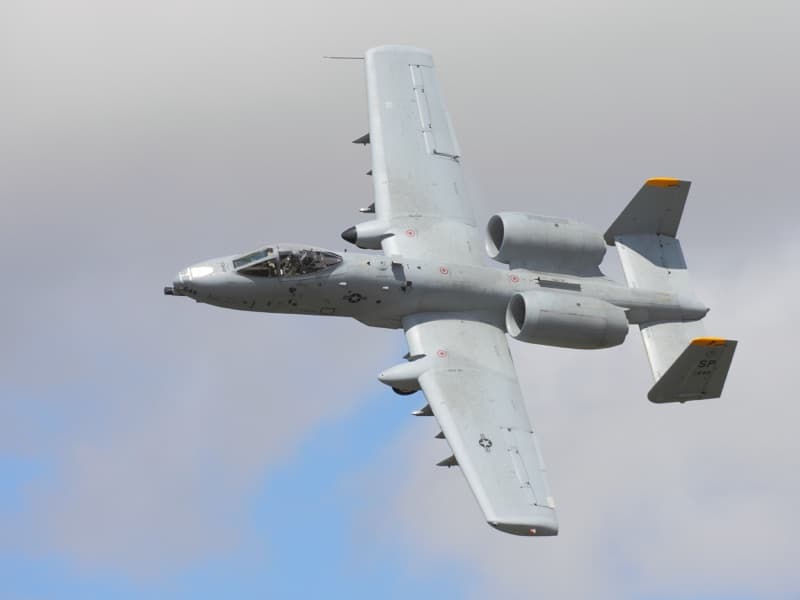
A-10A Thunderbolt II (BMS) Startup Checklist
FLIGHT2.17.1Checklist
A-10A Thunderbolt II (BMS)FALCON BMS · Startup Checklist · 169 steps · 19 phases
PHS 1 - Pre-Flight Planning8 steps
| 01 | Mission BriefREVIEWEDNOTE: Review CAS mission objectives, ROE, threat environment, JTAC contact info, and timeline. | |
| 02 | Weather BriefingREVIEWEDNOTE: Check departure, target area, and recovery weather. Low-level CAS ops demand good visibility and ceiling. | |
| 03 | NOTAMs / AirspaceREVIEWEDNOTE: Check restricted areas, active MOAs, kill boxes, and NOTAM restrictions. | |
| 04 | Fuel Planning - Bingo / JokerSETNOTE: Calculate bingo fuel (min to RTB) and joker fuel (leave target area). Low-altitude ops increase fuel burn significantly. | |
| 05 | Stores / LoadoutVERIFIEDNOTE: Confirm Maverick variants, bombs, rockets, gun ammo, and pods match mission requirements. | |
| 06 | Data Cartridge (DC) / SteerpointsLOADEDNOTE: Verify DC contains steerpoints, target coordinates, divert fields, radio presets, and IFF codes. | |
| 07 | Radio Frequencies / IFF CodesSETNOTE: Set UHF/VHF presets. Brief JTAC frequency. Confirm IFF Mode 1/2/3/4 codes and EMCON restrictions. | |
| 08 | Divert BasesIDENTIFIEDNOTE: Know nearest divert fields, runway lengths, and approach frequencies. |
PHS 2 - Electrical Power11 steps
| 01 | Battery SwitchONNOTE: Applies battery power to essential buses. Cockpit instruments partially illuminate. | |
| 02 | Inverter SwitchSTBYNOTE: Set to standby power during initial power-up. | |
| 03 | CanopyCLOSED & LATCHEDCAUTION: Ensure canopy is fully latched before proceeding with power-up. | |
| 04 | Anti-Collision LightON | |
| 05 | Navigation LightsAS REQUIRED | |
| 06 | Cockpit LightingSET AS NEEDEDNOTE: Adjust panel, instrument, and flood lighting for conditions. | |
| 07 | APU Start ButtonPRESS & HOLDNOTE: Hold until APU spools up. APU GEN FAIL light should extinguish within ~30 seconds. | |
| 08 | APU GeneratorON (STABLE)CAUTION: Wait for APU to stabilise before switching generator on. | |
| 09 | Left GeneratorPWR | |
| 10 | Right GeneratorPWR | |
| 11 | Inverter SwitchNORMNOTE: Switch to NORM once both generators are online. |
PHS 3 - Avionics Power-Up10 steps
| 01 | Avionics MasterONNOTE: Wait ~30 seconds for systems to initialise before proceeding. | |
| 02 | CICU (Central Interface Control Unit)ONNOTE: Must be powered before IFFCC. Controls communication between avionics. | |
| 03 | IFFCC (Integrated Flight and Fire Control Computer)ONNOTE: Initiates built-in self-test. Wait for test to complete. | |
| 04 | CDU (Control Display Unit)ONNOTE: Begins INS/EGI alignment. Alignment takes 4-8 minutes - initiate early. | |
| 05 | TACANT/R, CHANNEL SETNOTE: Set channel for departure airfield. | |
| 06 | CMSP (Countermeasures Set)ONNOTE: Powers chaff/flare dispenser and RWR. Verify RWR audio. | |
| 07 | Radar AltimeterON, SET 200 FTNOTE: Set low-altitude warning appropriate for departure. | |
| 08 | HSI / AltimeterSET QNHNOTE: Set barometric altimeter to current QNH. Verify field elevation within 75 ft. | |
| 09 | IFF Master SwitchNORMNOTE: Load Mode 4 codes as briefed. | |
| 10 | IFF Mode 4ON (CODE LOADED) |
PHS 4 - Before Engine Start9 steps
| 01 | Fuel Boost Pumps (Both Wings)ON | |
| 02 | Crossfeed ValveCLOSED | |
| 03 | Oxygen SystemON - CHECK FLOWNOTE: Verify oxygen pressure and flow indicator. | |
| 04 | Ejection Seat Safety PinsREMOVEDCAUTION: Confirm all seat and canopy initiation pins have been removed by crew chief. | |
| 05 | Seat Arm HandleARMEDWARNING: Ensure area above and around cockpit is clear before arming ejection seat. | |
| 06 | ThrottlesCUTOFFWARNING: Both throttles must be in CUTOFF before JFS activation to prevent hot start. | |
| 07 | Parking BrakeSET | |
| 08 | Wheel ChocksCONFIRMED WITH CREW CHIEF | |
| 09 | Fire Warning SystemTESTNOTE: Press test button - verify both LEFT ENGINE FIRE and RIGHT ENGINE FIRE lights illuminate. |
PHS 5 - Engine Start (JFS)14 steps
| 01 | JFS Switch (Engine 1)START 2NOTE: Jet Fuel Starter activates for right engine start. Listen for JFS spool-up sound. | |
| 02 | JFS RUN LightILLUMINATED (WITHIN 15 SEC)CAUTION: If JFS RUN light does not illuminate within 15 seconds, abort start. | |
| 03 | Right Engine RPMINCREASING TO ~20%NOTE: Monitor core RPM. Advance throttle to IDLE once RPM approaches 20%. | |
| 04 | Right ThrottleIDLECAUTION: Do not advance throttle below 20% RPM - hot start risk. Throttle must reach IDLE within 10 sec of light-off. | |
| 05 | Right Engine - Light-OffCONFIRMEDNOTE: TF34 should light off as throttle reaches IDLE. FTIT will spike then settle. | |
| 06 | Right Engine FTITBELOW 700 C DURING STARTWARNING: If FTIT exceeds 700 C during start, retard throttle to CUTOFF immediately - hot start. | |
| 07 | Right Engine RPM at Idle~62-65%NOTE: Allow right engine to fully stabilise at ground idle. | |
| 08 | JFS Switch (Engine 2)START 2NOTE: JFS reactivates for left engine start. Monitor same sequence. | |
| 09 | Left Engine RPMINCREASING TO ~20% | |
| 10 | Left ThrottleIDLECAUTION: Same hot start risk applies. Advance only after 20% RPM. | |
| 11 | Left Engine FTITBELOW 700 C DURING STARTWARNING: Abort start if FTIT exceeds 700 C - retard throttle to CUTOFF immediately. | |
| 12 | Left Engine RPM at Idle~62-65% | |
| 13 | JFS RUN LightEXTINGUISHED (AUTO)NOTE: JFS cuts out automatically once both engines are at idle. Verify light is out. | |
| 14 | APUSHUT DOWNNOTE: Shut down APU once both engines are running and generators are online. |
PHS 6 - Post-Start Checks11 steps
| 01 | Both GeneratorsON / ONLINE | |
| 02 | Engine Oil Pressure (Both)IN LIMITSWARNING: Shut down immediately if oil pressure does not rise within 10 seconds of start. | |
| 03 | Engine RPM (Both)STABLE ~62-65%NOTE: Verify both engines stabilised at ground idle. | |
| 04 | FTIT (Both Engines)STABLE, BELOW 560 C AT IDLE | |
| 05 | Hydraulic Pressure (Both Systems)2,850-3,150 PSICAUTION: Low hydraulic pressure indicates a system fault - do not taxi. | |
| 06 | Caution / Warning LightsALL CLEARNOTE: Address any remaining caution or warning lights before proceeding. | |
| 07 | Fuel QuantityCHECK - BOTH TANKSNOTE: Verify total fuel matches pre-flight plan. Set BINGO fuel on DSMS. | |
| 08 | Flight ControlsFREE & CORRECTNOTE: Full stick and rudder deflection check. Verify all control surfaces respond correctly. | |
| 09 | Flap LeverUP (VERIFY POSITION) | |
| 10 | Speed BrakeCLOSED | |
| 11 | Landing Gear LeverDOWN, 3 GREEN |
PHS 7 - INS / Navigation Alignment6 steps
| 01 | CDU Alignment StatusWAIT FOR ALIGNNOTE: Full INS alignment requires 4-8 minutes. Do not move aircraft during alignment. | |
| 02 | Data CartridgeLOADED VIA CDUNOTE: Verify steerpoints appear in CDU. Confirm steerpoint 1 coordinates match briefed target area. | |
| 03 | CDU SteerpointsVERIFY COORDINATESNOTE: Scroll through each steerpoint - confirm coordinates, altitudes, and names. | |
| 04 | CDU Alignment CompleteALIGN STATUS GOODNOTE: CDU displays alignment quality. Proceed when alignment is satisfactory. | |
| 05 | Altimeter (CDU vs Baro)CROSS-CHECKNOTE: Compare CDU GPS altitude with barometric altimeter. Should agree within 200 ft. | |
| 06 | Heading IndicatorSET ALIGNED WITH COMPASS |
PHS 8 - Weapons & Sensors7 steps
| 01 | Master ArmSAFENOTE: Confirm Master Arm is SAFE for ground operations. | |
| 02 | DSMS (Digital Stores Management System)VERIFY LOADOUTNOTE: Check DSMS display - confirm all stations match briefed weapons. | |
| 03 | Maverick PowerAS REQUIREDNOTE: If AGM-65 Mavericks are loaded, allow video seeker warm-up time. | |
| 04 | TGP / EO PodON - WARM UPNOTE: Targeting pod requires warm-up before IR or TV is usable. | |
| 05 | CMSP ModeMAN OR AUTO AS BRIEFEDNOTE: Set chaff and flare programs per threat environment briefing. | |
| 06 | EWS ProgramsVERIFY / SETNOTE: Confirm chaff/flare burst count and interval match threat type. | |
| 07 | Gun SystemVERIFY AMMO COUNTNOTE: Confirm GAU-8/A ammo count on HUD or DSMS display. |
PHS 9 - Before Taxi6 steps
| 01 | INS AlignmentCOMPLETE | |
| 02 | AltimeterSET QNH - FIELD ELEVATION CHECK | |
| 03 | LightsNAV ON, TAXI LIGHT ONNOTE: Anti-collision on. Taxi/landing light as required. | |
| 04 | Nosewheel SteeringENGAGED (NWS LIGHT ON)NOTE: Confirm NWS armed for taxi. Test steering before releasing parking brake. | |
| 05 | BrakesTESTCAUTION: Apply and release toe brakes - confirm response before releasing parking brake. | |
| 06 | Parking BrakeRELEASENOTE: Release when cleared to taxi by ATC or flight lead. |
PHS 10 - Taxi5 steps
| 01 | Taxi SpeedSLOW - WALKING PACENOTE: Keep speed to a walk on ramp. Increase slightly on straight taxiways. | |
| 02 | Brake CheckTEST ON ROLLOUTCAUTION: Test brakes immediately after starting to move to confirm normal function. | |
| 03 | Flight ControlsCROSSWIND INPUT CHECKNOTE: Apply into-wind aileron during taxi in crosswind conditions. | |
| 04 | LightsAS REQUIRED FOR CONDITIONS | |
| 05 | TransponderALT (Mode C ON) |
PHS 11 - Before Takeoff12 steps
| 01 | Parking BrakeSET (HOLDING SHORT) | |
| 02 | FlapsUP (0%)NOTE: A-10 normally takes off with flaps up. Use 7% (takeoff detent) for short field only. | |
| 03 | TrimSET FOR TAKEOFFNOTE: Pitch trim approximately 1 deg nose-up. Aileron and rudder trim zeroed. | |
| 04 | Master ArmSAFECAUTION: Confirm Master Arm SAFE before departure. Only arm on runway or as mission requires. | |
| 05 | CMSP / EWSARMED AS BRIEFED | |
| 06 | IFFMODE 4 ON, SQUAWK SET | |
| 07 | Radar AltimeterON - LOW ALT WARN SET | |
| 08 | Seat and HarnessTIGHT & LOCKED | |
| 09 | Engine Instruments (Both)IN LIMITSNOTE: Verify RPM, FTIT, oil pressure, and hydraulics before lining up. | |
| 10 | Fuel QuantityCHECK - BOTH SIDES EQUAL | |
| 11 | Nosewheel SteeringENGAGED | |
| 12 | Flight ControlsFULL SWEEP - FREE & CORRECT |
PHS 12 - Takeoff8 steps
| 01 | Parking BrakeRELEASE | |
| 02 | ThrottlesADVANCE TO MILNOTE: Advance throttles smoothly to MIL (Military) thrust. A-10 does not use afterburner. | |
| 03 | Engine ResponseCONFIRM BOTH ENGINES AT MILCAUTION: If one engine does not spool up equally, abort takeoff and diagnose. | |
| 04 | Airspeed AliveCHECK (~30 kts) | |
| 05 | Rotation Speed (Vr)~120 KIAS (CLEAN, LIGHT)NOTE: Rotate gently at Vr. Heavier loads increase Vr to 130-140 KIAS. | |
| 06 | RotatePOSITIVE RATENOTE: Lift nose to approximately 10 deg pitch attitude. Do not over-rotate. | |
| 07 | Landing GearUP (POSITIVE CLIMB CONFIRMED)NOTE: Raise gear after confirmed positive rate of climb. | |
| 08 | Gear Lights3 LIGHTS OUT (GEAR UP & LOCKED) |
PHS 13 - After Takeoff / Climb9 steps
| 01 | Landing GearUP - CONFIRMED | |
| 02 | FlapsUP (IF USED) | |
| 03 | ThrottlesAS REQUIRED FOR CLIMB | |
| 04 | Climb Speed250 KIAS BELOW 10,000 FTNOTE: Typically climb at 250-300 KIAS. Best rate of climb near 250 KIAS. | |
| 05 | AltimeterTRANSITION ALT - SET STD (29.92 / 1013)NOTE: Set standard pressure when crossing transition altitude. | |
| 06 | LightsANTI-COLLISION ON, TAXI LIGHT OFF | |
| 07 | Fuel CrossfeedCHECK BOTH TANKS FEEDING | |
| 08 | CMSP / EWSARMED - MODE AS BRIEFED | |
| 09 | TGP / EO PodOPERATIONALNOTE: Verify targeting pod IR or TV image is clear before entering target area. |
PHS 14 - Cruise / Transit7 steps
| 01 | Cruise Speed280-310 KIAS TYPICALNOTE: Optimal cruise for range. Higher speed increases fuel burn significantly. | |
| 02 | AltitudeAS PLANNED / ATC CLEARANCE | |
| 03 | Fuel QuantityMONITOR - BOTH TANKSNOTE: Check fuel every 10-15 minutes. Monitor for imbalance greater than 200 lbs. | |
| 04 | Joker / Bingo FuelMONITOR - BRIEF FLIGHT LEAD IF REACHING JOKER | |
| 05 | Weapons SystemsSAFE - UNTIL FENCE IN | |
| 06 | EWS / CMSPSTANDBYNOTE: Monitor RWR for threat indications during transit. | |
| 07 | Navigation (CDU Steerpoints)TRACKINGNOTE: Confirm CDU steering to next steerpoint is accurate. |
PHS 15 - Fence In (Entering Combat Area)7 steps
| 01 | Master ArmARMWARNING: Verify safe separation from friendly forces and aircraft before arming. | |
| 02 | DSMS Weapon SelectSELECTED AS BRIEFEDNOTE: Select correct weapon type and station for first attack. | |
| 03 | Maverick SeekerUNCAGE / SCANNINGNOTE: If AGM-65 loaded, uncage seeker and verify video. | |
| 04 | TGPSLAVED TO TARGET OR STEERPOINT | |
| 05 | CMSPAUTO OR MAN - AS BRIEFEDNOTE: AUTO mode releases countermeasures automatically on radar lock. | |
| 06 | AltimeterCHECK LOW-ALT WARNING SET | |
| 07 | Joker FuelCHECK - CONFIRM ABOVE JOKER |
PHS 16 - Descent / Approach10 steps
| 01 | Master ArmSAFE (POST-COMBAT)NOTE: Safe weapons when leaving the combat area. | |
| 02 | CMSP / EWSSTANDBY | |
| 03 | AltimeterQNH SET (BELOW TRANSITION LEVEL) | |
| 04 | Landing GearDOWN (BELOW 220 KIAS)NOTE: Extend gear below 220 KIAS maximum gear extension speed. | |
| 05 | Gear Down Lights3 GREEN | |
| 06 | FlapsAS REQUIREDNOTE: Normal approach: 20% flaps. Full flaps (100%) for short field. Max flap speed 185 KIAS. | |
| 07 | Approach Speed~155-165 KIAS (NORMAL WEIGHT)NOTE: On-speed approach at approximately 155-165 KIAS for typical combat landing weight. Heavier = faster. | |
| 08 | Speed BrakeAS REQUIREDNOTE: Speed brake can be deployed in flight to manage energy on approach. | |
| 09 | Fuel BalanceCHECK - BOTH TANKS | |
| 10 | IFFCODE VALID FOR RECOVERY |
PHS 17 - Landing8 steps
| 01 | Final Approach Speed~150-160 KIASNOTE: Adjust for weight. Cross threshold at approximately 1.3 Vs. | |
| 02 | Glidepath3 DEG GLIDESLOPENOTE: Fly ILS or visual approach. A-10 handles crosswinds well due to wide gear track. | |
| 03 | TouchdownMAIN GEAR FIRSTNOTE: Land on main gear. Avoid hard arrivals - gear struts and airframe are durable but not indestructible. | |
| 04 | NosewheelLOWER SMOOTHLY AFTER TOUCHDOWN | |
| 05 | ThrottlesIDLENOTE: Retard to idle at touchdown. | |
| 06 | Speed BrakeDEPLOY FULLNOTE: Deploy speed brake immediately after main gear touchdown. | |
| 07 | BrakesAPPLY AS REQUIREDCAUTION: Anti-skid is active. Smooth brake application prevents tire damage. Heavy braking from high speed risks brake overheat. | |
| 08 | Runway TurnoffEXIT AT SAFE SPEEDNOTE: Clear runway promptly. Notify ATC when clear. |
PHS 18 - After Landing8 steps
| 01 | Speed BrakeCLOSE | |
| 02 | FlapsUP | |
| 03 | LightsTAXI LIGHT ON, LANDING LIGHT OFF | |
| 04 | Master ArmSAFE - CONFIRM | |
| 05 | CMSP / EWSSAFE / OFF | |
| 06 | IFFSTBY OR OFF AS DIRECTED | |
| 07 | Brake TempMONITOR - ALLOW COOLING IF HOTCAUTION: After heavy braking, allow brakes to cool before setting parking brake - hot brakes can cause fire. | |
| 08 | Nosewheel SteeringENGAGED FOR TAXI |
PHS 19 - Shutdown13 steps
| 01 | Parking BrakeSET | |
| 02 | ThrottlesCUTOFF (BOTH)NOTE: Retard both throttles to CUTOFF simultaneously. | |
| 03 | Engine Spool DownMONITOR - BOTH ENGINESNOTE: Allow engines to fully spool down before shutting off electrical power. | |
| 04 | CMSP / EWSOFF | |
| 05 | AvionicsOFF | |
| 06 | Navigation / Taxi LightsOFF | |
| 07 | Anti-Collision LightOFF | |
| 08 | Fuel Boost PumpsOFF (BOTH) | |
| 09 | Generators (Both)OFF | |
| 10 | Battery SwitchOFFNOTE: Confirm all electrical power off. | |
| 11 | Ejection Seat Safety PinsINSTALLEDWARNING: Re-install seat and canopy initiation pins before exiting the aircraft. | |
| 12 | CanopyOPEN | |
| 13 | Post-Flight ReportCOMPLETENOTE: Log any squawks, fuel remaining, and weapons expenditures for debrief. |