Bell 407 Startup Checklist
Bell 407 Startup Notes
The 407's Rolls-Royce 250-C47B is FADEC controlled, which makes this one of the friendlier turbine helicopter starts. Battery on, FADEC in AUTO, throttle full closed, then press the start button and roll the throttle to the idle detent as NG rises. The FADEC schedules fuel through light-off and provides hot start protection, but you still watch MGT the whole way. Keep the starter engaged until NG is self-sustaining, then let everything stabilize at idle before rolling up to 100 percent.
The big mistake is treating this like a Bell 206 and modulating the throttle during light-off. In AUTO mode the throttle goes to the idle detent and stays there; rolling past idle mid-start is the classic error. Others include releasing the starter too early, which can hang the start, and skipping the battery voltage check so there is not enough cranking power. Roll to idle, hold the starter, watch MGT and NG, and resist the urge to help.
Common mistakes
- Rolling the throttle past the idle detent during start
- Releasing the starter before NG is self-sustaining
- Ignoring MGT during light-off despite FADEC protection
Related Aircraft
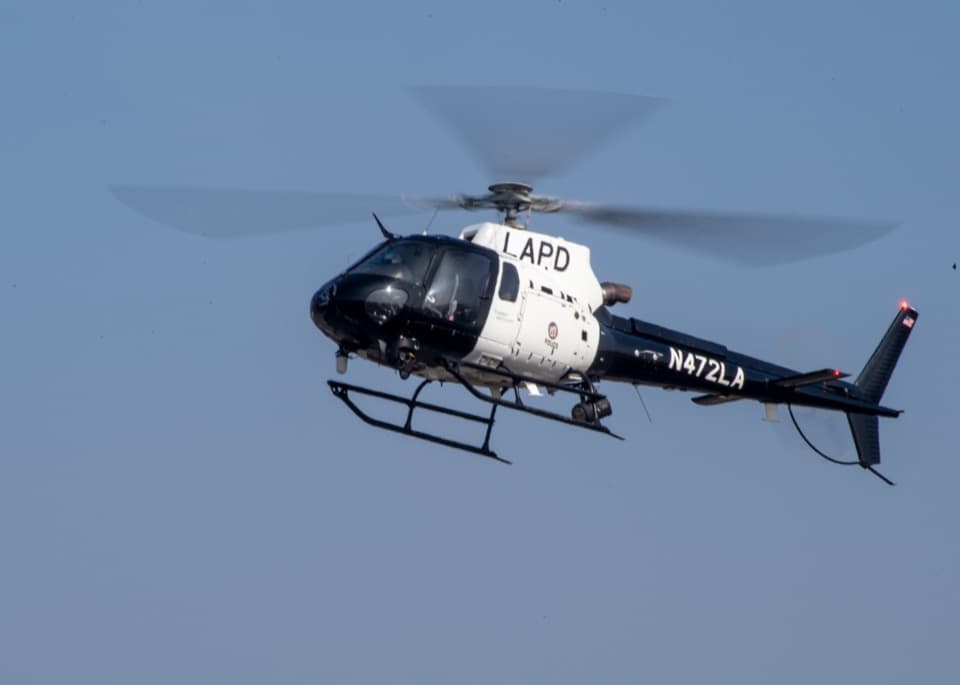
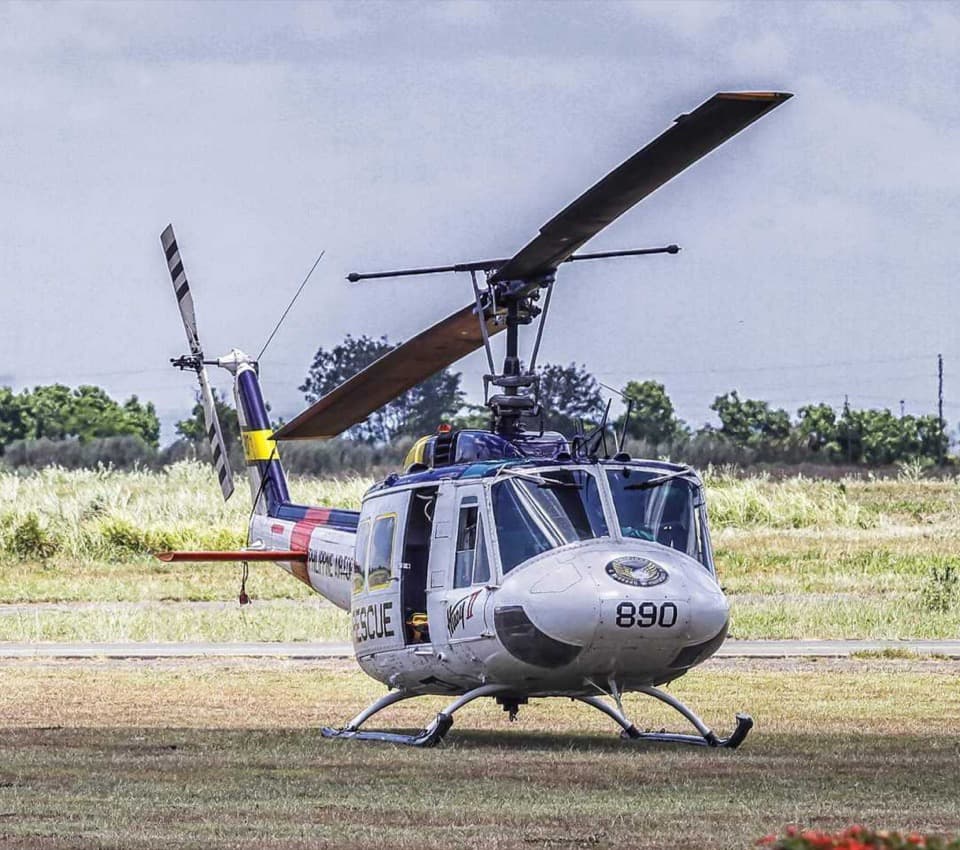
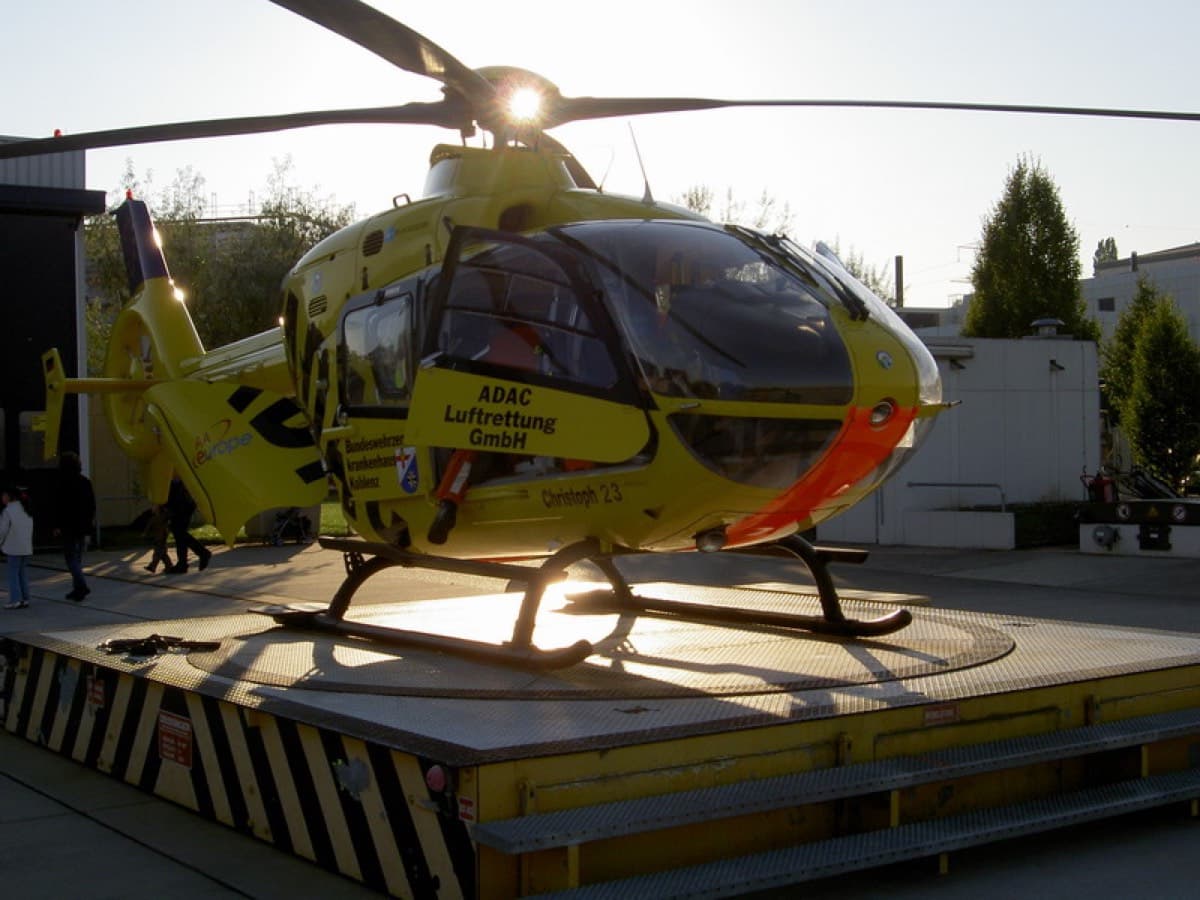
| 01 | Flight PlanningCOMPLETEDNOTE: RFM 2-3-A step 1. | |
| 02 | PublicationsCHECKEDNOTE: RFM 2-3-A step 2. Includes the flight manual and any applicable flight manual supplements for optional equipment. | |
| 03 | Weather BriefingREVIEWEDCAUTION: RFM 1-11: ENG ANTI ICE shall be ON in visible moisture when OAT is below 5 degC (40 degF). The helicopter is certified for day or night VFR in non-icing conditions only. | |
| 04 | Ambient TemperatureWITHIN LIMITSNOTE: RFM 1-11: maximum sea level ambient air temperature for operation is +51.7 degC (+125 degF), decreasing with pressure altitude at the standard lapse rate of 2 degC (3.6 degF) per 1000 feet to 20,000 feet. Minimum ambient temperature at all altitudes is -40 degC (-40 degF). | |
| 05 | Gross Weight and CGCOMPUTEDCAUTION: RFM 1-6-A: maximum approved internal gross weight for takeoff and landing is 5,000 pounds (2,268 kg). Maximum with a jettisonable external load is 6,000 pounds (2,722 kg). Minimum gross weight for flight is 2,650 pounds (1,202 kg).NOTE: RFM 2-3-A step 3. | |
| 06 | Cabin and Baggage LoadingWITHIN LIMITSNOTE: RFM 1-3-B: maximum cabin deck loading for cargo is 75 pounds per square foot. Maximum baggage compartment deck loading is 86 pounds per square foot with a maximum allowable weight of 250 pounds (113.4 kg). | |
| 07 | Helicopter ServicingCOMPLETEDNOTE: RFM 2-3-A step 4. | |
| 08 | BatteryCONNECTEDNOTE: RFM 2-3-A step 5. | |
| 09 | Performance PlanningCHECKEDCAUTION: RFM 1-8: maximum operating altitude is 20,000 feet density altitude or 20,000 feet pressure altitude, whichever is lower. RFM 1-9-B: maximum rate of climb is 2,000 feet per minute.NOTE: Refer to RFM Section 4 for performance charts. | |
| 10 | Height-Velocity DiagramREVIEWEDNOTE: Refer to RFM Section 4, Height-Velocity diagram. RFM 2-8 step 5 directs adjusting power and airspeed as desired once clear of the H-V diagram shaded areas. | |
| 11 | Landing Zone SurveyREVIEWEDCAUTION: RFM 1-9-C: slope landings are limited to 10 degree side slopes, 10 degree nose up slope and 5 degree nose down slope. | |
| 12 | Radio FrequenciesSET |
| 01 | Main Rotor Blade TiedownsREMOVEDWARNING: RFM 2-3-B-1: failure to remove rotor tiedowns before engine starting may result in severe damage and possible injury. | |
| 02 | Static Ports (Both Sides)CHECK CONDITION | |
| 03 | Cabin Doors, Hinge Bolts and WindowsCHECK - Condition and security | |
| 04 | Landing GearCHECK CONDITIONNOTE: Ground handling wheels removed. | |
| 05 | Engine InletCHECK - Inlet covers removed | |
| 06 | Transmission Oil LevelCHECKNOTE: RFM 2-3-B-2 step 4: verify actual presence of oil in the sight gauge. | |
| 07 | Fuel Filler CapCHECK - Fuel level and cap secured | |
| 08 | Fuel SumpDRAIN SAMPLECAUTION: If the helicopter is not parked on a level surface the fuel sump may not properly drain contaminants.NOTE: RIGHT and LEFT FUEL BOOST/XFR circuit breaker switches OFF, BATT switch ON, FUEL VALVE switch OFF, then press the FWD and AFT FUEL SUMP drain buttons. | |
| 09 | Airframe Fuel FilterDRAIN AND CHECKNOTE: Before the first flight of the day. FUEL BOOST/XFR switches ON, FUEL VALVE switch ON, open the drain valve, drain a sample and close. | |
| 10 | Fuel Filter Test SwitchPRESS AND CHECKNOTE: Check the FUEL FILTER caution light illuminates, then release and check it extinguishes. Afterwards set FUEL VALVE switch OFF, FUEL BOOST/XFR switches OFF and BATT switch OFF. | |
| 11 | Powerplant AreaCHECKNOTE: Main driveshaft aft flexure, engine and mounts, throttle linkage, engine fuel pump, hydromechanical unit, hoses and tubing, oil cooler blower inlet duct and screen. | |
| 12 | Engine Cowl and Generator Cooling ScoopSECURED AND CLEAR OF DEBRIS | |
| 13 | Oil TankCHECK - Leaks, security, cap secured | |
| 14 | Tailboom and Tail Rotor Driveshaft CoverCHECK - Condition and security | |
| 15 | Horizontal Stabilizer and Vertical FinCHECK - Condition and security | |
| 16 | Tail Rotor GearboxCHECK - Oil level, leaks and security | |
| 17 | Tail RotorCHECK - Tiedown removed, condition and free movementNOTE: Check blades for general condition, tip block security and seal integrity, and internal blade root clear of snow and ice. Check the tail rotor yoke for evidence of static stop contact damage. | |
| 18 | Oil Cooler and BlowerCHECK - Clear of obstructions, condition and leaks | |
| 19 | Oil Tank Sight GlassCHECK OIL LEVEL | |
| 20 | Baggage CompartmentCARGO TIED DOWN - Door secured | |
| 21 | Exhaust CoverREMOVED | |
| 22 | Rotor Brake Disc and Caliper (If Installed)CHECKNOTE: Condition, security of attachment and leakage. Ensure brake pads are retracted from the brake disc. | |
| 23 | Cabin Roof - Main Rotor Hub and ControlsCHECKNOTE: Main rotor dampers and fairing, hub, yoke and frahm, blades and skin, pitch horn bearing, pitch links, swashplate assembly and control linkages. | |
| 24 | Hydraulic ReservoirCHECK FLUID LEVELNOTE: Filler cap closed and locked, system filter bypass indicator retracted, actuators and lines checked for condition, security, interference and leakage. | |
| 25 | WindshieldCHECK - Condition and cleanliness | |
| 26 | Battery and Vent LinesCHECK - Condition and securityNOTE: HOUR METER circuit breaker IN, battery access door secured. | |
| 27 | Pitot TubeCOVER REMOVED - Clear of obstructions | |
| 28 | Landing Light Lamps and AntennasCHECK CONDITION |
| 01 | Cabin InteriorCLEAN - Equipment secured | |
| 02 | Fire ExtinguisherINSTALLED AND SECURED | |
| 03 | Cabin LoadingCG WITHIN LIMITS | |
| 04 | Seat BeltsSECUREDNOTE: Passenger seat belts secured; copilot seat belt secured if flying solo. | |
| 05 | DoorsSECUREDCAUTION: RFM 1-7: VNE is 100 KIAS with any door removed, not to exceed placarded VNE. With the litter door removed, the left passenger door shall also be removed. | |
| 06 | ThrottleCLOSED | |
| 07 | LDG LTS SwitchOFF | |
| 08 | Communications SwitchesSET | |
| 09 | AltimeterSET | |
| 10 | InstrumentsCORRECT INDICATIONS | |
| 11 | BATT and GEN SwitchesOFF | |
| 12 | PART SEP Switch (If Installed)OFF | |
| 13 | ANTI COLL LT SwitchANTI COLL LT (ON) | |
| 14 | HYD SYS SwitchHYD SYS (ON) | |
| 15 | CABIN LT/PASS SwitchOFF | |
| 16 | POS LT SwitchAS DESIRED | |
| 17 | DEFOG and PITOT HEATER SwitchesOFF | |
| 18 | ENG ANTI ICE SwitchOFF | |
| 19 | AVIONICS MASTER SwitchOFF | |
| 20 | HEATER Switch (If Installed)OFF | |
| 21 | INSTR LT RheostatOFF | |
| 22 | Overhead Circuit Breaker SwitchesOFF | |
| 23 | Overhead Circuit BreakersIN | |
| 24 | Rotor Brake Handle (If Installed)UP AND LATCHEDWARNING: RFM 1-18: engine starts with the rotor brake engaged are prohibited. | |
| 25 | GPUCONNECTED (IF USED)CAUTION: RFM 2-4: a 28 VDC GPU shall be 500 amperes or less to reduce the risk of starter damage from overheating. | |
| 26 | BATT SwitchON FOR BATTERY OR GPU STARTNOTE: OFF for a battery cart start. Observe the low rotor audio horn activate. For 8 seconds the LCD trend arcs indicate full scale, TORQUE and NG digits display 8188.8, MGT and FUEL digits display 81888, and NR and NP needles move to 107 and 100 percent respectively. After 3 seconds the ENG OUT, FADEC DEGRADE, FADEC FAULT, RESTART FAULT and ENGINE OVSPD lights illuminate with the engine out audio. | |
| 27 | HORN MUTE ButtonPRESS TO MUTE | |
| 28 | Caution LightsCHECKNOTE: ENG OUT, XMSN OIL PRESS, RPM, HYDRAULIC SYSTEM, GEN FAIL, L/FUEL BOOST, R/FUEL BOOST, L/FUEL XFR and R/FUEL XFR will be illuminated. L/FUEL XFR and R/FUEL XFR will not be illuminated when the forward fuel tank is empty. | |
| 29 | PEDAL STOP PTT SwitchCHECKNOTE: Pedals centered. Press and verify the PEDAL STOP caution and ENGAGED annunciator illuminate and left pedal travel is restricted. Release and verify both extinguish and pedal travel is unrestricted. | |
| 30 | Flight ControlsCHECKNOTE: Loosen frictions, check travel and verify CYCLIC CENTERING light operation. Position for start and tighten friction as desired. | |
| 31 | ThrottleCHECK FREEDOM OF TRAVELNOTE: Check appropriate operation at OFF, I (idle), FLY and MAX positions. Return the throttle to the OFF position. | |
| 32 | INSTR LT Rheostat and CAUT LT SwitchAS DESIRED | |
| 33 | FUEL BOOST/XFR Circuit Breaker SwitchesLEFT AND RIGHT (ON)NOTE: Verify all boost and transfer caution lights extinguish. | |
| 34 | Fuel PressureCHECKNOTE: RFM 1-13-E: minimum 8 PSI, continuous operation 8 to 25 PSI, maximum 25 PSI. | |
| 35 | CAUTION LT TEST ButtonPRESS TO TEST | |
| 36 | INSTR CHK ButtonPRESS - Check for exceedances | |
| 37 | LCD TEST and FADEC HORN TEST ButtonsPRESS TO TEST | |
| 38 | FADEC MODE SwitchAUTO | |
| 39 | FUEL VALVE SwitchON - Guard closedNOTE: The FUEL VALVE light illuminates then extinguishes. | |
| 40 | FUEL QTYCHECK TOTAL AND FWD TANK | |
| 41 | OAT/VOLTS DisplayCHECK OAT - Select VOLTSCAUTION: RFM 2-4: any attempt to start the engine when voltage is below 24 volts may result in a hot start. Monitor for FADEC failure. If the FADEC fails, abort the start by rolling the throttle to cutoff and engage the starter to reduce MGT. |
| 01 | CollectiveFULL DOWN | |
| 02 | Cyclic and PedalsCENTEREDNOTE: CYCLIC CENTERING light extinguished. | |
| 03 | Residual MGTCHECKNOTE: RFM 2-5: it is recommended that MGT be below 150 degC when below 10,000 feet HP, or below 65 degC when above 10,000 feet HP, prior to attempting a start. If not, carry out a dry motoring run: throttle closed, START switch held engaged for 15 seconds then released, and follow the engine start procedure once 0 percent NG is indicated. | |
| 04 | ThrottleIDLE POSITIONNOTE: If the throttle is positioned in idle for more than 60 seconds, starter latching is disabled and the throttle must be repositioned to cutoff and then back to idle to re-enable it for another 60 seconds. | |
| 05 | START SwitchMOMENTARILY PRESSCAUTION: RFM 1-12-B: for a battery start the starter duty cycle is 60 seconds ON and 60 seconds OFF for three cycles, then 30 minutes OFF. For an external power start it is 40 seconds ON and 30 seconds OFF for three cycles, then 30 minutes OFF.NOTE: Hold for approximately 1 second and observe the START and AUTO RELIGHT lights are illuminated. | |
| 06 | MGTMONITORWARNING: RFM 1-13-C: maximum starting MGT is 927 degC. Do not exceed 10 seconds above 826 degC (gauge P/N 407-375-001-101/-103) or above 843 degC (gauge P/N 407-375-001-105 and subsequent), or 1 second at 927 degC.CAUTION: Two MGT gauge part numbers are approved and their transient bands differ. Confirm which gauge is installed before applying a limit: the -101/-103 gauge allows 780 to 826 degC for 12 seconds, the -105 and subsequent gauge allows 780 to 905 degC for 12 seconds. | |
| 07 | Main RotorCHECK ROTATING BY 25 PERCENT NGWARNING: RFM 2-5: if the main rotor is not rotating by 25 percent NG, abort the start by rolling the throttle to cutoff. Ensure the starter has disengaged when MGT decreases below 150 degC. | |
| 08 | START LightEXTINGUISHED AT 50 PERCENT NGNOTE: The starter has disengaged. | |
| 09 | AUTO RELIGHT LightEXTINGUISHED AT 60 PERCENT NG | |
| 10 | ENG and XMSN Oil PressuresCHECKCAUTION: During cold temperature operations, normal transmission and engine oil pressure limits may be exceeded during start. Stabilize the engine at idle until minimum temperature and pressure limits are attained.NOTE: RFM 1-13-F: engine oil pressure minimum is 50 PSI below 79 percent NG, 90 PSI from 79 to 94 percent NG and 115 PSI above 94 percent NG. Maximum is 130 PSI, or 200 PSI for cold starts only. When 130 PSI is exceeded during start, operate the engine at idle until oil pressure drops below 130 PSI. RFM 1-14-A: transmission oil pressure minimum is 30 PSI, continuous 40 to 70 PSI, maximum 70 PSI. | |
| 11 | Idle63 PLUS OR MINUS 1 PERCENT NGCAUTION: RFM 2-5: if the engine has been shut down for more than 15 minutes, stabilize at idle for 1 minute before increasing the throttle. | |
| 12 | BATT SwitchON (IF APPLICABLE) | |
| 13 | GPUDISCONNECT - Close door (if applicable) | |
| 14 | GEN SwitchGEN (ON)NOTE: Observe the GEN FAIL light extinguishes. Turn the generator OFF if the ammeter indication drops to zero amps after an initial full scale indication; one reset is allowed. | |
| 15 | Voltmeter28.5 PLUS OR MINUS 0.5 VOLTS | |
| 16 | FLIGHT INSTR Circuit Breaker Switches (If Installed)DG, ATT AND TURN (ON)NOTE: If dual controls are installed, guard the throttle to prevent inadvertent manipulation from the copilot position. |
| 01 | HYD SYS SwitchOFFCAUTION: Uncommanded control movement or motoring with the hydraulic system off may indicate a hydraulic system malfunction.NOTE: Preliminary hydraulic systems check, RFM 2-6-A. | |
| 02 | HYDRAULIC SYSTEM Caution LightILLUMINATED | |
| 03 | HYD SYS SwitchHYD SYS (ON)NOTE: HYDRAULIC SYSTEM caution light extinguished. | |
| 04 | FADEC Manual Check - ThrottleIDLE (63 PERCENT NG)WARNING: RFM 2-6-B: auto to manual mode transitions with NR/NP at 100 percent flat pitch can result in rapid NR/NP acceleration in approximately 7 seconds. To avoid a possible overspeed, perform this check at idle. | |
| 05 | FADEC MODE SwitchMANNOTE: FADEC MANUAL and AUTO RELIGHT lights illuminated. Check NG stabilized at 75 percent or less. | |
| 06 | ThrottleINCREASE SLOWLY THEN RETURN TO IDLENOTE: Ensure the engine responds. | |
| 07 | FADEC MODE SwitchAUTONOTE: FADEC MANUAL and AUTO RELIGHT lights extinguished. | |
| 08 | ThrottleINCREASE SMOOTHLY TO FLY DETENTNOTE: Engine runup, RFM 2-6-C. Check the RPM warning light extinguishes at 95 percent NR. | |
| 09 | NR and NP NeedlesMATCHED AND INDICATING 100 PERCENTNOTE: RFM 1-15-A: rotor RPM power on is 99 to 100 percent continuous, 100 percent maximum continuous. In MANUAL mode NR should be maintained between 95 and 100 percent. | |
| 10 | AVIONICS MASTER SwitchAVIONICS MASTER (ON) | |
| 11 | ELT (If Installed)CHECK FOR INADVERTENT TRANSMISSION | |
| 12 | Flight ControlsCHECK FREEDOM WITH MINIMUM FRICTION | |
| 13 | ENG ANTI ICE SwitchON THEN OFFCAUTION: If temperature is below 5 degC (40 degF) and visible moisture is present, ENG ANTI ICE shall be on.NOTE: Check for MGT increase and illumination of the ENGINE ANTI-ICE light, then OFF and check MGT returns to normal and the light extinguishes. Set ENG ANTI ICE ON again if required. | |
| 14 | PART SEP Switch (If Installed)AS REQUIRED | |
| 15 | Hydraulic Systems Check - CollectiveFULL DOWNNOTE: RFM 2-6-D. This check determines proper operation of the hydraulic actuators for each flight control system. | |
| 16 | NR100 PERCENT RPM | |
| 17 | HYD SYS SwitchOFFNOTE: HYDRAULIC SYSTEM caution light illuminated. Cyclic centered. | |
| 18 | CyclicCHECK NORMAL OPERATIONCAUTION: If abnormal forces, unequal forces, control binding or motoring are encountered, it may indicate a malfunctioning flight control actuator.NOTE: Move the cyclic forward and aft, then left and right, approximately 1 inch. Center the cyclic. | |
| 19 | CollectiveCHECK NORMAL OPERATIONNOTE: Increase collective slightly, 1 to 2 inches, and repeat two to three times as required. Return to the full down position. | |
| 20 | PedalsCHECK NORMAL OPERATIONNOTE: Displace pedals slightly, approximately 1 inch. | |
| 21 | HYD SYS SwitchHYD SYS (ON)NOTE: HYDRAULIC SYSTEM caution light extinguished. | |
| 22 | Cyclic and Collective FrictionSET AS DESIRED |
| 01 | ENG ANTI ICE SwitchAS REQUIRED | |
| 02 | Light SwitchesAS REQUIRED | |
| 03 | INSTR LT RheostatAS DESIREDNOTE: For night flight it is recommended to point the map light at the flight instruments and set it to a low intensity, so that sufficient night lighting is available in the event of an instrument lighting failure. | |
| 04 | RadiosCHECK AS REQUIRED | |
| 05 | Flight ControlsPOSITION AND ADJUST FRICTIONS FOR TAKEOFF | |
| 06 | ThrottleOPEN TO FLY DETENT - Check 99 to 100 percent NR/NPCAUTION: RFM 2-7: failure to position and maintain the throttle in the FLY detent position prior to takeoff and during normal flight operations can limit available engine power. | |
| 07 | Engine, Transmission and Electrical InstrumentsWITHIN LIMITSNOTE: RFM 1-13-D: engine torque continuous is 0 to 93.5 percent, takeoff (5 minutes) 93.5 to 100 percent, transient (5 seconds) 105 percent. RFM 1-13-C: MGT continuous 100 to 727 degC, takeoff (5 minutes) 727 to 779 degC. | |
| 08 | Flight and Navigation InstrumentsCHECK | |
| 09 | FUEL QTYNOTE INDICATIONNOTE: Press the FUEL QTY FWD TANK button and note fuel remaining in the forward cell. |
| 01 | Rear Facing Seat HeadrestsADJUSTED TO PROPER POSITION | |
| 02 | CollectiveINCREASE TO HOVERNOTE: During takeoffs, disregard the CYCLIC CENTERING light and position the cyclic as required. | |
| 03 | Directional ControlAS REQUIRED TO MAINTAIN HEADING | |
| 04 | CyclicAPPLY AS REQUIRED TO ACCELERATE SMOOTHLY | |
| 05 | CollectiveINCREASE UP TO 5 PERCENT TORQUE ABOVE HOVER POWERCAUTION: RFM 1-13-D: use of takeoff power (93.5 to 100 percent torque) is limited to 5 minutes and to 100 KIAS, not to exceed placarded VNE.NOTE: To obtain the desired rate of climb and airspeed. Once clear of the H-V diagram shaded areas, adjust power and airspeed as desired. | |
| 06 | PEDAL STOP PTT SwitchCHECK ENGAGED ANNUNCIATOR ILLUMINATEDNOTE: Above 55 plus or minus 5 KIAS. |
| 01 | AirspeedAS DESIRED - Not to exceed VNE at flight altitudeWARNING: RFM 1-7: basic VNE is 140 KIAS from sea level to 3,000 feet HD. Decrease VNE for ambient conditions in accordance with the airspeed limitations placards. VNE is 100 KIAS for steady state autorotation, with any door removed, and at takeoff power.CAUTION: RFM 2-9: at high power and high airspeed, cyclic-only accelerations and maneuvering may significantly increase MGT and torque with no collective input. This increase is more rapid at lower OAT. | |
| 02 | PEDAL STOP PTT SwitchCHECK ENGAGED ANNUNCIATOR ILLUMINATEDCAUTION: The pilot shall keep feet on the tail rotor pedals at all times. Do not press the PEDAL STOP PTT switch in flight.NOTE: Above 55 plus or minus 5 KIAS. | |
| 03 | ENG ANTI ICE and PITOT HEATER SwitchesON IN VISIBLE MOISTURENOTE: When ambient temperature is at or below 5 degC (40 degF). When ENG ANTI ICE is on, MGT will increase, so monitor MGT when selecting it at high power settings. | |
| 04 | PITOT HEATERCONFIRM OPERATIONNOTE: Increase in ammeter load. | |
| 05 | AltimeterWITHIN LIMITSNOTE: RFM 1-8: maximum operating altitude is 20,000 feet HD or 20,000 feet HP, whichever is lower. | |
| 06 | FUEL QTY FWD TANK ButtonPRESS - Note forward fuel tank indicationNOTE: Full forward fuel tank quantity, approximately 256 pounds, will be indicated at approximately 770 pounds or greater total fuel. Fuel transfer will be complete at approximately 185 pounds total fuel. | |
| 07 | Sideward and Rearward FlightWITHIN LIMITSCAUTION: RFM 1-7: maximum allowable airspeed for sideward and rearward flight, or crosswind hover, is 35 KTAS. |
| 01 | Rear Facing Seat HeadrestsADJUSTED TO PROPER POSITION | |
| 02 | Flight ControlsADJUST FRICTION AS DESIRED | |
| 03 | ThrottleFLY DETENT POSITION - Check 99 to 100 percent NPCAUTION: RFM 2-10: large reductions in collective pitch at heavy gross weight may permit NR to increase independent of NP (needles split). The main rotor may be reengaged with a smooth increase in collective pitch. | |
| 04 | Flight PathAS REQUIRED FOR TYPE OF APPROACH | |
| 05 | ENG ANTI ICEAS REQUIRED | |
| 06 | LDG LTS SwitchAS DESIRED | |
| 07 | PEDAL STOP PTT SwitchCHECK ENGAGED ANNUNCIATOR EXTINGUISHEDNOTE: Below 50 plus or minus 5 KIAS. | |
| 08 | Cyclic After LandingREPOSITIONNOTE: During run-on or slope landings, disregard the CYCLIC CENTERING light and position the cyclic as required. After the landing is completed and the collective is full down, reposition the cyclic so that the CYCLIC CENTERING light is extinguished. | |
| 09 | Engine Oil TemperatureMONITORCAUTION: RFM 1-13-G: if hovering with a tailwind greater than 10 knots at OAT above 37.8 degC (100 degF), closely monitor engine oil temperature. Oil temperature may be reduced by turning into wind, reducing power, or transitioning to forward flight. Maximum is 107 degC. |
| 01 | CollectiveFULL DOWN | |
| 02 | Cyclic and PedalsCENTEREDNOTE: CYCLIC CENTERING light extinguished. | |
| 03 | Cyclic FrictionINCREASENOTE: So that the cyclic maintains a centered position. | |
| 04 | LDG LTS SwitchOFF | |
| 05 | ThrottleREDUCE TO IDLE STOPNOTE: Check the RPM warning light illuminated and audio on at 95 percent NR. If dual controls are installed, guard the throttle to prevent inadvertent manipulation from the copilot position. | |
| 06 | HORN MUTE ButtonPRESS TO MUTE | |
| 07 | MGTSTABILIZE AT IDLE FOR 2 MINUTES | |
| 08 | ENG ANTI ICE SwitchOFF | |
| 09 | FLIGHT INSTR Circuit Breaker Switches (If Installed)OFF | |
| 10 | FUEL BOOST/XFR LEFT Circuit Breaker SwitchOFFCAUTION: The left fuel boost and transfer pumps continue to operate until either the LEFT FUEL BOOST/XFR circuit breaker switch or the FUEL VALVE switch is OFF. These pumps operate directly from the battery and are not deactivated by the BATT switch. Battery power will be depleted if both switches remain on. | |
| 11 | ELT (If Installed)CHECK FOR INADVERTENT TRANSMISSION | |
| 12 | AVIONICS MASTER SwitchOFF | |
| 13 | GEN SwitchOFF | |
| 14 | OVSPD TEST ButtonIF REQUIRED - Press, hold 1 second, releaseNOTE: The overspeed shutdown test should be accomplished on the first engine shutdown of the day. The ENGINE OVSPD light will momentarily illuminate in addition to the lights that illuminate during a normal shutdown. | |
| 15 | IDLE REL SwitchPRESS AND HOLD | |
| 16 | ThrottleCLOSEDCAUTION: RFM 2-11: positioning the throttle out of cutoff during NG spool down may cause a post engine shutdown fire.NOTE: Check MGT and NG decreasing, ENGINE OUT warning light illuminated and audio on at 55 plus or minus 1 percent. | |
| 17 | HORN MUTE ButtonPRESS TO MUTE | |
| 18 | Rotor Brake (If Installed)APPLY AT OR BELOW 40 PERCENT NRWARNING: RFM 1-18: rotor brake application is limited to ground operation after the engine has been shut down and NR has decreased to 40 percent or lower. Avoid rapid engagement of the rotor brake if the helicopter is on ice or another slippery or loose surface, to prevent rotation of the helicopter.NOTE: Return the rotor brake handle to the stowed position just prior to the main rotor stopping. | |
| 19 | FUEL VALVE SwitchOFF | |
| 20 | PilotREMAIN ON FLIGHT CONTROLSWARNING: RFM 2-11: do not increase collective or apply left tail rotor pedal to slow the rotor during coast down. Remain on the flight controls until the rotor has come to a complete stop. | |
| 21 | All Overhead Switches Except HYD SYSOFF | |
| 22 | BATT SwitchOFF WITH NG AT 0 PERCENTNOTE: Ensure engine rotation has completely stopped prior to positioning the BATT switch to OFF. |
| 01 | FADEC LightsCHECKCAUTION: RFM 2-11: applicable maintenance action must be performed prior to further flight if a FADEC light has illuminated during the previous flight or on engine shutdown. | |
| 02 | Securing ConditionsASSESSNOTE: RFM 2-12: perform the securing steps if thunderstorms are in the local area or forecast, winds in excess of 35 knots or a gust spread of 15 knots exists or is forecast, the helicopter is parked within 150 feet of hovering or taxiing aircraft in excess of the basic gross weight of the helicopter, or the helicopter is to be left unattended. | |
| 03 | Main Rotor Blade TiedownsINSTALL | |
| 04 | Tail RotorSECURE LOOSELY TO TAILBOOMNOTE: Use a tiedown strap to prevent excessive flapping. | |
| 05 | Exhaust Cover, Engine Inlet Plugs and Pitot CoverINSTALL | |
| 06 | Torque Events and LandingsRECORDNOTE: RFM 1-1: torque events shall be recorded. A torque event is a takeoff or lift, internal or external load. Landings shall be recorded, and run-on landings recorded separately. Any exceedance of an operating limitation requires a logbook entry stating which limit was exceeded, the duration and the extreme value attained. |